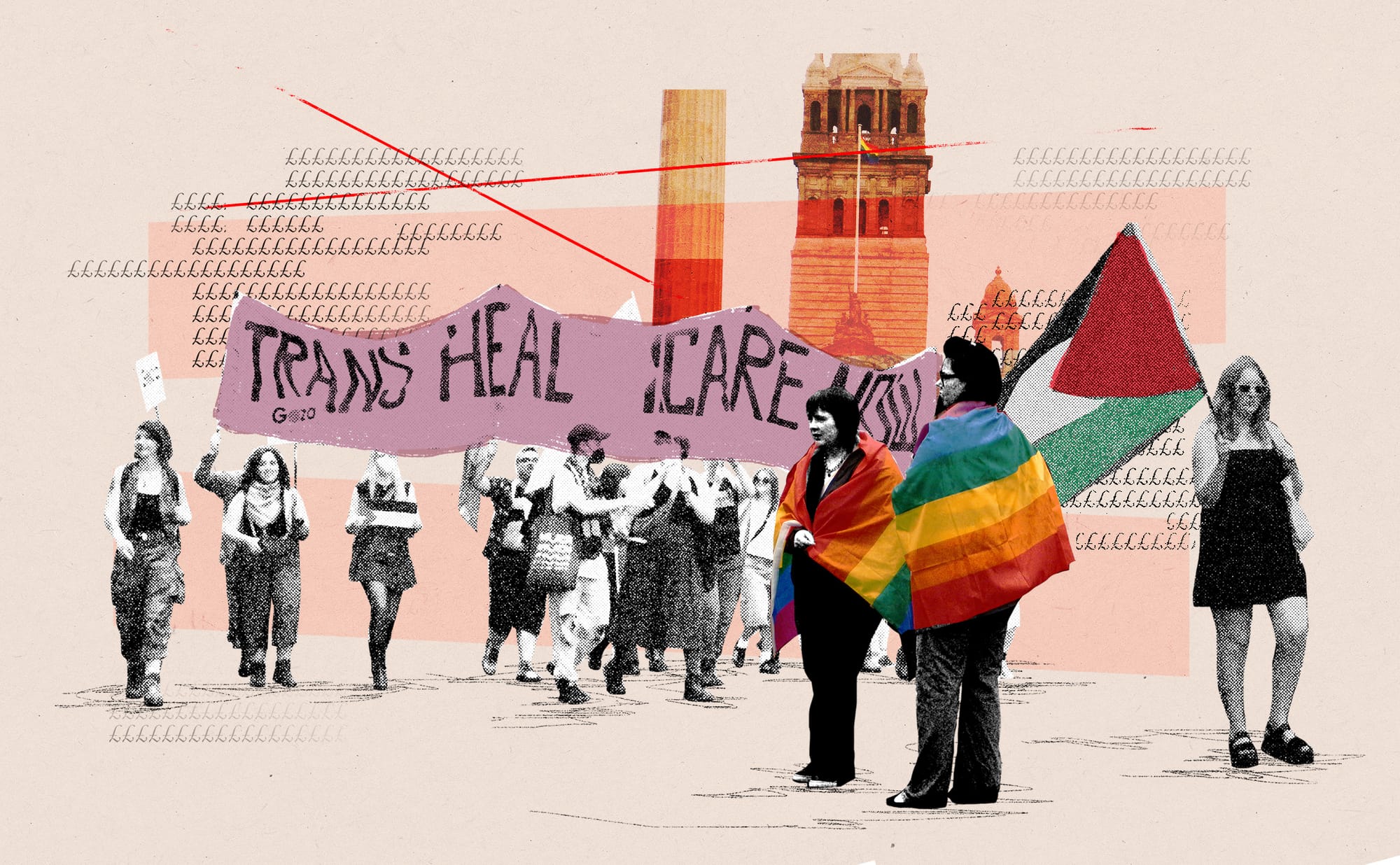
The sun is hot, water is wet and Glasgow Pride is being boycotted this year. For the last several years the city’s annual celebration of all things LGBTQ+ has not been the point of unity it’s intended as. Instead Pride seems an occasion under siege. For the fifth year in a row, an external campaign is encouraging would-be attendees to boycott the event, due to its commercial relationships.
This is by no means Glasgow Pride’s first messy situation. Since 2019, who organises Scotland’s biggest LGBTQ+ event, and how, has been a matter of serious contention. Back then, the charity responsible for staging Pride lost its monopoly on the event, racking up debts to the council of over £40,000, which, to this day, has not been repaid.
What followed was a power struggle that hasn’t really ended, in one way or another. The rainbow might represent everyone, but it’s looking like an increasingly difficult task for the city’s Pride celebrations. There’s been legal threats, rival Pride events and boycotts. Why is an event that’s supposed to bring people together becoming so fractured? And how did throwing Pride in Glasgow become so difficult?
The Pride wars
The Pride wars began in earnest in 2019, immediately following what should have been Pride Glasgow’s biggest triumph. Twelve thousand people had turned out for the July march in 2018. That part went swimmingly. It was when attendees reached Kelvingrove Park, for a planned ticketed music festival, things got a bit Fyre Fest. The line for entry didn’t seem to be moving.
Ticket holders waited for up to three hours in lines before organisers announced the park was “at capacity,” thanks to confusion over last minute ticket sales on the door. The snafu might not have had the most drastic of consequences (revellers departed for clubs instead), but there were a lot of angry people. The result was more scrutiny for Pride Glasgow, the charity that had organised the event since 2012, including calls for its CEO to step down.
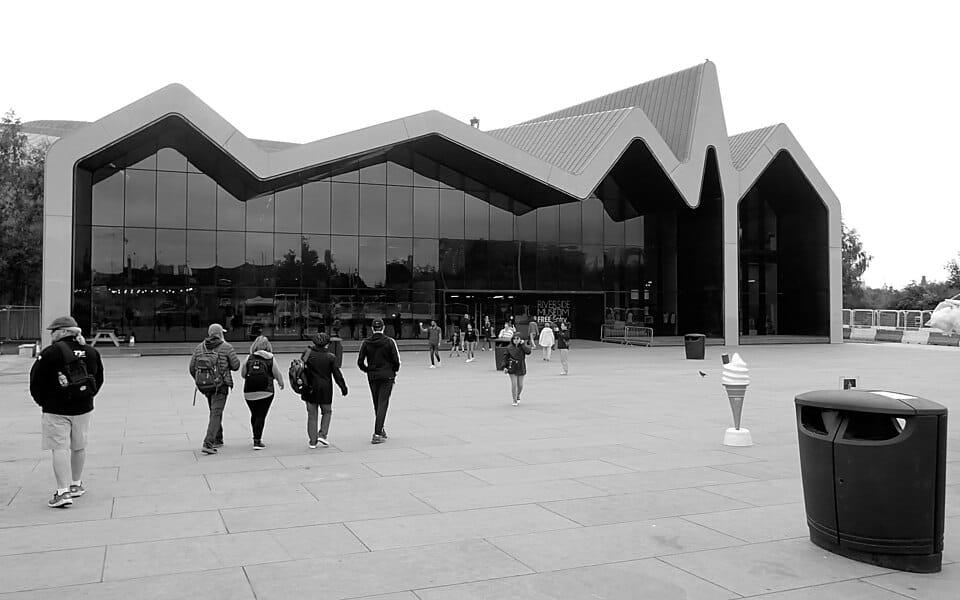
Their wish was granted, sort of. First, permission to host Pride at the Riverside Museum in August 2019 was withdrawn by Glasgow City Council, who said Pride Glasgow owed them £41,858.90 from the previous two years. The use of the building had been dependent on Pride Glasgow paying the venue hire upfront; after the charity missed the deadline, the council pulled the plug.
A repayment plan was set up in 2019, but the council confirmed to The Bell the balance still hasn’t been paid.
Meanwhile, the trustees behind Pride Glasgow said it wasn’t their fault. They had been appointed at the end of 2018, and alleged the former trustees had left Pride Glasgow with big debts. Certainly, the accounts for the financial year ending September 2018 reported an operating loss of £52,233.
More worryingly, the new trustees had made two reports of financial irregularities to two separate police forces: Scotland and Greater Manchester. A spokesperson for Pride Glasgow said the reports regarded “the financial conduct of an ex-employee” who they said had served as treasurer for the organisation for over a decade. Interestingly, bar a couple of initial articles, the story about Glasgow Pride’s missing money seemed to go cold. We’ve reached out to Greater Manchester Police and Police Scotland for an update.
In the meantime, Pride Glasgow insisted — despite losing the council’s backing — that their event would go ahead, with a planned march and “fringe events” in non-council owned venues across the city. But a new challenger had entered the picture: Mardi-Gla.
This story is free to read. You just need to sign up to join The Bell's mailing list. And why wouldn't you? You'll get our journalism in your inbox the second we publish, keeping up-to-date on this and all our stories. No card details required.
Already have an account? Sign In