The inter-war office block on Bothwell Street doesn’t initially seem like a place where the impossible becomes reality. But for the past year, this building has become a nerve centre, housing nearly 400 people trying to pull off an event that many in Glasgow think will crash and burn in spectacular fashion. It’s another two weeks before the first athletes competing in the 2026 Commonwealth Games alight in the city. But on Bothwell Street, where every accreditation pass, hotel room, transport route, television camera, medal ceremony and race schedule is being arranged from, the Games have already begun.
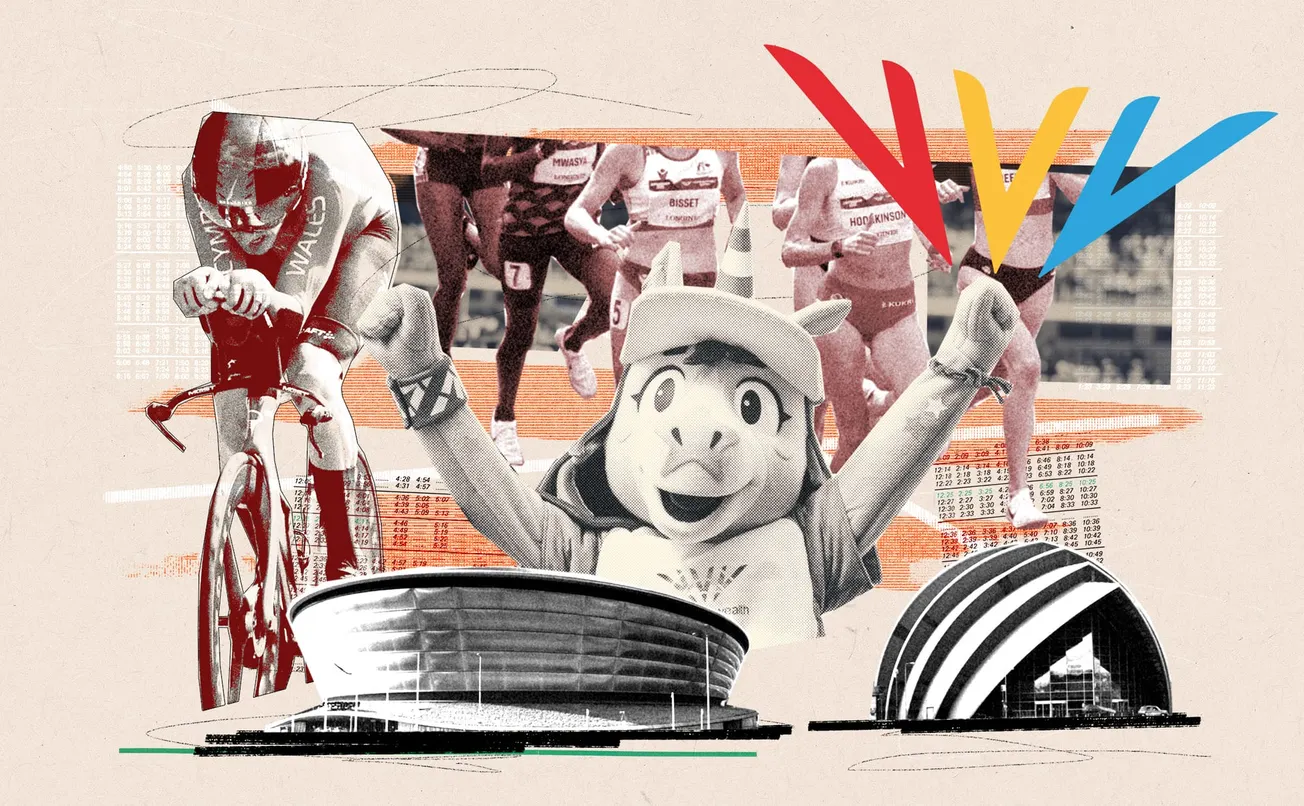
Inside the foyer, Bobby Laing greets me with a cheery smile and a handshake before I’m bundled into a lift. It whisks us up to the fifth floor, one of three the Glasgow 2026 team currently occupies and I’m confronted with the whirling complex choreography of people and plans in perpetual motion. Staff weave seamlessly between meeting rooms and designated desks, clutching accreditation passes and passing venue maps around. I hear a woman laugh that she’s already on her second coffee of the day, and both have gone cold before she found a moment to drink them. Every available corner has become somebody’s workspace. The floor is divided into neat islands — transport, accommodation, sport, broadcast, technology, athletes — all categorised by sporting discipline. It’s clear from the constant conversational volley of instructions and updates that each tiny piece of this operation only works if every other tiny piece is in the correct place.
By the time the Games commences on 23 July, with an opening ceremony at the Hydro, over 3000 athletes, plus around 1500 coaches, officials, physios and other staffers, will have arrived from across the Commonwealth in delegation teams. To chronicle their triumphs and defeats, more than 800 accredited media workers are also flocking to Glasgow, along with roughly 500,000 spectators who will fill four arenas across an eight-mile corridor in the city.
In an extraordinary move, for the first time ever, the games were designed to be delivered without any funding from the local authority, aka Glasgow city council (GCC). The decision was prompted by the Scottish Government, with then-health secretary Neil Gray presenting acceptable hosting terms to the Commonwealth Games Confederation in 2024. “We have been clear that our [GCC’s] financial resources are limited,” Gray noted, outlining a no-spend “scaled-down” version of the games.
As for Glaswegians, the general consensus seems to be: no one cares. “The games are essentially being held here because no one else wanted them,” one user comments on a recent reddit thread inundated with negative comments. “I can't even pretend to care about the commonwealth games” comments another.
The future of the Games themselves is in question and somehow Glasgow has ended up in an odd position. The city doesn’t want the games, but it also has to make them a success, or its status as an events champion and a place that belongs in the pantheon of the UK’s most attractive cities is pulled into question.
“Everyone [is] looking to us,” says Bobby Laing frankly. “If we cras[h] and bur[n], the Commonwealth Games [is] done”.
Reinventing the Games
This Commonwealth Games almost didn’t happen.
In July 2023, the Australian state of Victoria withdrew as host after projected costs increased from an estimated $2bn to more than $6bn. The decision plunged the future of the Commonwealth Games into uncertainty, with fears that the event wasn’t going to survive if no replacement host emerged.
The Scottish chapter of the Commonwealth Games Federation put Glasgow forward as a host, with the approval of the Scottish Government and the city council — but only if no public cash was spent on the event. The Federation agreed. After all, they had little choice. So Glasgow is now the testing ground for a new-look Games, that might either doom it or save it for years to come: no public spending, no new arenas, no Athletes’ Village. There are less events and a budget to match: £150m. Time devoted to game prep is the most notable change: Glasgow’s had just 18 months to get ready, compared to the usual six years a city is given. Can the Games — and their hosts — thrive under such pressure?
The task is massive and the strain shows. Laing and I wait for Jade Gallagher, the chief operating officer of Glasgow 2026 in her office, plastered with diagrams, maps, schedules and meticulous notes. She’s 15 minutes late for our interview, and rushes in offering apologies. Back-to-back interviews have delayed her; plus sleepless nights from worrying about the impending games and her responsibility for its daily operational success, have begun catching up. While Laing came on board in the last six months, Gallagher joined the team early doors, when the Games were reallocated to Glasgow. She’s very experienced, having delivered massive events in the city since 2010. Still, the expectations and limitations of the Games are respectively staggering.
Where does one start when planning a massive sporting event, with (comparatively) no money and less than two years to get it all together?
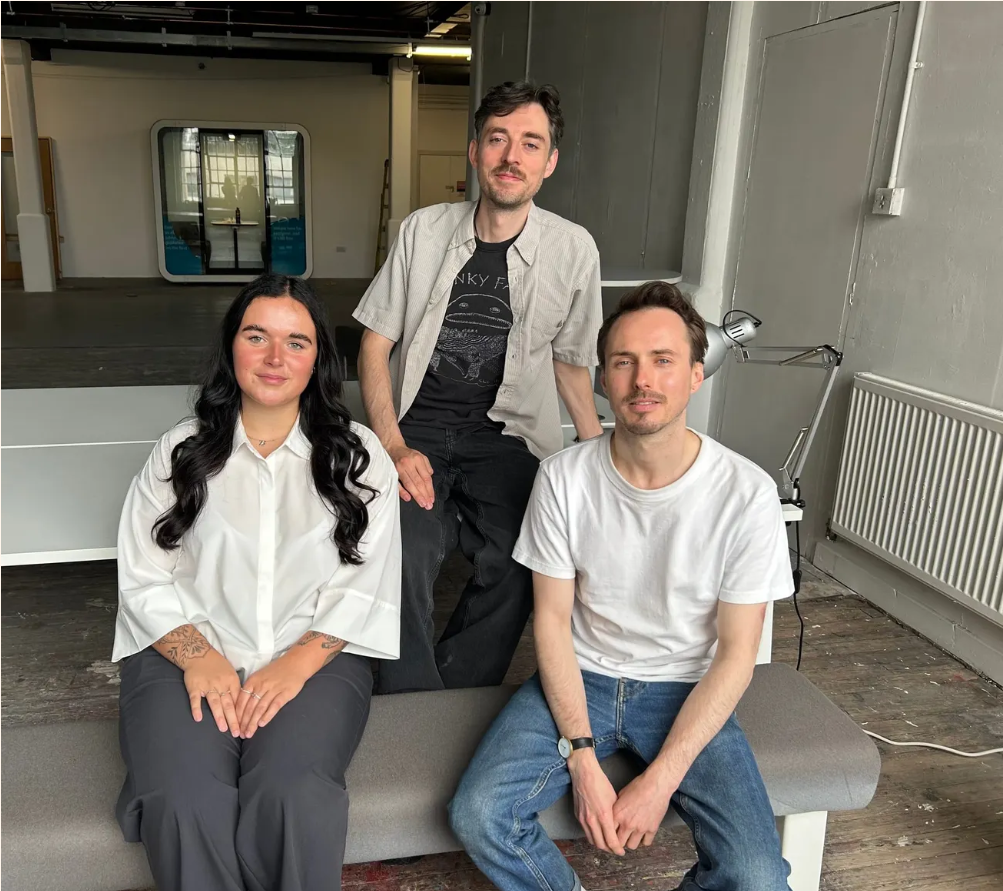
Hi, we’re Beth, Calum and Robbie, and we run The Bell. Every story we publish is chosen because we think it matters to the people who live here. This week's Commonwealth Games story is one of them.
The Games don't just appear, dazzle for a fortnight and disappear again. They take years of planning. Who decides the order of events? How do organisers keep a city moving while hosting thousands of athletes, officials and spectators? And where does all of that planning actually happen?
Our latest story takes you behind the scenes of one of the biggest events Scotland has ever hosted, revealing the people, places and decisions that made it possible.
Become a member today to read the full story and to support independent local journalism that asks the questions others don't and tells the stories that matter to Glasgow.
Glasgow deserves great journalism. You can help make it happen.
You’re halfway there, the rest of the story is behind this paywall. Join the Bell for full access to local news that matters, just £8.99 a month or annual deals with two months free.
SubscribeAlready have an account? Sign In