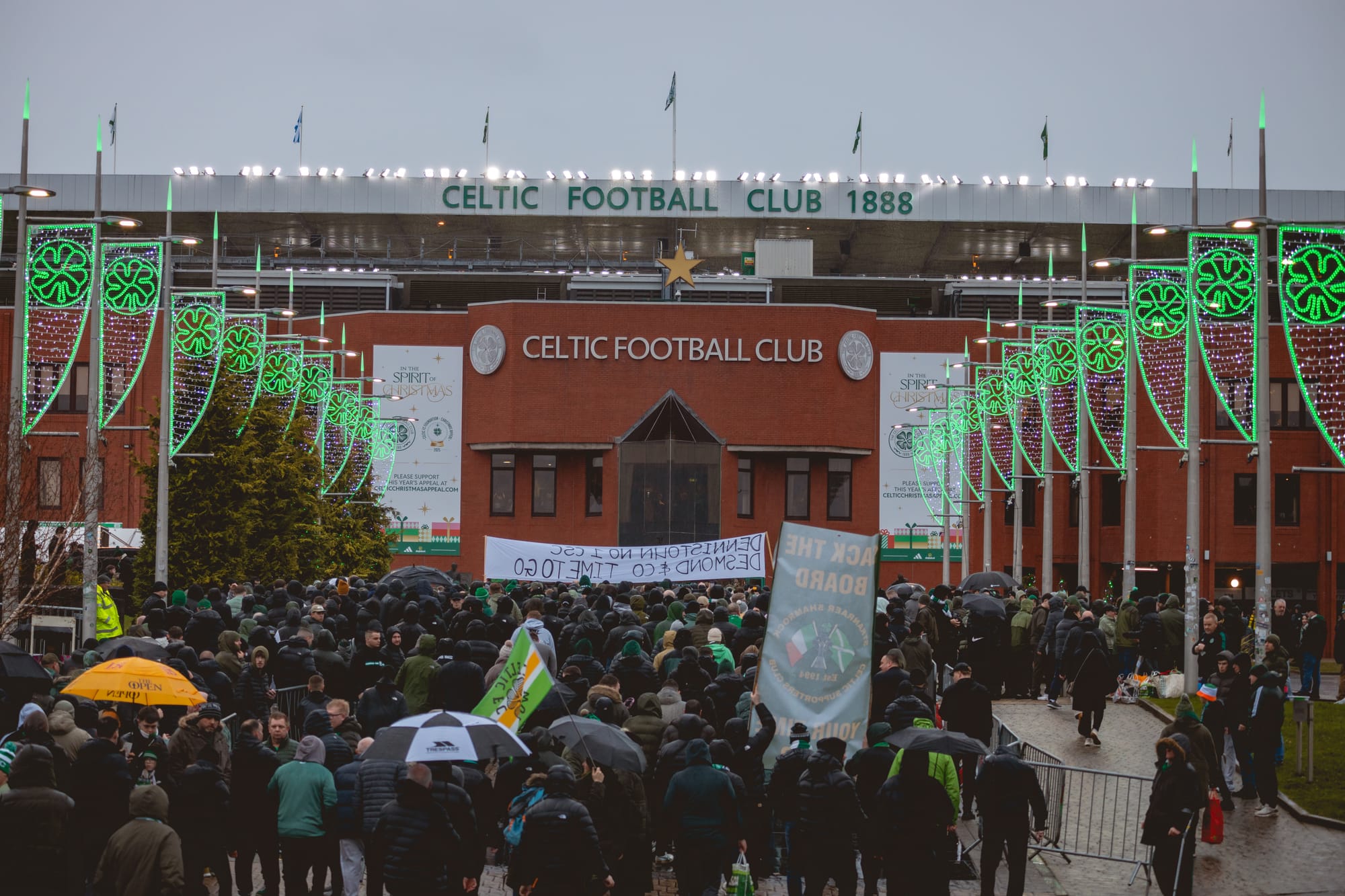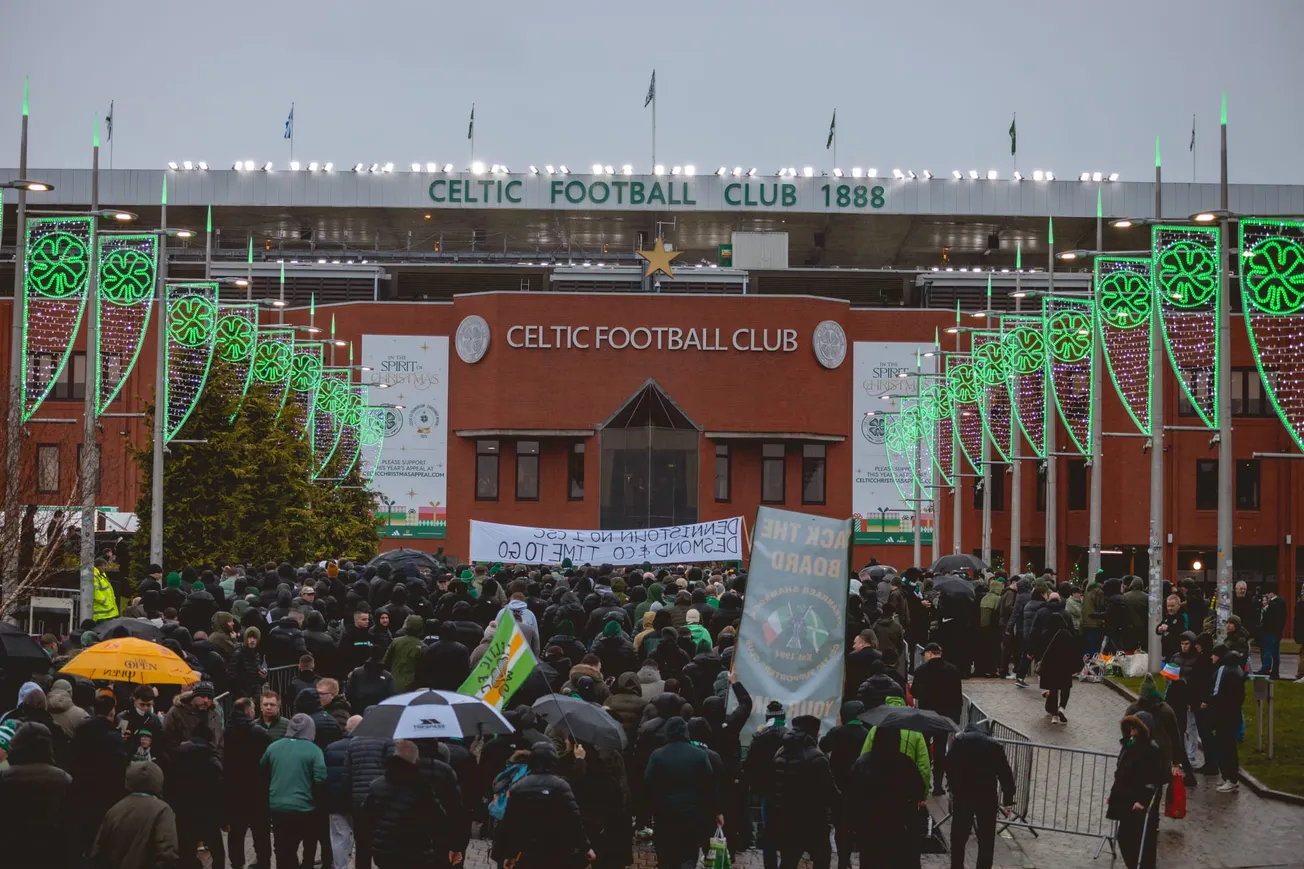
There is something noticeably different about Celtic Park as Celtic take on St Mirren in a Scottish Premiership match. The energy in the stadium has changed but it has nothing to do with any uptick in performance. For the first time in 164 days, or 32 matches, the seats at the front of section 111 are not empty and covered in green plastic that acts as a mourning shroud.
Instead, it’s a sea of noise and colour. “Take me to your Paradise, I want to see the jungle” rings around the 3000-strong standing section as the rest of the ground responds in kind. “Come on you Bhoys in Green” is chanted from one end of the stadium to the other. It’s a kind of collective choreography that’s been missing here in recent months.
After five months, the Green Brigade, Celtic’s ultras group, are back and determined to make sure everyone — especially the players in green and white on the pitch in front of them — knows about it.
The Green Brigade’s long absence is the result of an extended ban, first handed down in October 2025. That decision, and their eventual return, is part of a tumultuous season on and off the park in the East End of Glasgow. The ultras are the most vociferous of the fans and are renowned as much for their political statements as their backing of the team.
But they’re not alone in their war with Celtic’s board. Since September last year, over 350 supporters clubs across Scotland, Ireland and the global fanbase have come together under the banner of the Celtic Fans Collective, calling for fundamental change in how the club is run. Such a breadth of uniformity in demanding a huge shake-up at the top is unprecedented since the Celts for Change movement in the early 1990s.
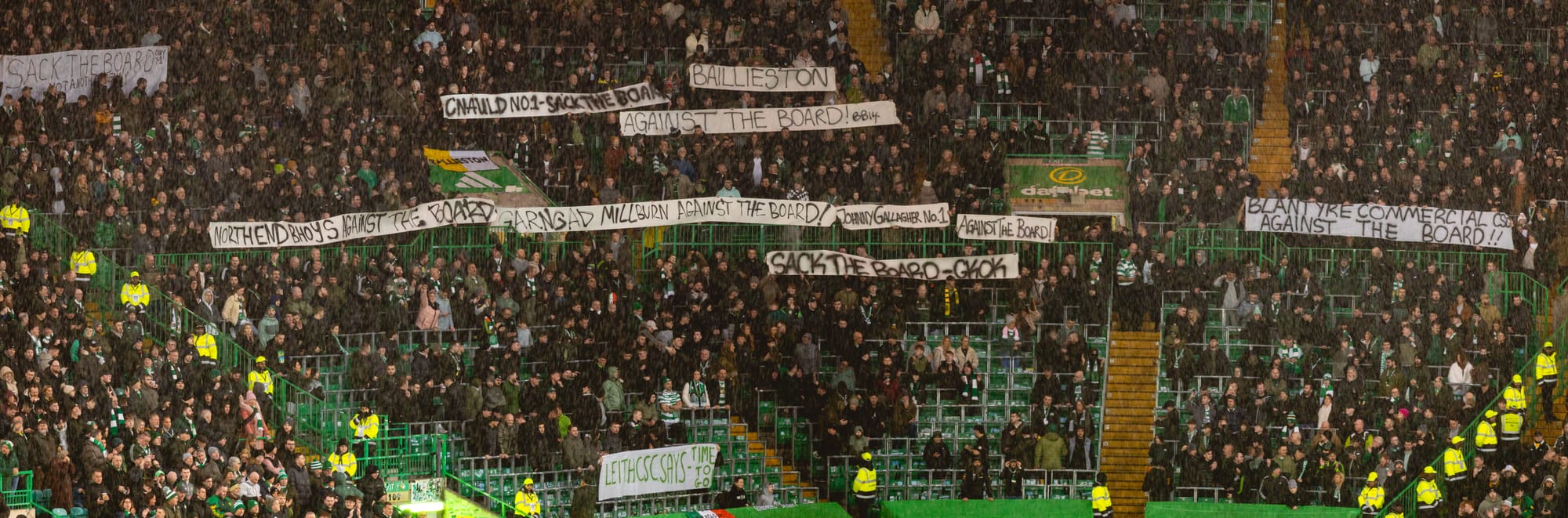
Fans are frustrated by everything from performances on the pitch to the way Celtic is run off it. A deeper ideological schism also bubbles beneath the surface; an impression that Celtic’s board, notoriously conservative in both financial attitude and nature, are not representative of a fanbase whose identity is ostensibly working-class and left-wing in outlook.
When the team is winning and the club appears stable, such tensions can remain in the background. This season, as Celtic stumbles from one bad performance to the next, they have come sharply into view and discord has escalated. At a game earlier in the season a “stand up if you hate the board” chant led to almost the full stadium on their feet. A chief antagonist has also emerged: Dermot Desmond, Celtic’s largest individual shareholder.
There is no question that, under the current board, Celtic have enjoyed a period of domestic dominance. Yet with the club posting some of the strongest profits in European football, critics argue the club is stockpiling cash rather than investing it. Many supporters now fear the model that has brought success is stalling and are pushing for change before their wavering dominance collapses altogether. Can they force it?
The Irish billionaire
On the 6am train from London Euston to Glasgow for a game against Motherwell I chat to John, Conor and Dan. Despite the early start, the trio are in high spirits, full of patter and energy. They might live in London but their dedication to Celtic means they travel up to Glasgow every month to watch the Bhoys.
All are members of the East London Emerald, a supporters club formed in 2024 out of Molly Blooms, a Dalston pub popular with Celtic fans in the English capital. Used to watching Celtic on top, this season is the result of “years of mismanagement", opines John, a note of frustration in his voice as he cracks open the first can of the journey. The club are out of European competition, chasing Hearts and Rangers in the league, and lost the League Cup final to St Mirren. While results are unusually poor by Celtic’s standards, John says the slump “has been in the post”.
“Other clubs are investing in modern structures, data and recruitment,” he notes. “We are still relying on connections. It feels like who you know matters more than how the club is actually run.” It is a familiar charge among supporters, who point to a boardroom network they argue too often draws from the same narrow circles, frequently linked back to St Aloysius’, Glasgow’s only private Catholic school.
The Celtic board’s guiding principle seems to be stability, a kind of institutional caution shaped by the memory of bitter rivals Rangers’ liquidation in 2012. That instinct runs from the balance sheet to the boardroom, where continuity is striking: several non-executive directors have served for decades, despite governance norms typically recommending terms of six to nine years to preserve independence and fresh oversight.
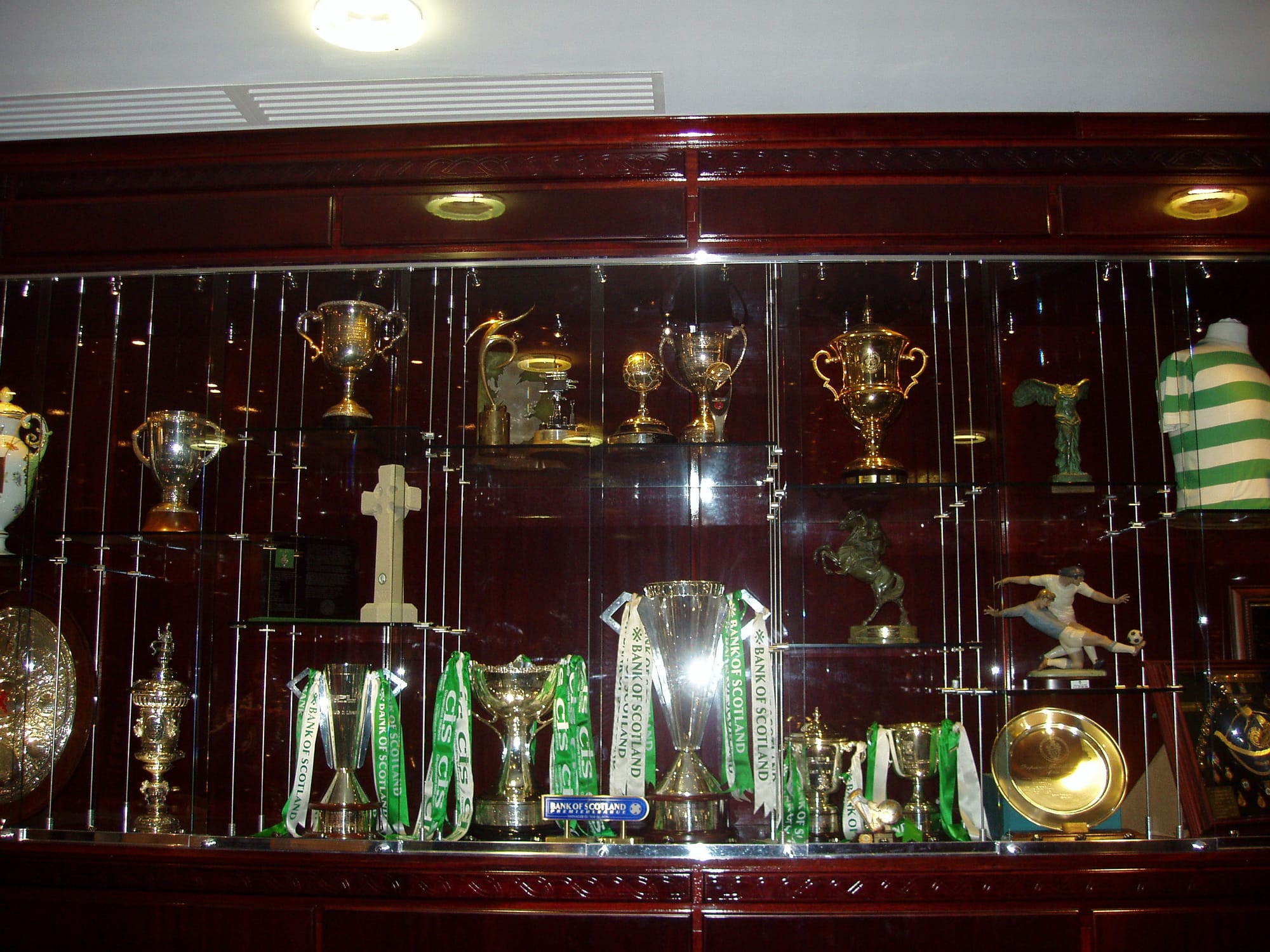
Conor sees it in similar terms. “The signs have been there for a long time. They have just been hidden by winning leagues and selling players well. Now there is a real challenge and people say fans are overreacting, but this has been coming for years. The board should have seen that too.”
For Dan, who speaks with a passion that the Celtic team seem to have lacked this season, the issue is more fundamental. “It comes back to how supporters are treated. Even if you are not part of the Green Brigade, what they stand for means something to a lot of people. That goes against my values, and I think it goes against a big chunk of the support.”
The discussion jumps from recruitment to the matchday experience, then to the treatment of supporters and what Celtic’s ultras represent more broadly. The chat’s pinball nature sums up Celtic this season, and not just the team’s erratic style of play. It has become difficult to isolate a single issue or point of failure. In an act of protest, the trio have all taken part in the Not Another Penny Campaign, which has urged fans not to buy club merchandise or food and drink.
“I’ve got two kids — usually they’re kitted out in Celtic gear. I haven’t bought anything this season” says John, with a sigh.
When prompted, fans I speak to pinpoint the disastrous summer transfer window as the moment long-running frustrations exploded. This was followed by a series of events that brought Celtic’s largest shareholder, the normally elusive Irish billionaire, Dermot Desmond, into direct conflict with supporters.
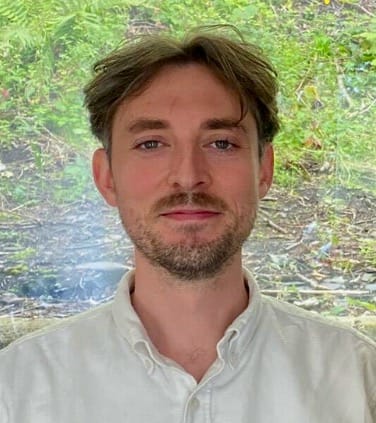
Hi, I'm Calum and I help run The Bell. We were delighted to commission Liam O'Hare to write his first piece for us. Commissioning brilliant freelancers like Liam, who's been writing about Celtic for years, is how we bring you special insights.
To find out just how deep the Celtic fan beef goes, and whether the protests will work, you'll need to become a paid subscriber to The Bell. It's how we can afford such pros as Liam. Plus, you'll get access to all our high quality local journalism. From our investigation into the ownership of the shop that burned down Union Corner, to revealing the West End influencer with ties to the former Shah of Iran's son, and why he's hanging toy rats outside a southside mosque.
Sign up to read on, and support quality local journalism in Glasgow.
Glasgow deserves great journalism. You can help make it happen.
You’re halfway there, the rest of the story is behind this paywall. Join the Bell for full access to local news that matters, just £8.99 a month or annual deals with two months free.
SubscribeAlready have an account? Sign In