Bakeries conquered; into the breach once more
Safe to say our bakery guide was as popular as it was polarising; arguments over the best cinnamon bun in the city continue below the finished article, which may have broken The Bell record for most reader comments. We love to read ’em!
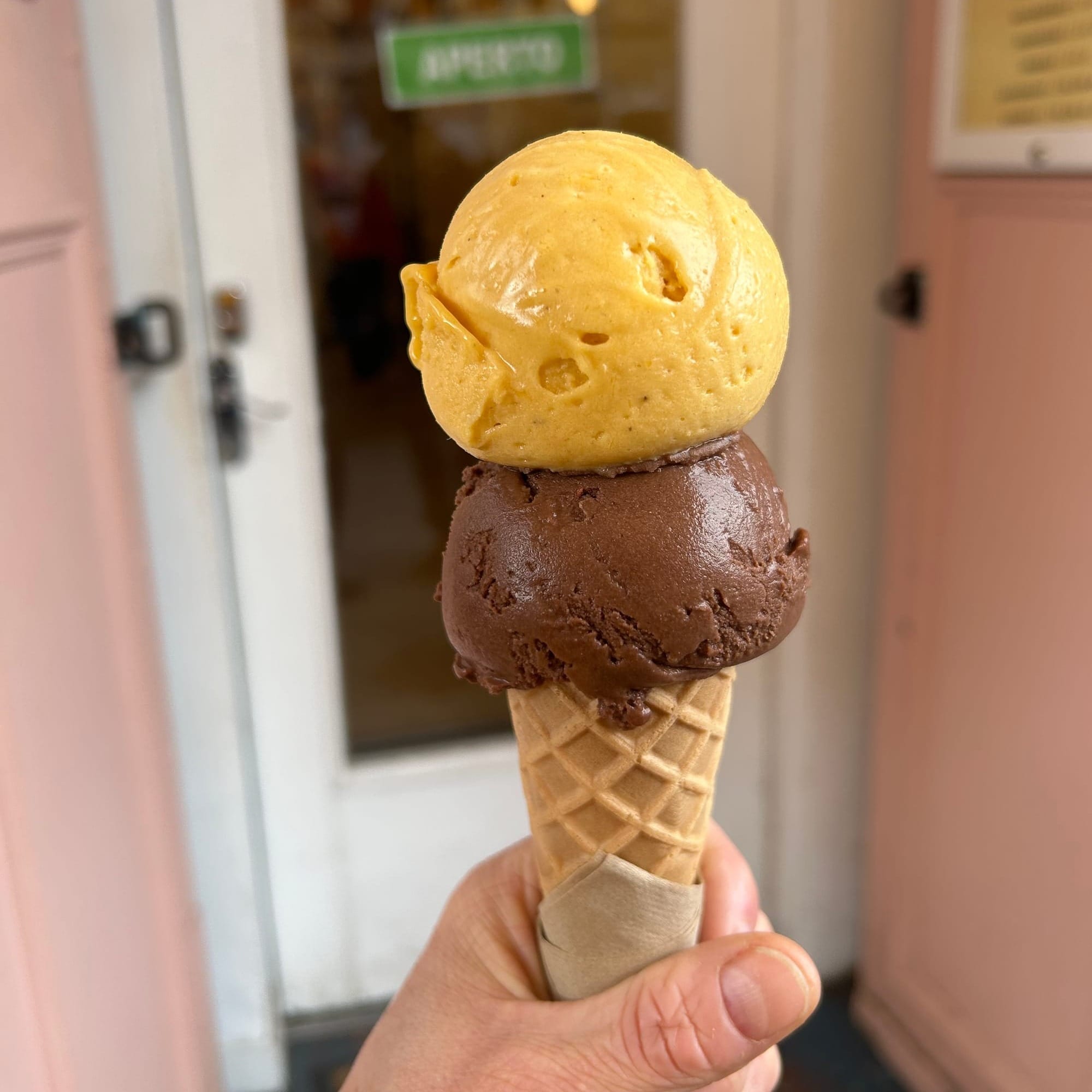
Which begs the question: what food or drink guide would you like to read next? Given the balmy weather we’ve been having, you might reasonably assume an ice cream guide is on the cards. You’d be wrong; I could almost count Glasgow’s best scooperies on one hand: La Gelatessa, Peacock’s, Nowita in the new school; Ginesi’s, Coia’s, Colpi (if we can stretch to Milngavie) in the classic camp. There’s simply not enough scoops to fill an entire ice cream guide. Ice cream city, Glasgow is not.
A pub listing seems not only sensible, but requisite (although the research phase might be an uphill struggle since Calum and I are both lightweights), but it feels like more of an autumnal project for the colder months. On the fancier end, we're not sure our budget stretches to covering the city’s best restaurants. Wine bars, perhaps? Coffee or cocktails, definitely. Beer gardens and sun traps, absolutely.
Jock’s Road, land reform and the Clyde
Who owns Scotland? It’s a deceptively complex question that Andy Wightman has been trying to answer for decades. Broad swathes of our land are held in private hands, meaning much of our country is less accessible than the public would like it to be. I pondered this during the bank holiday weekend. With the mercury pushing past 20°C on Monday, it was the perfect day for a hike up Corrie Fee in Glen Clova, an amphitheatre sculpted out of Dalradian rock by glacier erosion. It’s one of the finest examples of a glacial corrie in the British Isles, but it was the signs for Jock’s Road that caught my eye.
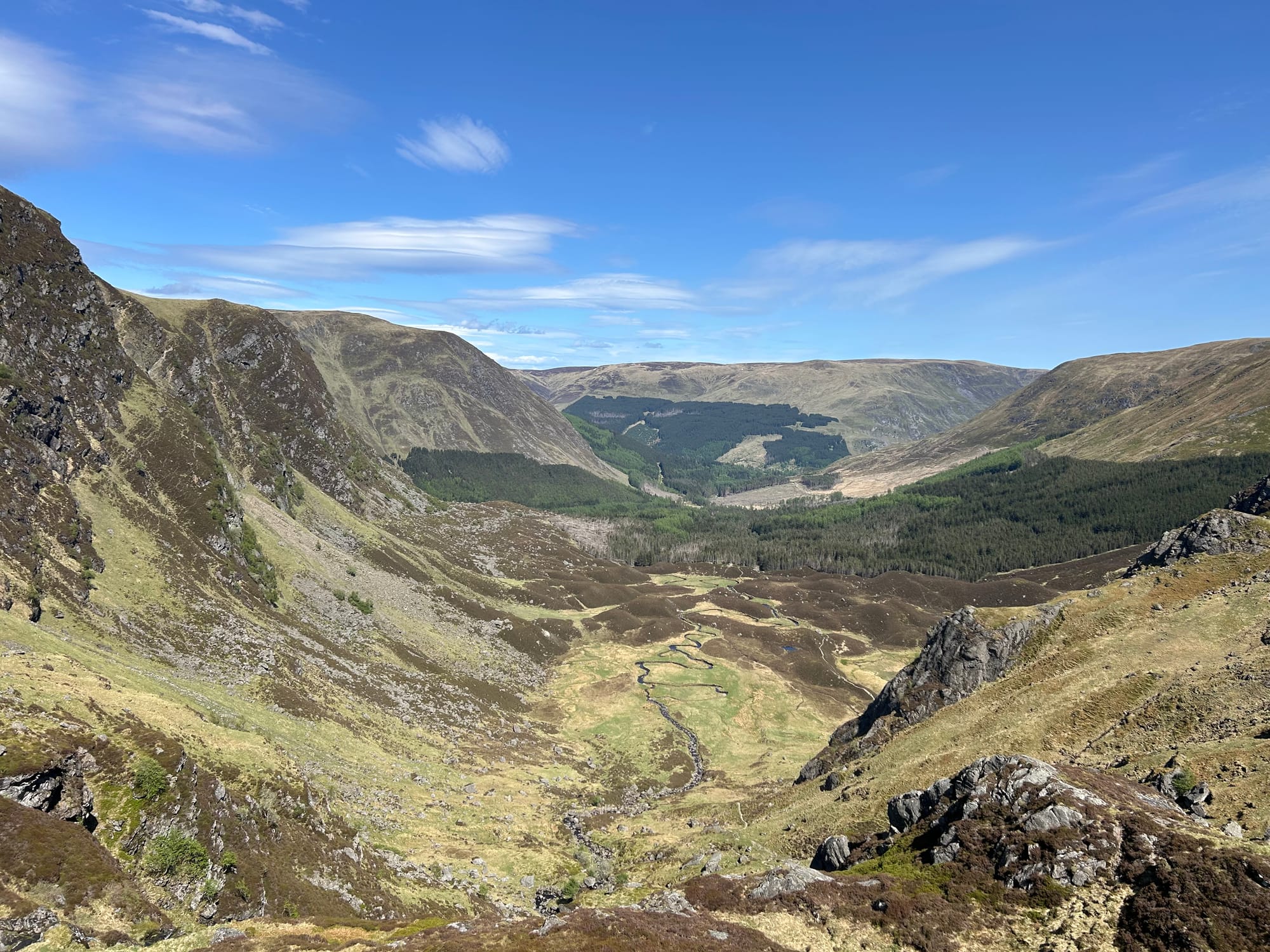
The road takes its name from a shepherd named John ‘Jock’ Winter. Winter was one of many who fought against the laird, Duncan Macpherson, who bought up the Glen Doll Estate in the late 19th century, then attempted to block an age-old rite of passage that farmers had enjoyed over generations, droving their flocks from Braemar to market in Kirriemuir. Macpherson went so far as to order his staff to block walkers from entering his estate via a bridge. But the people had other ideas. After a night at the Clova Inn, a party set off towards the bridge where Macpherson had erected ‘Private Entrance to Glen Doll’ signage. They’d brought with them their own signs reading: ‘Public Path to Braemar’. Next, they set off up Glen Doll, ignoring padlocked gates and squeezing through fencing. A trespass for the ages.
The Scottish Rights of Access Society (later known as ScotWays) took the case to court following the public protests from Jock and the band of shepherds. In 1887, the Court of Session judged that there were sufficient grounds to deem it a right of way. The case bankrupted the society and MacPherson in the process. Macpherson even tried to take his case to the House of Lords, who rejected his appeal in 1888. But it was what happened next that ensured that Jock – and his eponymous road – lived on in perpetuity.
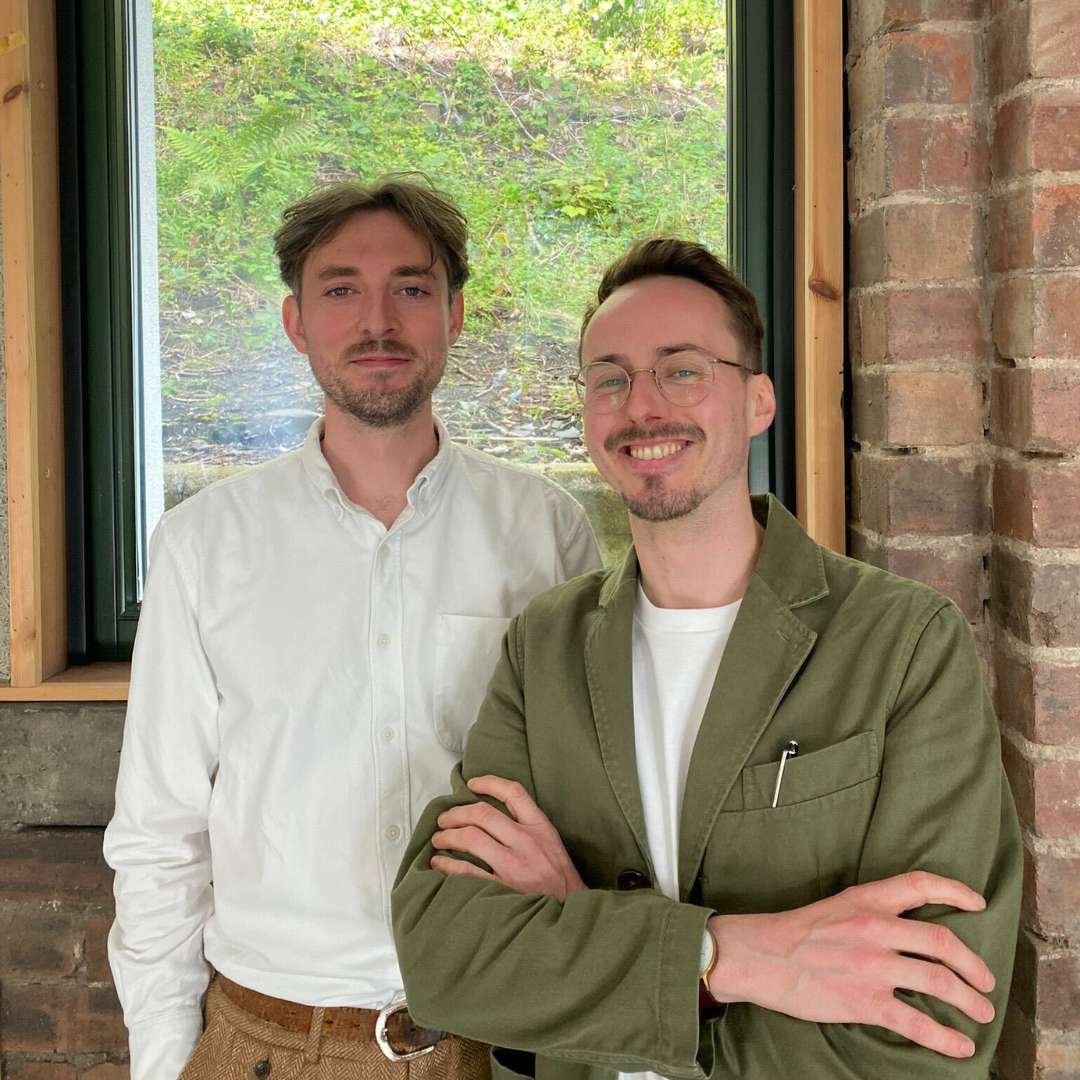
Hi, thanks for reading. We’re Robbie and Calum, and we run The Bell. Today’s edition is how we like to connect with our readers. We strongly encourage commenting and letting us know your opinions on the issues within: have you been on an allotment waiting list for yonks? What’s your favourite ice cream spot in Glasgow? Do you have a hot take or tip off about land ownership?
To do this, and read the rest of the edition you need to sign up to be a paying subscriber.
For £1.71 a week, you'll get all our best journalism and contribute to bringing on-the-ground, local reporting back to Glasgow.
Glasgow deserves great journalism. You can help make it happen.
You’re halfway there, the rest of the story is behind this paywall. Join the Bell for full access to local news that matters, just £8.99 a month or annual deals with two months free.
SubscribeAlready have an account? Sign In