Every Monday morning, the Bell team sits down at their desks, engages in some light mutual bullying of one another in lieu of ‘hello’, then asks the same question: what is Glasgow talking about this week?
Since August, the answer has overwhelmingly been the city centre, specifically the area around St Enoch’s Square and the Four Corners — the intersection where Jamaica Street, Argyle Street and Union Street meet. This is the explosion of a conversation that’s been bubbling since the city emerged, blinking, from the Covid-19 pandemic about safety and the state of Glasgow’s heart. It’s a topic that pops up repeatedly, whether in a casual chat with a neighbour, or listening to panellists at The Bell’s Drygate Brewery event last week.
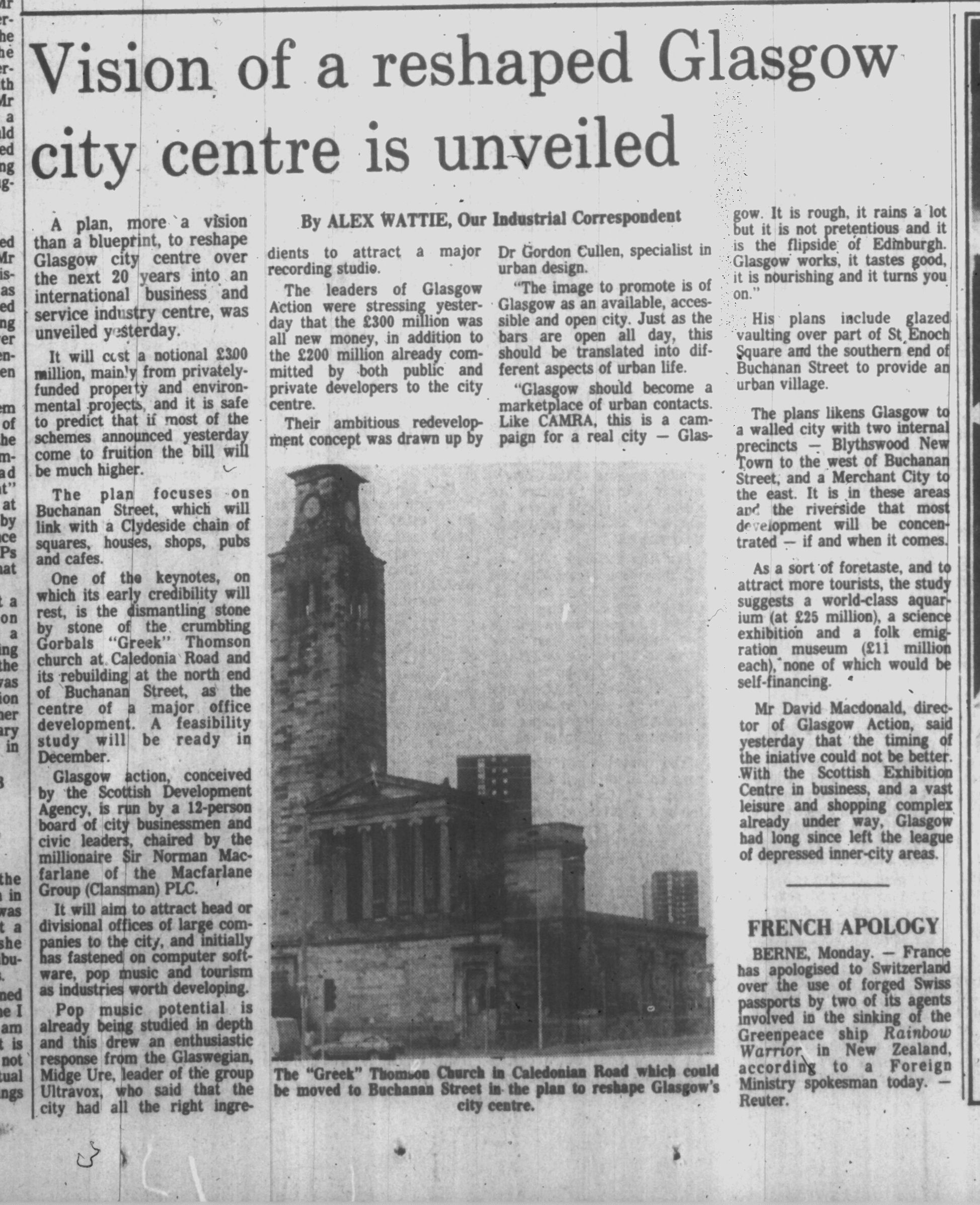
To be honest, the fretting itself isn’t anything new. Glasgow has been neurotic about its city centre for a long time now. The focus of this worry shifts: in the 1980s it was Buchanan Street, considered the city’s “front door”, which was linked to general fears of Glasgow falling behind as a place to live and work.
More recently it was Sauchiehall Street, beset by successive fires, construction work and underpinned by concern about neglected heritage and the decline of the high street. Now it’s the turn of St Enoch’s and its surroundings.
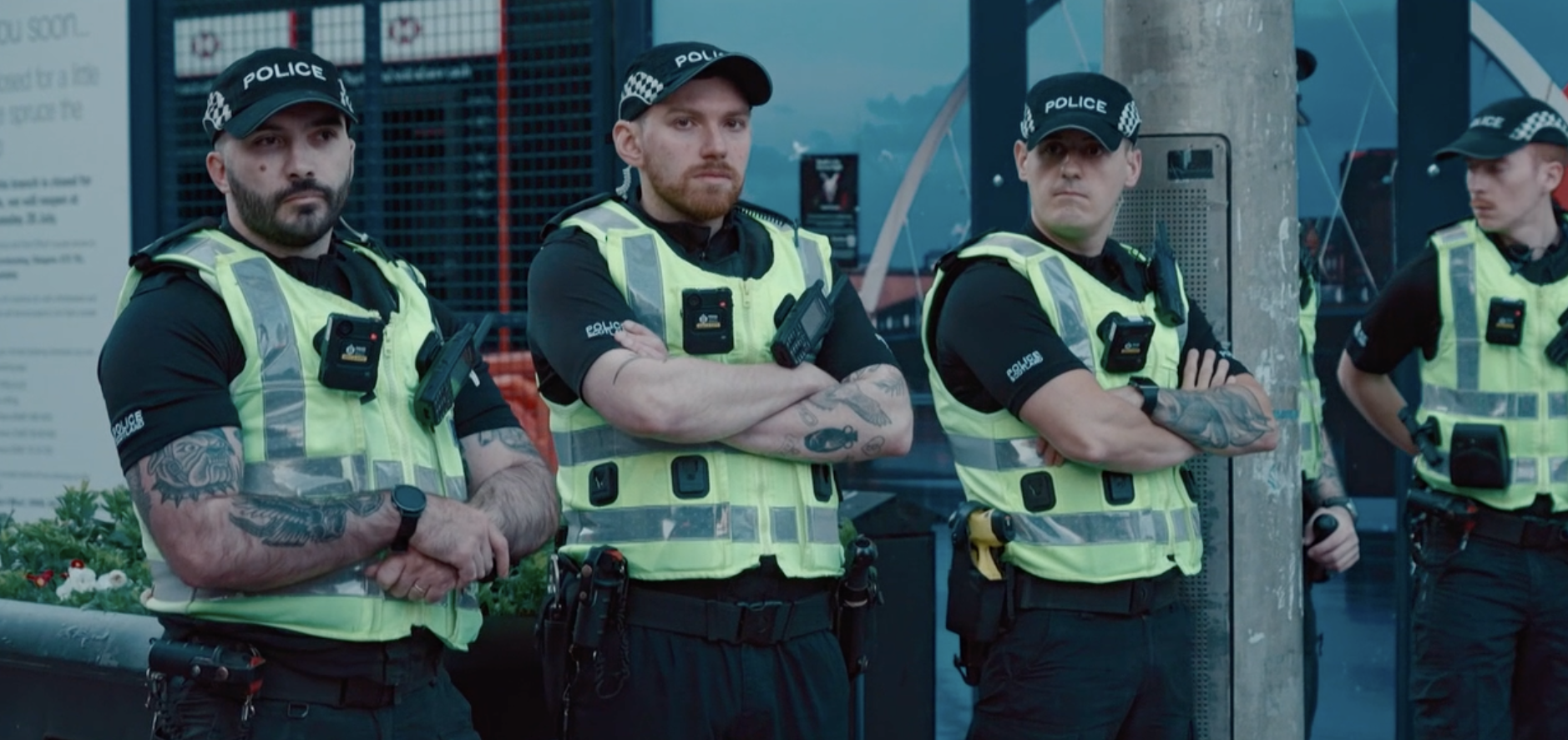
These came to a head two months ago, when BBC Scotland dropped a controversial Disclosure documentary titled ‘Welcome to Glasgow’, which focused on the area, claiming it had become a “no-go zone” thanks to “violence, drugs and racism”.
Such was the reach and impact of this piece of journalism that Labour MP, Maureen Burke, cited it in the House of Commons just last week, asking prime minister Andy Burnham to “hear this call for help and support a co-ordinated response to make Glasgow safer”.
Reaction to the documentary, and to the issue in general has been hugely divided. Some are with Burke — they believe St. Enoch’s and the Four Corners are the embodiment of a wider crisis of safety and public disorder impacting Glasgow. Others disagree, saying the issue is overblown and driven by fears around migration and homelessness.
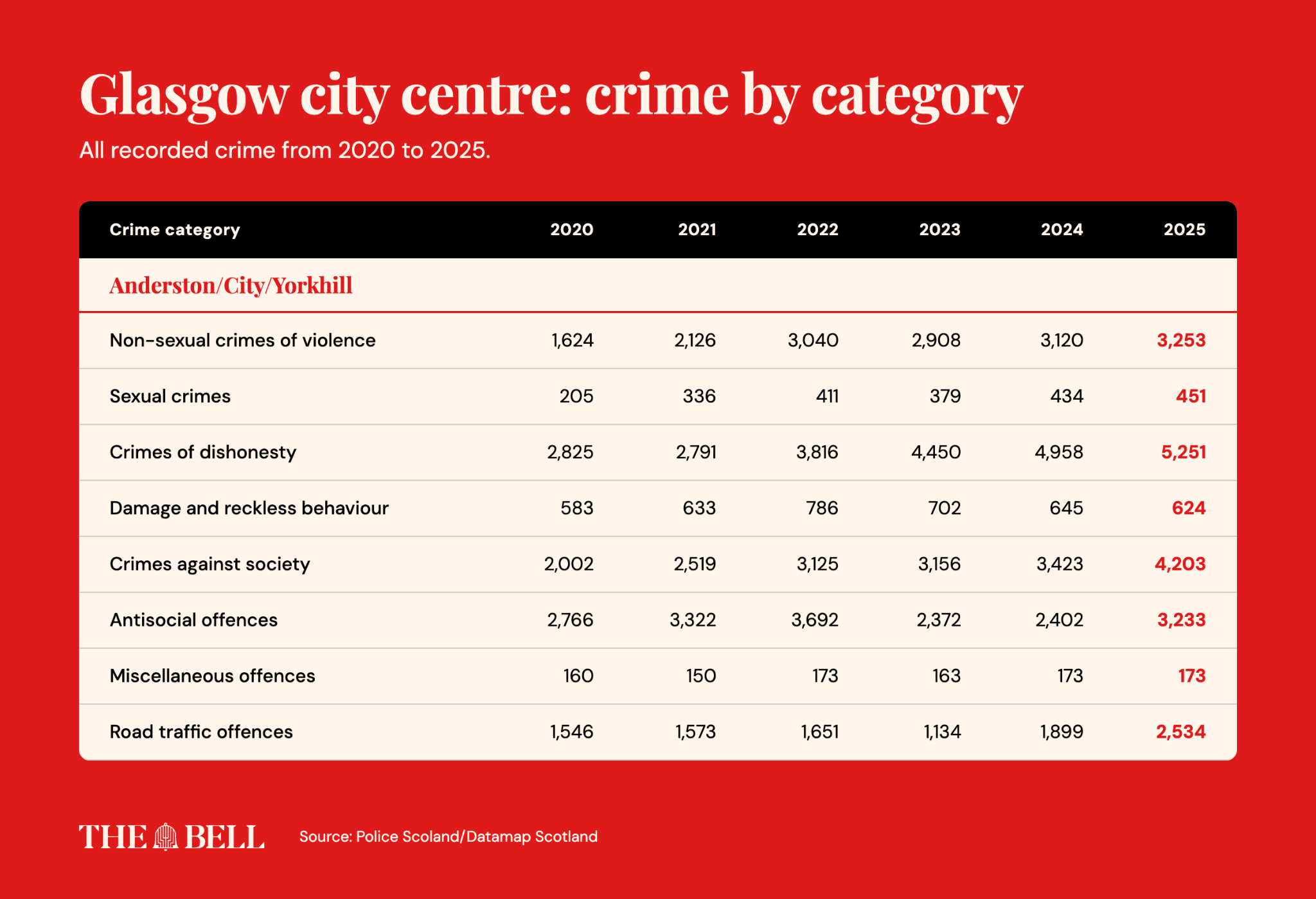
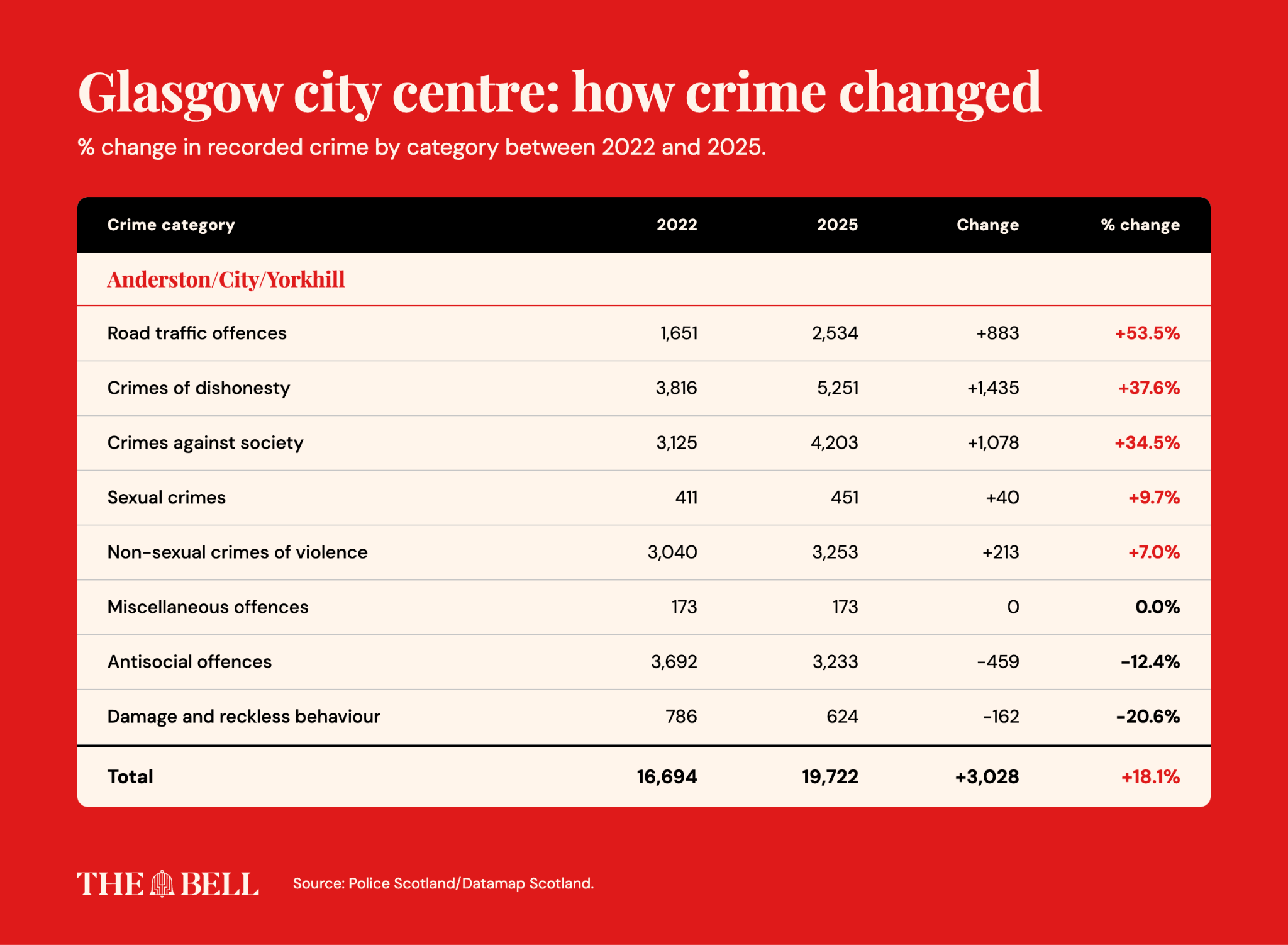
If we look at post-pandemic numbers from 2022 to 2025, the biggest increases in recorded crime are in road traffic offences, crimes of dishonesty (i.e. shoplifting), and crimes against society — ‘victimless’ crimes, where public order, rather than an identifiable individual, is violated, (like possessing a weapon but not using it).
But some categories have seen a decrease: antisocial offences — which include drunkenness and hate-aggravated conduct — are down by 12.4%, despite being cited so often as an indicator of the centre’s decline.
Of course, data only goes so far. These numbers don’t tell us exactly where offences happen — we can’t immediately discern whether any increases are connected to activity around St Enoch’s at all. Numbers also can’t give you texture: all the times the police let a suspected offender go with a warning, or made a mistake in recording. They are just numbers. And when it comes to the city centre, the discourse seems to be running on vibes.
The job of journalists is to investigate what’s behind those vibes. We compare and contrast eye-witness accounts with official records and data and pull together a wider picture. This week, Beth looked into a bomb hoax that hit Glasgow’s schools. She didn’t just read data or online chatter — she went on the school run, interviewed parents and teachers and rang sources. Her report bagged an invite to BBC Scotcast to talk about what she’d learned. When the researcher called, they told her why: “You seem to have the most information”.
Right now, we’re two weeks into our campaign to reach 1,000 new paying members by 15 November. It’s going pretty well — we’ve passed the 300 mark. But there’s still a big mountain to climb.
If we get there, we’ll make good on five pledges, chosen by readers, that we think will make Glasgow better. They range from providing internships to give Glasgow’s young people a pathway into media, to tackling big issues and major talking points — like the city centre — via a series of articles.
Maybe we can add a sixth, informal pledge: that we’ll always strive for our readers to be the people in Glasgow with the most information. You’re already halfway to being part of that group, as a member of our free list.
Close the gap now by signing up at full price or with £40 off a year’s subscription. And if you’re still not convinced, you can get two months of The Bell for just £2.99. Be informed with The Bell.
Calum here. Want to get your hands on a hard copy of The Bell? Our limited edition print edition has officially arrived and from Monday we’ll be distributing it across Glasgow. It’s a collection of our best and favourite stories and an opportunity for us to introduce ourselves to Glaswegians who don’t know us yet by shouting at them on the street.
This week we’ll be distributing at the following spots — come say hi!
Monday: Central Station (Gordon Street entrance), 5pm
Tuesday: Hillhead Subway Station, 7.30am
Thursday: Buchanan Galleries (steps), 12pm