Campaign update!
Good morning readers. It’s been an exciting few weeks here at Bell HQ. We’ve launched our campaign and been backed by big name author Andrew O’Hagan. Beth has been on the BBC so many times I’ve lost count. We’ve released a pilot episode of our podcast, Saved by The Bell. Story-wise, we’ve stayed the night at Glasgow’s cheapest hostel, provided much-needed analysis on bus franchising and dug into the data behind a school bomb hoax.
Thanks to you — that counter of ours is now at a very respectable 320 subscribers. That’s over 320 people who have chosen to back The Bell, to get more out of the city, and make us fulfil those five pledges if we reach 1,000 new paid subscribers by 15 November.

You can read about our pledges here. We’re very excited about them. They include a promise to go in-depth on the most pressing issues Glasgow faces, run in-person events that go beyond the headlines, start an internship scheme to nurture local talent, produce regular good news editions, as well as the aforementioned podcast that goes behind the scenes of our stories.
We’ve got something very exciting to come next week that we can’t wait to share with you. And please give us a share — it will help us reach our target and make those pledges a reality. We’ve even got a discount going if yer pals need a little convincing.
Join us, share the news, and back The Bell to get more out of Glasgow.
The millionaire on a mission
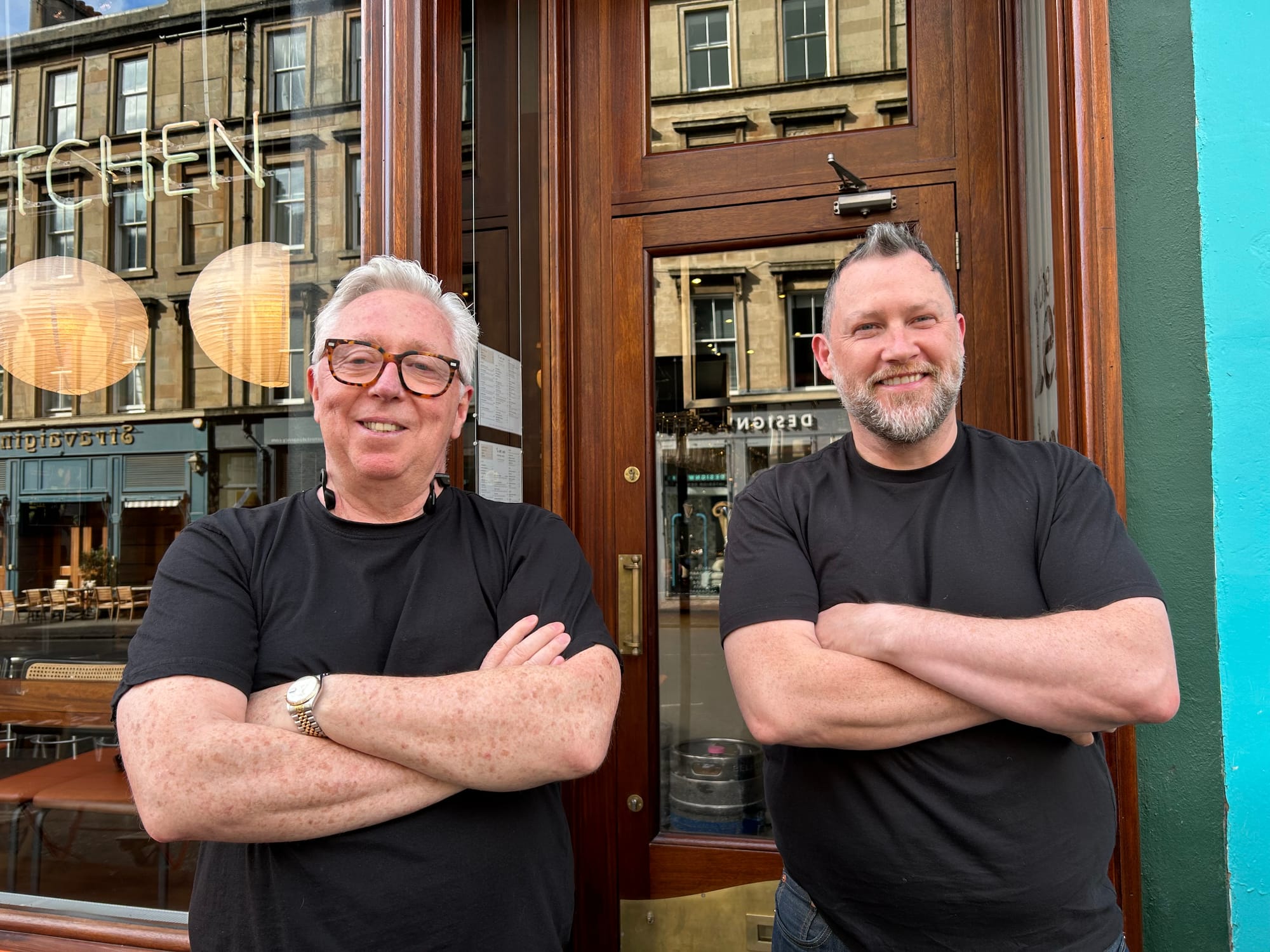
“It’s the friendliest pub in Govan,” Jim McLaughlin quips. He and his joiner Phil are sat in Brechin’s lounge, gleefully recounting the state of the pub before they got to work. “It stank of pish and shite,” says Phil. McLaughlin nods in agreement. “Brechin’s: reekin o’ pish,” he chuckles. “The drainage was shocking.”
McLaughlin mentions a Reddit review, posted before he bought the place with his business partner David Low earlier this month, taking particular joy in the line: “Pint of Tennents flatter than a witches tit served by a woman who’s said ‘Fucks Sake’ when I asked for a pint.”
But McLaughlin and Low see huge potential in the place. McLaughlin is visibly excited as he shows me the upstairs venue, Cardell Halls. It looks like it’s not been touched since Noam Chomsky popped in for a pint and a blether in 1990. Every surface is now covered in cobwebs and dust, but the bones of the place — wood-panelled walls and columns, leather booths, vintage beer and whisky memorabilia — are beautiful.
Next, he takes me outside to show me the ghost sign, the words ‘Old Scotch’ a reminder of the days when it was owned by Victorian-era whisky blenders William Brechin & Son. Phil has stripped back the frontage to reveal original wood panelling, but the other side of the pub looks abandoned. A peeling sign, graffiti on the red sandstone, buddleia growing out the stonework; McLaughlin and his team have work to do.
Most people we speak to are polite and chatty. “Friendliest pub in Govan,” the pair joke again, acknowledging the competition in the area is far from stiff. When I ask a local if I can take a picture, he says “Naw, I’ll knock that camera oot yer fucking hauns.”
So why is the millionaire investment banker Low interested in this place?
From Govan Road to Gibson Street
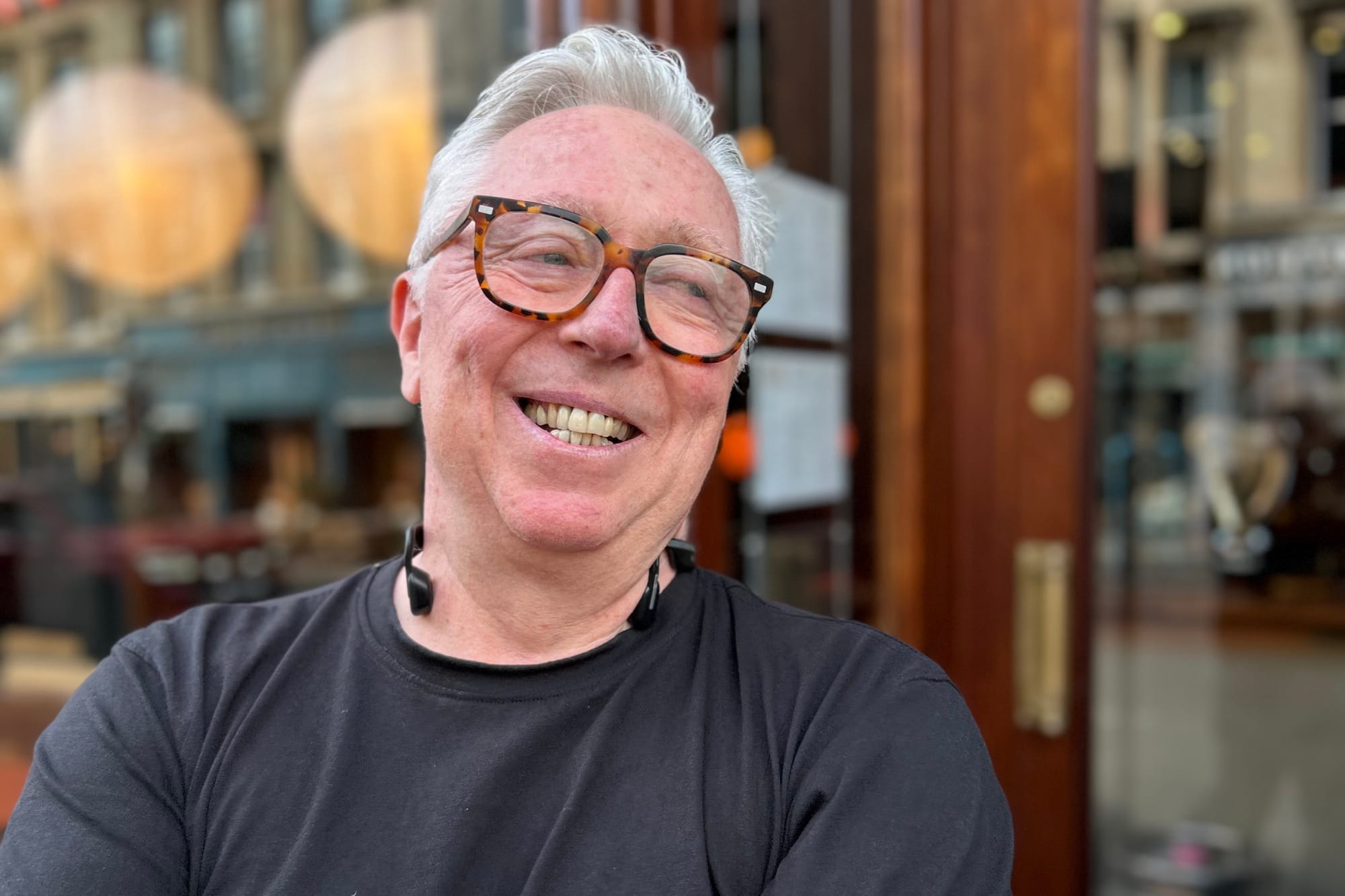
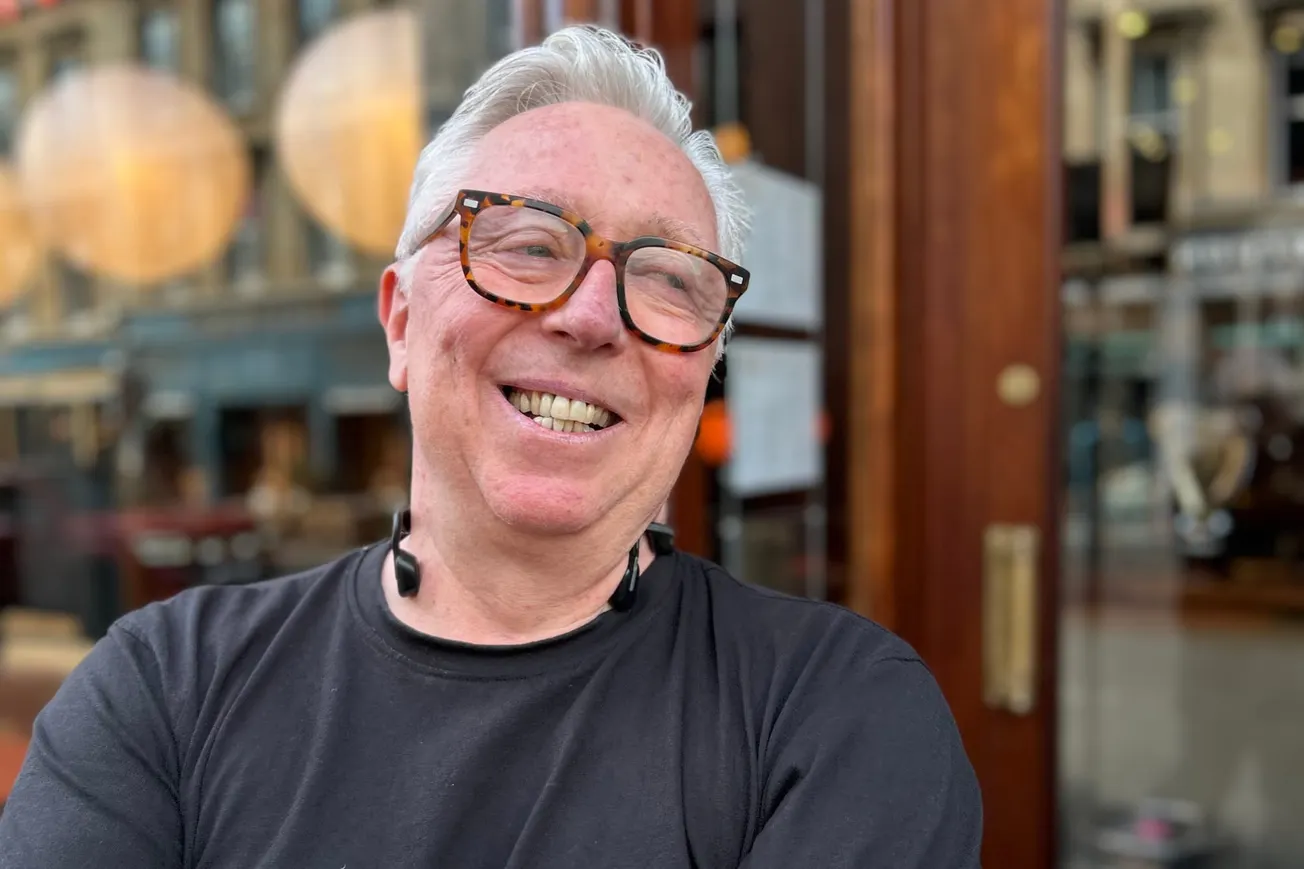
David Low is sitting at a table at the back of his and McLaughlin’s bar, the swanky Left Bank which they bought in March. He’s dressed down, in a black tee shirt and jeans, with chunky tortoiseshell glasses and a silver and gold timepiece. He’s well spoken, a “posh boy from Newlands” as he puts it.
It’s only two miles away, but worlds apart from Brechin’s, with its high fidelity vinyl listening room and exposed original features. Low describes the new Govan acquisition as “the other end of the spectrum” from the Left Bank, which is aimed at “pretentious West End types”. This point is duly proven when a pair of students sit down next to us and begin talking loudly about philology.
Low’s business interests go well beyond hospitality. In the 1990s, he drew up the share-buying strategy that allowed Fergus McCann to take over Celtic, travelling internationally to secure shareholder investment and save the club from financial neglect. Such was the pivotal role he played, he’s accorded special status in the club’s history and by its fanbase. Mainly, he’s a financier and stockbroker, with a family investment firm. He’s been described to me as a “ruthless businessman”, often brought in to companies to steady the ship after turmoil. He was also one of the key people behind Scotland’s cryptocurrency, Scotcoin. It’s hard to get a measure of the man, such is the diversity of his interests.
He and I first came into contact last August, after I reported (or rather dispelled) rumours that the Star Bar was being turned into a Celtic pub, under Low and his brother Kenny’s ownership. He brands the idea as “stupid”. “Why would you do that?” Others thought he was going to “yuppify it”. He shrugs it all off, pointing to the fact that footfall has gone up since they took over. Low had previously been the driving force behind Three Thistles, a portfolio of seven profitable pubs across Scotland.
Now, he’s on a mission to save some of the city’s most iconic pubs. To understand why, you need to know where he came from.
This story is free to read. You just need to sign up to join The Bell's mailing list. And why wouldn't you? You'll get our journalism in your inbox the second we publish, keeping up-to-date on this and all our stories. No card details required.
Already have an account? Sign In