Dear readers, January in Glasgow — proof that God almost certainly does not exist — is almost over. Over the weekend, Calum ate a particularly spectacular sponge cake with lychee, grapefruit and Szechuan peppercorns; so tasty it proffered a glimmer of cake-based hope in the Holy Father’s existence. Robbie, meanwhile, made his own haggis — a veggie one, mercifully; he doesn’t have the stomach for ruminant butchery. He graced his Burns supper guests with a sample of his infinity whisky, a bottling of sixty-odd Scotches blended together in haphazard fashion over the years. One feels Rabbie B would have approved.
Enough food and drink chat, for now. Onto the briefing.
What do you like about The Bell ? What don't you like? This is your last chance to tell us, as our annual survey closes tomorrow. Get your feedback in to help us as we plan for our best year yet in 2026.
Glasgow in Brief
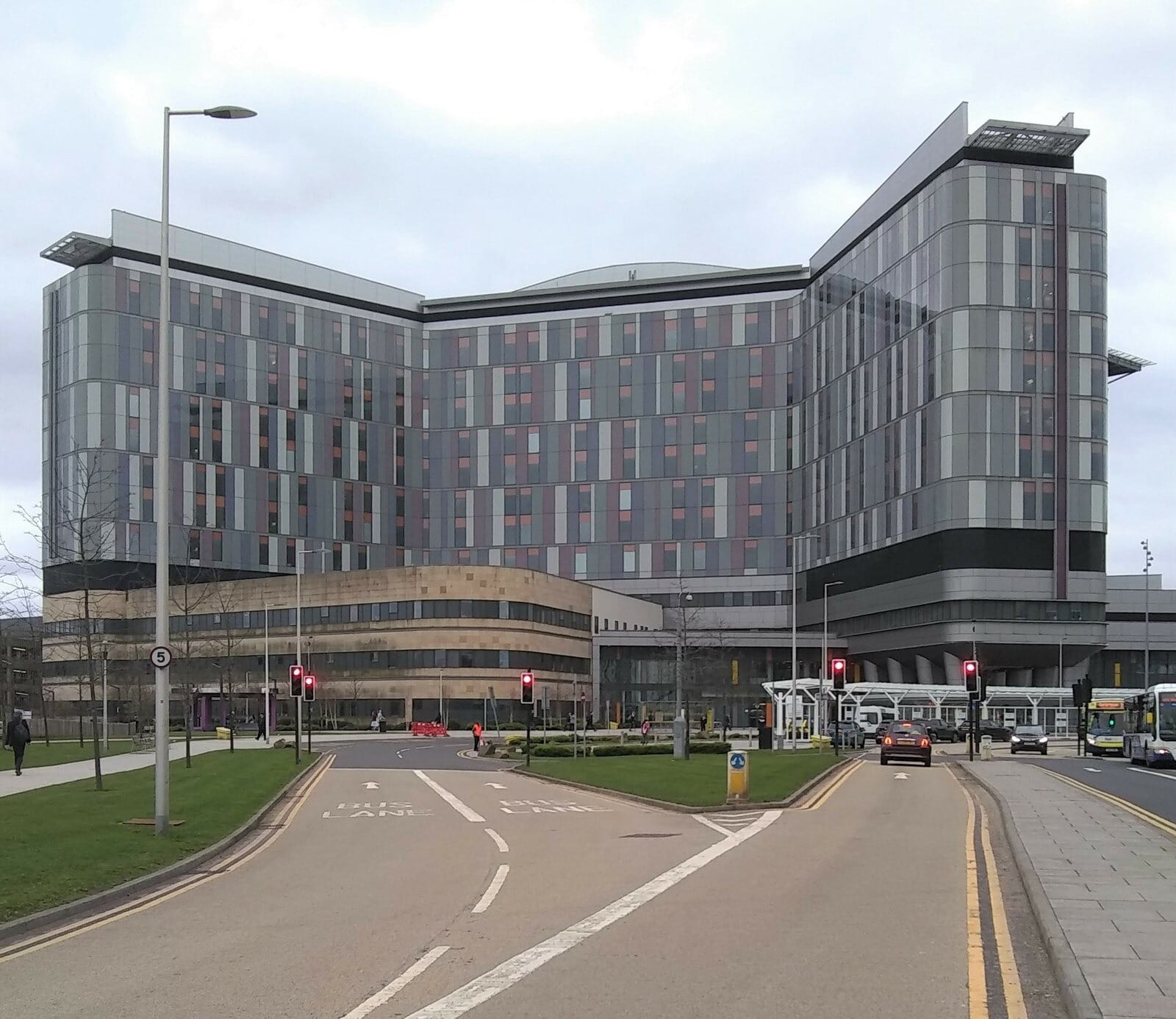
🏥 The Queen Elizabeth University Hospital (QEUH) used to be called the ‘death star’ — until that name became all too accurate. The dust is now settling on the Scottish Hospitals Inquiry, and we’ve had time to digest the week’s submissions over the weekend. A quick recap: last week was the final set of hearings in the six-year long inquiry into a series of infections contracted by patients in the QEUH between 2015 and 2019. Three children in the Royal Hospital for Children died from infections while receiving treatment for blood disorders and cancer; 84 children were infected in total. Three adults also died as a result of infections picked up while in the QEUH during the same time period. Two were from a fungal infection associated with exposure to pigeon droppings.
During the week’s evidence, the health board made two major admissions. After years of denial, NHS Great Glasgow and Clyde (NHSGCC) finally accepted that some of the infections in the children’s hospital were “more likely than not” caused by problems with the water supply. Between 2016 and 2018, infection rates were unusually high. After the water system was changed, infection rates dropped. The other admission from NHSGGC was that the hospital opened before it was ready. The QEUH opened to patients in 2015 while 200 contractors were still on site. In its final submission to the inquiry, the health board cited “pressure” to open ahead of schedule. But NHSGGC was quick to clarify that this pressure was internal, not from politicians. Even so, Nicola Sturgeon was asked whether she pressured NHSGGC to open before it was ready. She denies this.
Still disputed is whether clinicians who raised concerns about the hospital were treated fairly, and whether the health board covered up the high infection rates and their likely cause. During last week’s hearing, microbiologist Theresa Inkster told the inquiry that she repeatedly questioned the water and ventilation systems to managers but was told not to speak at infection control meetings. The inquiry’s legal team concluded that microbiologists had raised concerns about the hospital’s design in 2015, but that they weren’t acted upon. Despite its ventilation system still failing national standards, NHSGGC assured the inquiry that QEUH is now safe. A final report will be the next stage of the inquiry, and is expected to be published late this year.
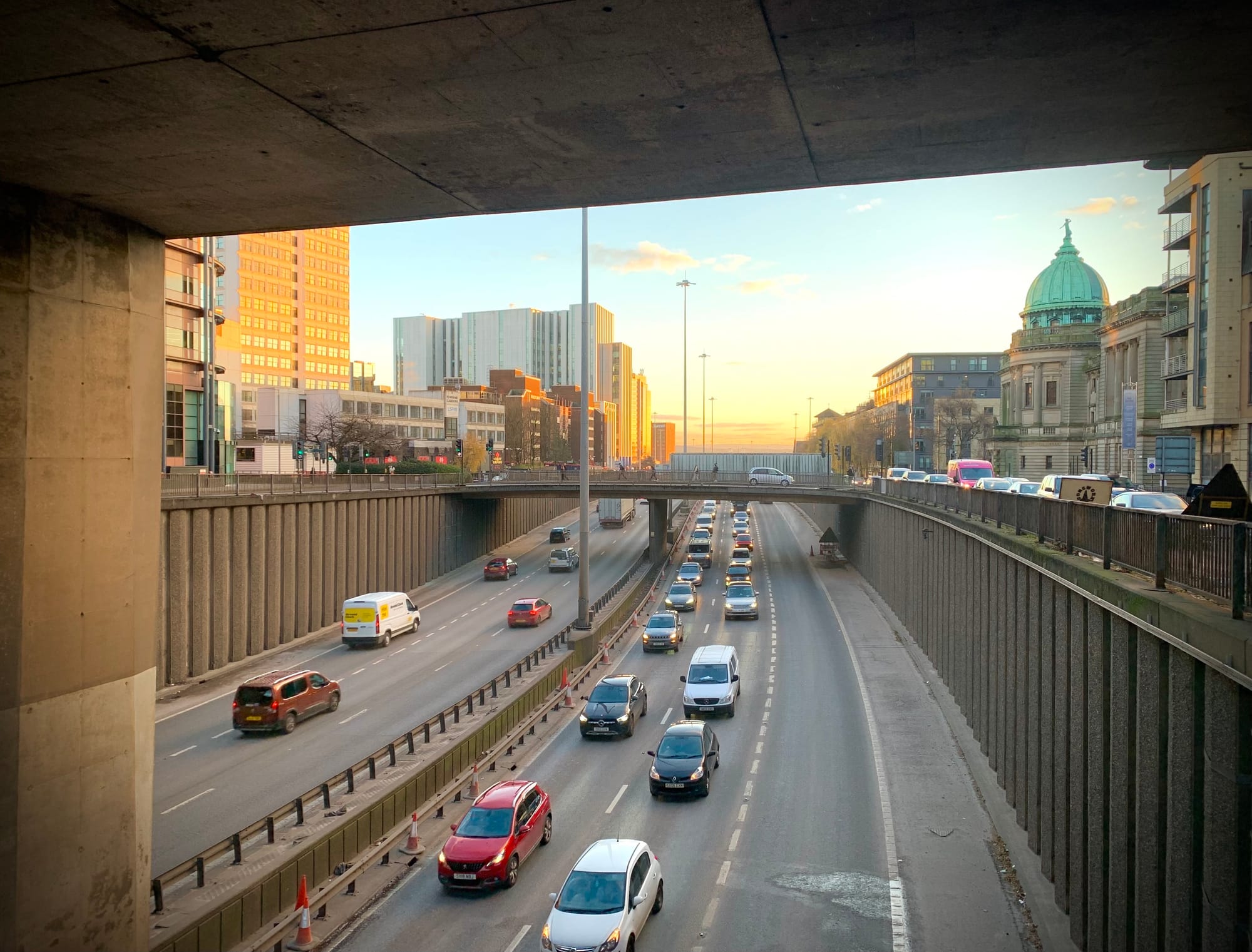
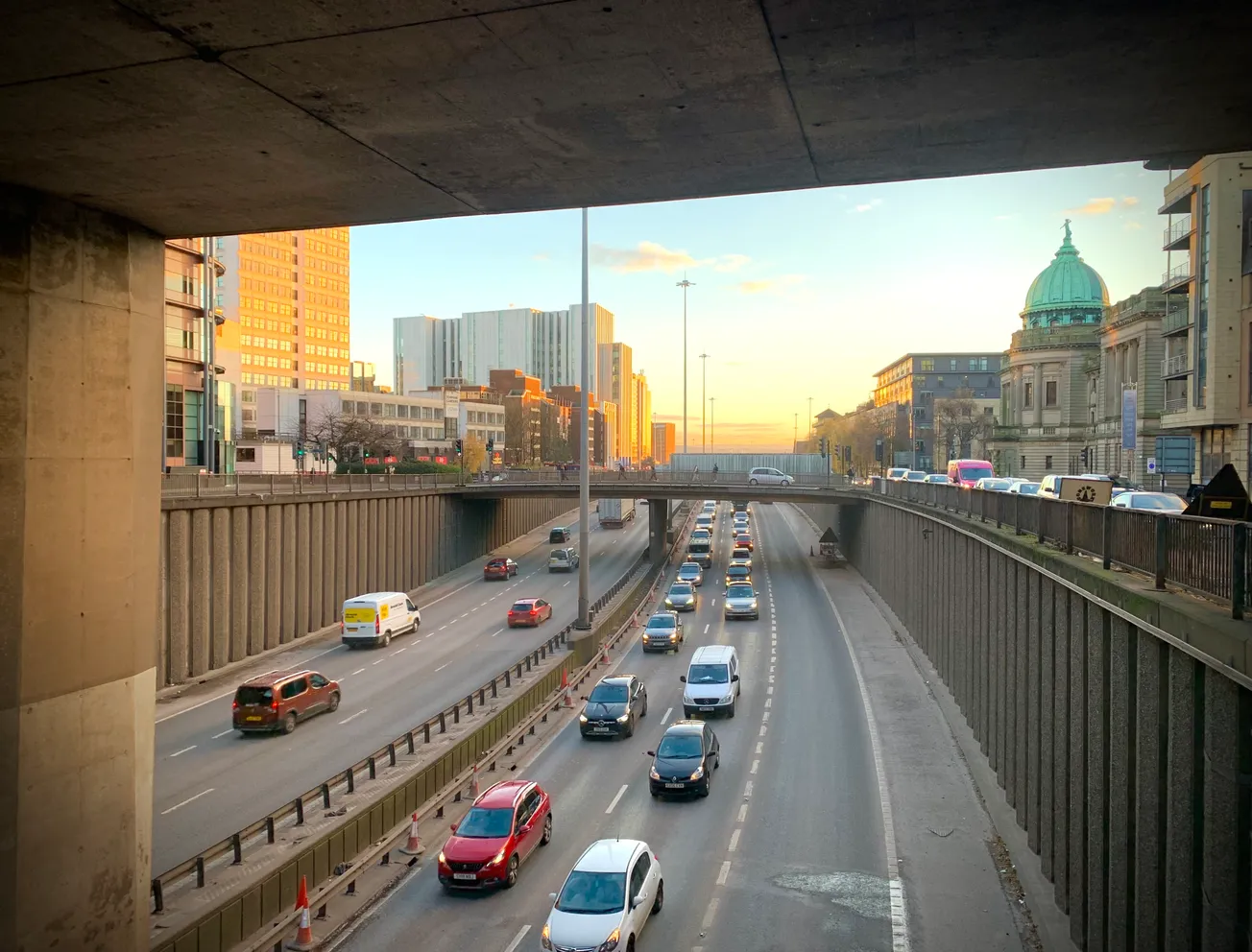
🏗️ The £250m glow-up of Charing Cross has begun with the demolition of Elmbank Gardens (RIP Seventh Heaven). The development will include 750 student flats as part of a masterplan aiming to “reinstate a lost section of the city fabric and create a new western gateway into the city centre”. Phase two will also include 450 flats, offices and a health centre. Expected in 2028 on the site of nearby Portcullis House will be the Ard, which will become the tallest habitable building in Scotland upon completion (a title once belonging to the Red Road Flats, and since then the Balgrayhill tower blocks in Springburn). The Ard will rise 36-storeys above the Charing Cross canyon; the monolith will include “784 beds in a mix of en-suite clusters and individual studio units, plus nearly 4,000m² of student amenities”. One thing about the area will apparently never change, though: the multi-lane motorway that drives right through its heart.
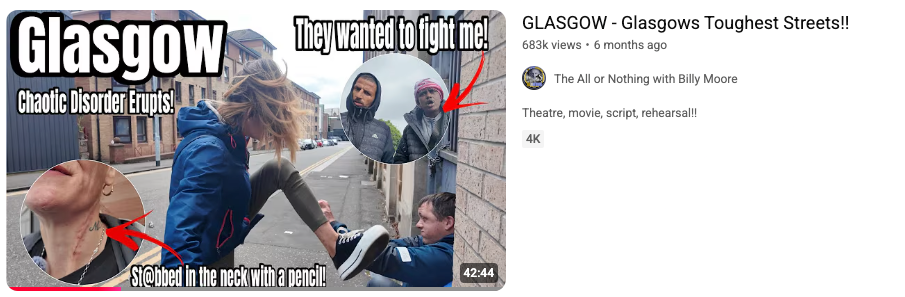
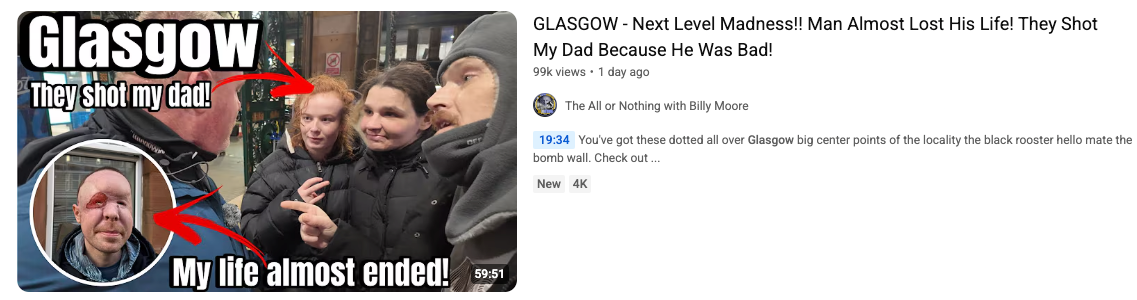
😡 You might have thought that a certain type of trauma tourism died with the publication of Darren McGarvey’s 2017 book, Poverty Safari. Sadly, it’s found a new lease of life in the guise of longform YouTube videos — in which self-interested travel influencers come to Glasgow to seek out “one of the UK’s most dangerous places”. So much so it’s become its own subgenre. Former boxer Billy Moore, for one, seems to be on an endless quest to find Glasgow’s “roughest and toughest areas” — even if he only ever seems to meet friendly people, albeit those often living with addiction issues. The facts that lead YouTubers to come here are stark: a total of 1,017 people died from fatal overdoses in Scotland in 2024, with Glasgow accounting for 185 of the total. Glasgow saw a 24.8% drop from 2023, but the figures are alarming nonetheless. Despite this, the videos themselves often feel extractive, if not exploitative.
The latest poverty safari vid — Inside Europe’s drug capital — came from US Instagram news site RocaNews. Drugs campaigner Annemarie Ward welcomed the video, which presents a somewhat bleak, sensationalised view of the city. RocaNews relies heavily on that famous Glasgow film — Trainspotting — to make its central argument, seemingly oblivious to the fact it’s based in Edinburgh. “People are watching because they recognise something real,” Ward wrote. Scotland’s struggle with drug-related deaths is well-documented, but videos like this smack more of an attempt to shock and drive clicks on a very real issue, than a well-researched exploration of solutions. As evidence: Roca News’ next dispatch from Scotland is called Inside Europe’s “Woke” Country. First stop: Dundee.
Roca’s Glasgow dispatch relied heavily on a nightclub manager called Matty, who looked alarmingly like a poundshop George Harrison impersonator, and spoke with all of the expertise and intellect of, well, a poundshop George Harrison impersonator. The video, which has 307k views and counting, also features extensive interviews with Francis Wilson of The Streets Glasgow, whom Robbie profiled a year ago. If you need a timeline cleanse after the Roca video, might we recommend a travel YouTuber of a different sort, with a very healthy addiction to Scotland and its biggest city, Eddy Cheeee.
Stories you might have missed
☃️ Winter Wonderland event in Glasgow Green branded 'unbearable' by residents | STV News
⚖️ Rape campaigner Ellie Wilson charged in relation to domestic abuse - BBC News
😕 Anas Sarwar fails to explain why Pam Duncan-Glancy retains Labour whip | The National
👮 Police officers jailed for attempting to frame two men - BBC News
📈 Foreign investment in Glasgow goes up 65% as new stores move in
🗣️ Women experience harassment and rape in Scottish folk scene, says report - BBC News
📉 Glasgow's disposable income falls as report finds citizens' 2.3% worse off
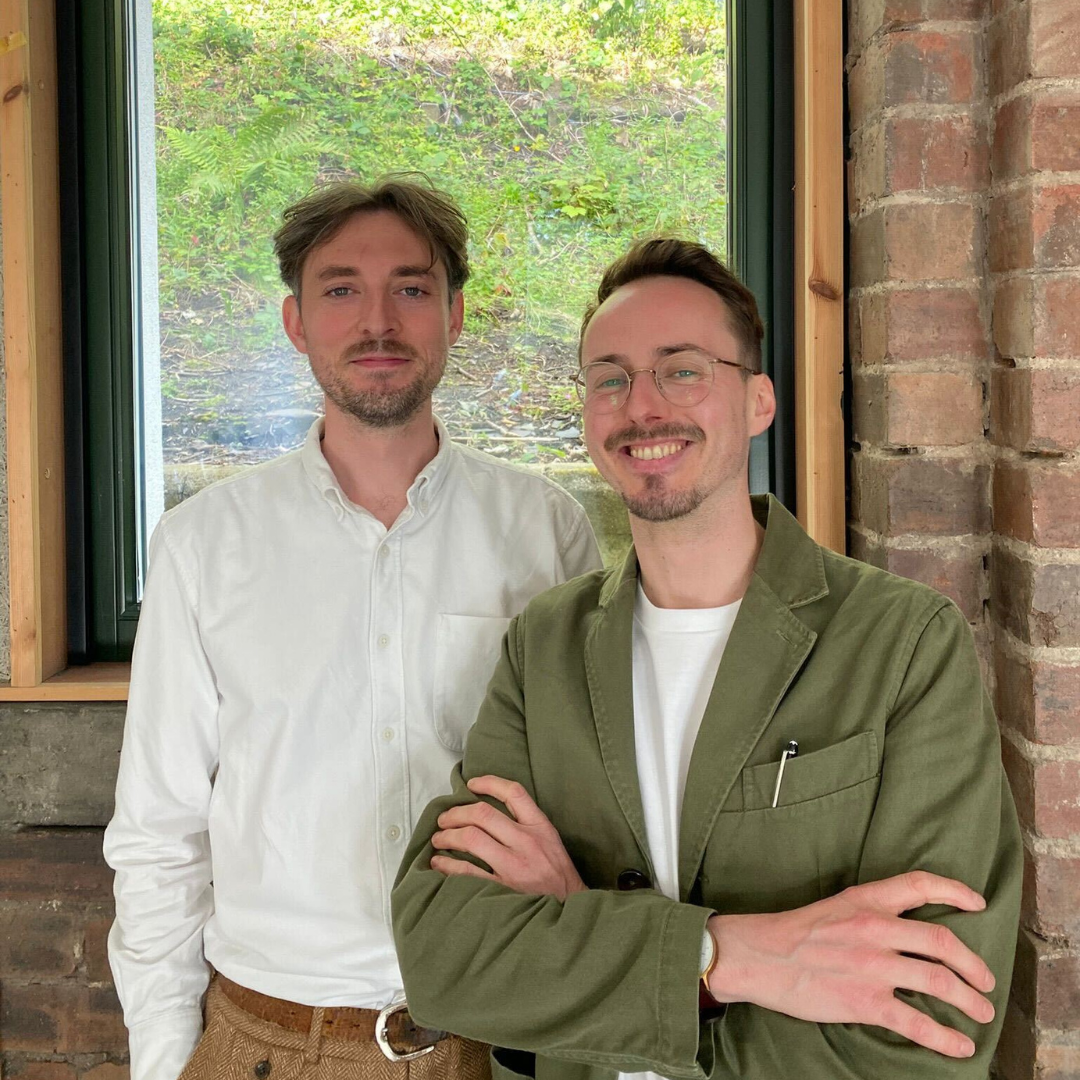
Greetings from Bell HQ. Thanks for reading today's briefing. They take a lot of work, and so do all of our articles. That's because we care about what goes on in Glasgow, and about how we tell that story. This means we need time to research, go visit locations, interview key characters, and (you'd be amazed) a lot of time editing each others' work.
Good news, you can be part of our mission to bring back quality local journalism to Glasgow for free. Sign up below and get our work straight to your inbox.
Read/listen/watch: Archive on 4, Forged in Steel
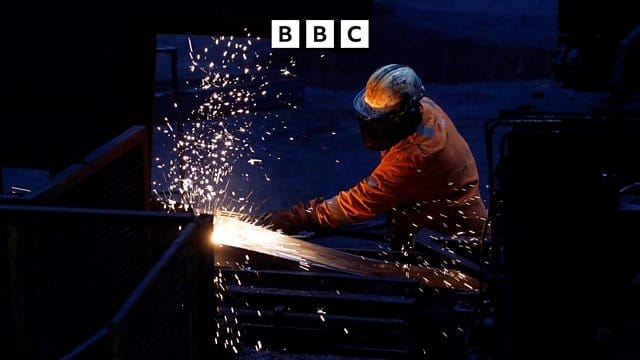
At the end of last year, Robbie cycled up an incredibly steep hill in Hamilton to record an interview with the son of legendary union organiser and steelworker Frank “Gerry” Hayhoe, who worked at Clyde Alloy in Motherwell. His son Billy laconically recounted his dad’s life and the boom of steel production in North Lanarkshire. The area is the historic heart of Scotland’s steel industry, the centre of production for a century and a half — best defined by the Steelopolis of Ravenscraig Steelworks, which closed in 1992. Those days have been largely consigned to history’s scrapheap, but the stories remain. The archival documentary is fronted by oral historian Alan Dein, who retraces his journey around the UK in the 90s in search of the story of steel. “Today those steel towns are either utterly shorn of their former major employer,” reads the synopsis, “or living with its scaled-down remains.”
Catch up and coming up:
- Over the weekend, Bell-debutant Ingvild Paulsen dived head first into whether Glasgow’s waterways can ever become swimmable again. Swimming has returned to one part of the city, and Ingvild braved the icy temperatures to find out more. “You could imagine something like a floating pool round about the Science Centre,” Jude Barber mused.
- Last week, Calum was dispatched to Knightswood where he met Dr Habab Idriss, a Sudanese refugee, archeologist, ‘new scot’, and parliamentary hopeful. She’s a charismatic case study in how community groups support new arrivals.
 Calum Grewar
Picture of the week: Botanic Gardens railway station
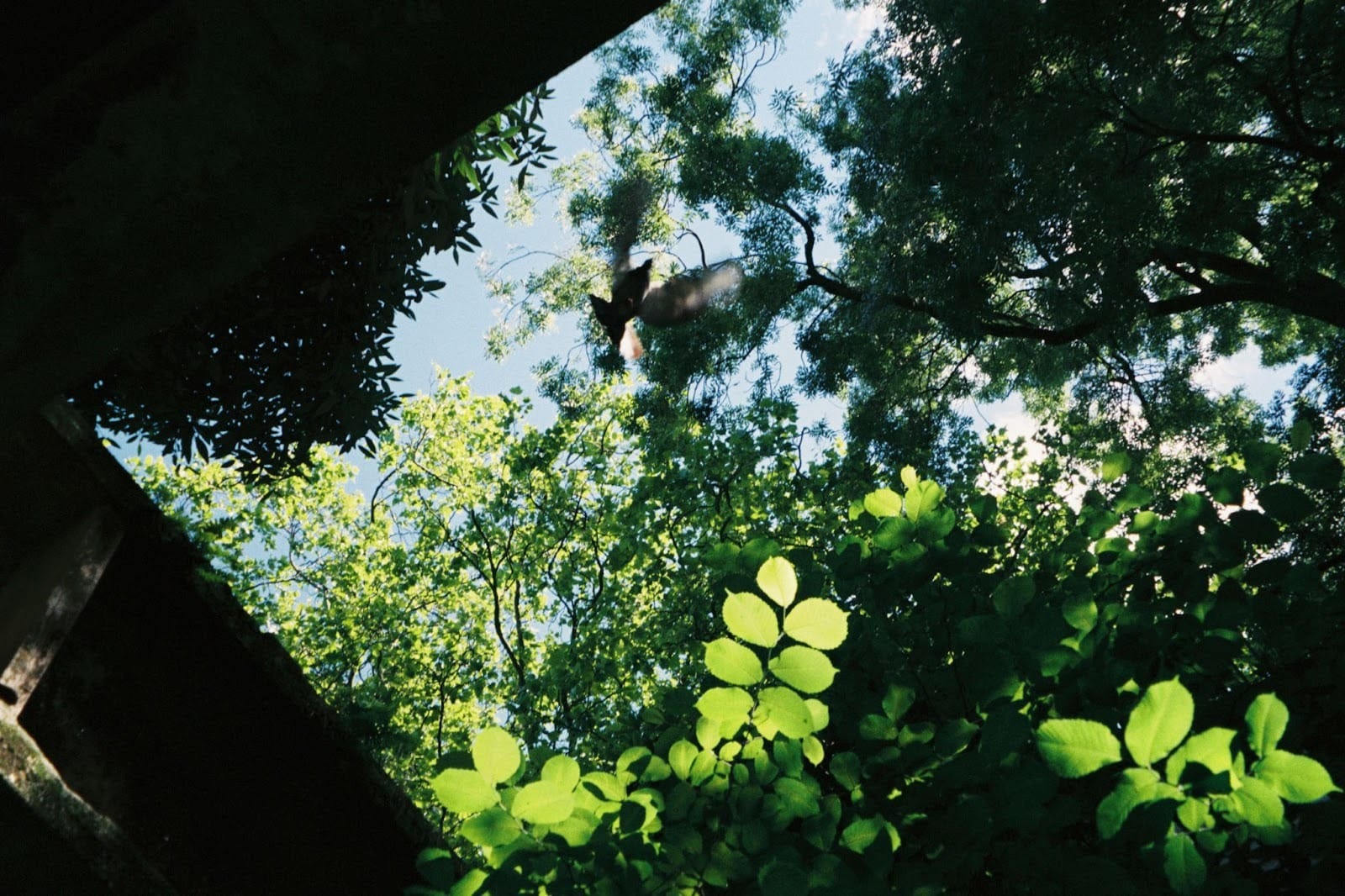
Many years ago, when you could still easily access the railway line underneath the Botanics, Robbie snuck onto the old platform on a summer’s day, with a camera and some 35mm film. He left the reel undeveloped for years, so was surprised with the results when he took it to Gulabi recently, including this one of a startled pigeon.
Send us your photos! As the year slowly gets brighter, we want to introduce a new part of the briefings to start seeing Glasgow through our readers’ eyes. Picture of the week. Send us your snaps. Anything, anywhere, any camera. Just let us know where you took it and any accompanying info you’d like to share and we’ll pick the best ones for the briefings. Send photos to editor@glasgowbell.co.uk
From Editor's inbox:
Last week’s dispatch from Knightswood contained some hopeful nuggets, which reader Raj appreciated:
Sometimes I can get depressed at the apparent prevalence of hate that has become emboldened over the last several years. Stories like this remind me that those are still very much the minority and that people really do come together to help each other out, and refugees really are welcome here ❤️
Re:view: Mother India’s Cafe
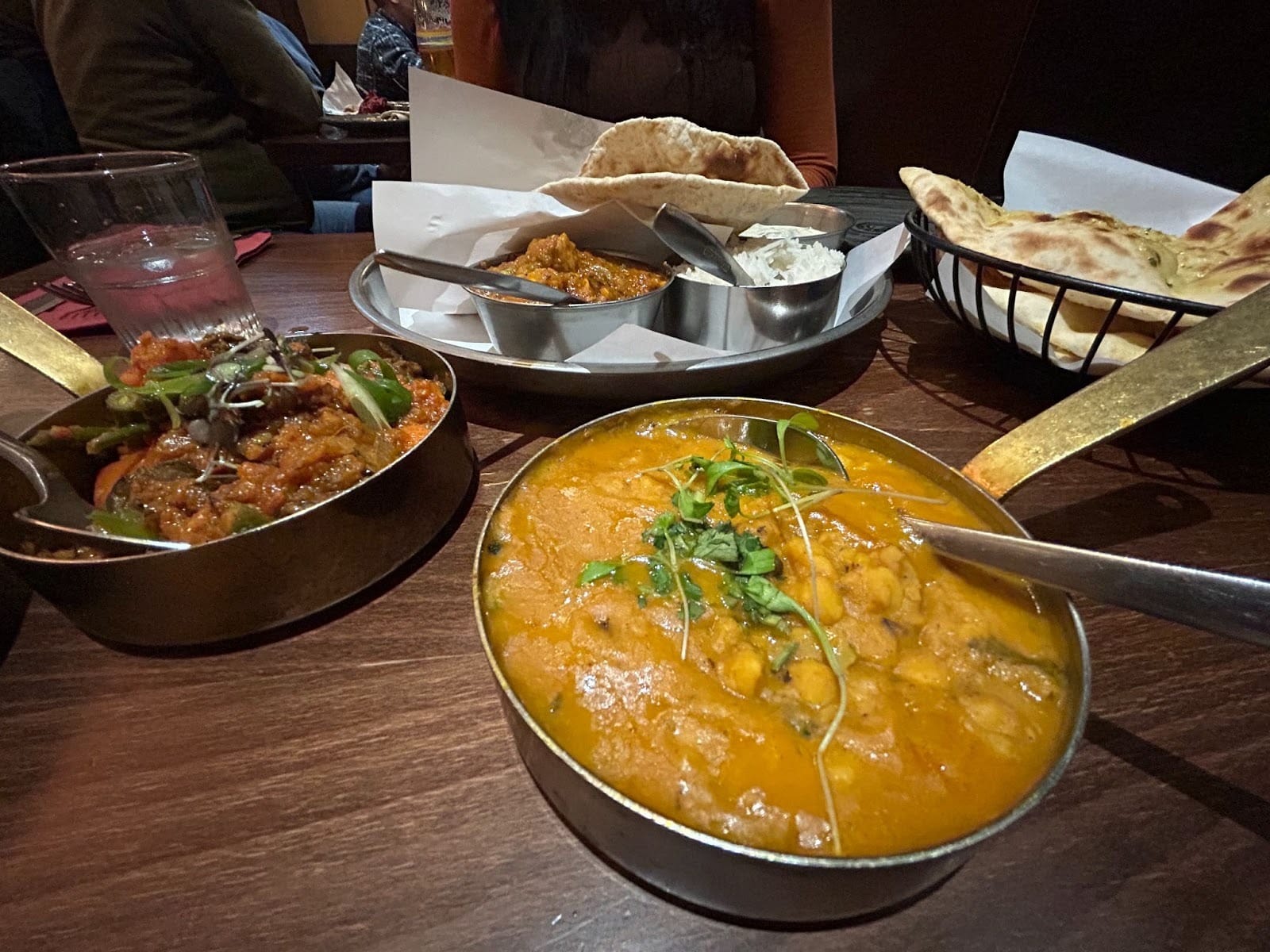
I sank into a dark green banquette at an Argyle Street institution recently, leaning back to admire the framed pictures on the tiled walls (even if a portrait of my old boss did momentarily startle me). I was there with a Devon-based colleague visiting Glasgow who’d heard great things. I hadn’t been in years, so I was slightly anxious it wouldn’t meet expectations — especially as the restaurant changed hands in 2022. I ordered a chana daal, and smoked aubergines with sweet potatoes, while she went for chilli garlic chicken. The daal was reliably good, like a warm desi-style hug, but paled next to the bold flavour of the smoked baby aubergines. The chicken, fortunately, did not disappoint either. One crit: I am informed my dining partner’s garlic naan was a letdown. Still, the cafe retains its place as one of the city’s great culinary stalwarts.—Robbie
Glasgow Calendar: Free family ceilidhs | Celtic Connections
As we enter the last week of Scotland’s folk mega-festival, your wallet may be feeling a bit light if you’ve attended some of its 300 events. But fear not, for there are still three free family-friendly ceilidhs happening across the city, soundtracked by musicians Celine Donaghue, Claire Francis MacNeil, and Ruairidh Gray. The ceilidhs will be in Knightswood, Barmulloch, and Castlemilk. Free; though booking is necessary. Various times and various venues.
Also on:
- Young people and fake news, a discussion with The Ferret | 1pm Saturday 31 January | Free | The Mitchell Library
- RURA with Ímar and Staran | 7.30pm Wednesday 26 January | From £20.54 | Royal Concert Hall
Enjoyed this Monday newsletter? Did you know that by signing up for free, you can get two editions from The Bell every week, straight to your inbox. That's a Monday briefing, like this one, and an in-depth weekend read, every week, for free.
Would-be commenters, your attention please. In semi-exciting news, The Bell is using a new system for commenting on our articles. While our software magically talks to the old system and transfers over previous comments, some will disappear. The new system is now operational, and we expect to see the old comments restored in the next week or so.
If someone forwarded you this newsletter, click here to sign up to get quality local journalism in your inbox.