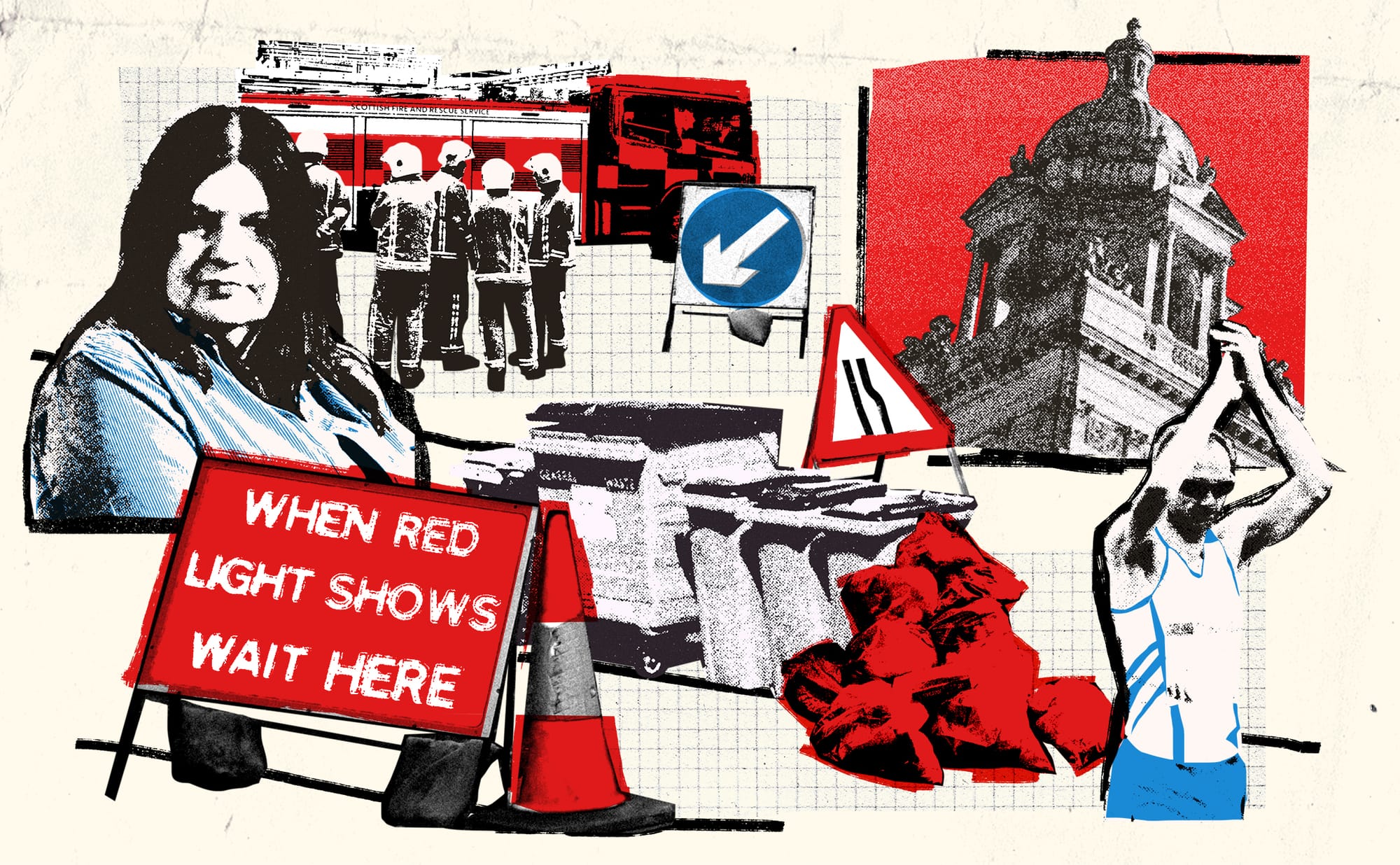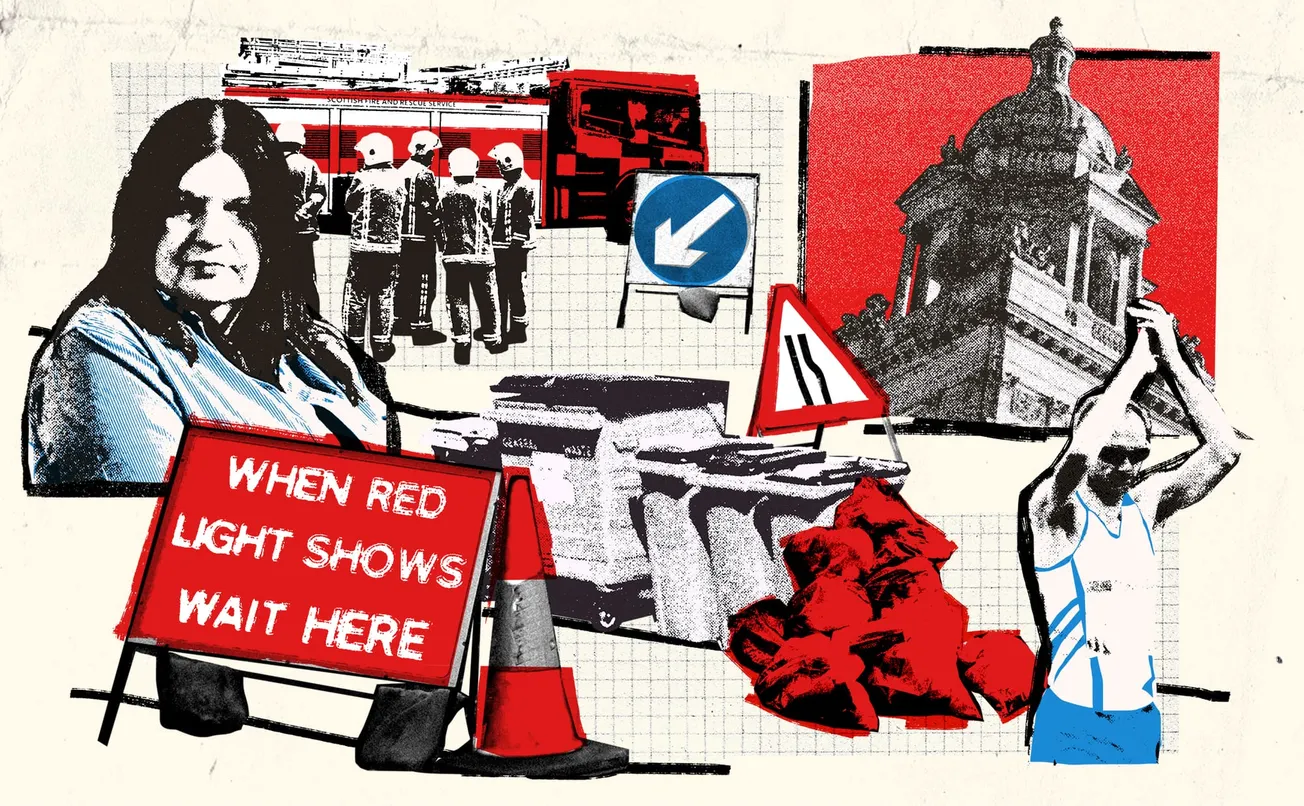
“I’m confident the city is in a better place than it was when I became leader in 2017.” Those were the words of Susan Aitken in an interview with STV last week as she stepped down after nine years as leader of Glasgow City Council. Interviewer Ewan Petrie pressed the SNP councillor on whether the city centre was safe, to which Aitken said “I do believe Glasgow is a safe city, but… like all other cities, [is] experiencing and seeing these similar types of increases” in sexual crimes and anti-social behaviour.
Inevitably, there was kickback. The Daily Record’s deputy political editor penned a scathing piece criticising the SNP for not facing up to Glasgow’s glaring social inequalities, replacing critical thinking with “fixed grins and forced optimism”. The Scottish Daily Express ran: “Rising rapes and crime but SNP leader Susan Aitken claims Glasgow is a 'safe city' and better than nine years ago”.
The least reliable measure of how Aitken’s statement went down is on STV’s Facebook post of the interview. Reacting to her claim that Glasgow is safe and better than in 2017, 620 people laugh-reacted 😄, 139 angry 😡, and a measly 44 thumbs-upped 👍. Someone even commented that you could tell it was mushroom season as Aitken had “been on the liberty caps”. Beyond press or online reactions, much criticism has focused on the general declinism that many in the city feel. But is this borne out by statistics?
Did Susan Aitken make Glasgow better?
Regardless of what you think of her, given that none of her predecessors lasted over five years in the job, Susan Aitken’s nine years at the top probably make her Glasgow City Council's most significant leader since its inception in 1996. But was she its best, worst, or somewhere in the middle?
Instead of looking at anecdotal or circumstantial evidence of her claim that Glasgow is “in a better place” now than in 2017, let’s use data. We’ve kept it simple, choosing metrics that are easily attributable to council policies — although nothing exists in a bubble. How much has spend on environmental services changed in nine years? What about Glasgow’s schools? And on the famous council budget, how has she navigated the equal pay claim, austerity, Covid, and the cost of living crisis? Here are the graphs that tell her story.
Education
When the SNP swept to power in 2017’s local elections with Aitken as its leader, there were two secondary schools under Glasgow City Council’s management that were ranked in the top 50 in Scotland. Hyndland Secondary School and Glasgow Gaelic School were both performing well despite having a much higher number of pupils from deprived backgrounds than their immediate peers. (Of course, the freakish performance of Jordanhill meant it was number one then and still is now, but it gets its money from the Scottish Government, unlike the vast majority of state schools, so is an outlier.)
In the 2026 Scottish school rankings, Glasgow now has four non-Jordanhill secondaries in the top 50: Glasgow Gaelic School, Notre Dame High School, Hyndland Secondary School, and Hillhead High School.
This is reflected in the number of high schoolers gaining 5+ Highers (SCQF level 6), the standard measurement for school attainment.
Hi, Calum here. I quite like doing data pieces once in a while. Sometimes, the cold truth of numbers are required to understand a topic. We've done in-depth data analysis of Glasgow's economy, Govan's outsized contribution to it, house and rental prices, and we want to bring you more.
They are time consuming (I'm currently typing this at 9.10pm), and sometimes we'll commission data visualising professionals to help. This all costs money, and it's why we charge for The Bell's very best journalism.
Join today and you'll help us do more great data pieces. Plus, you can find out what our street cleanliness score is and which giant cut has affected it.
Glasgow deserves great journalism. You can help make it happen.
You’re halfway there, the rest of the story is behind this paywall. Join the Bell for full access to local news that matters, just £8.99 a month or annual deals with two months free.
SubscribeAlready have an account? Sign In