Morning readers, we hope you enjoyed your weekend, ventured out in the sun and avoided the worst of the rain. Robbie did both, and is still drying off his clothes and boots from an exceedingly damp forage around Stirlingshire. Beth was indulging culinarily yesterday before a new fitness regime. Calum was ranting and raving about Man City mainly, as well as performing at a friend’s wedding.
Autumn’s a fine old season, isn’t it? We’ve got a lot planned at Bell HQ, so stay on top of your inbox if you don’t want to miss any of the exciting developments, starting with our event on 15 October. More info below.
Onto your briefing.
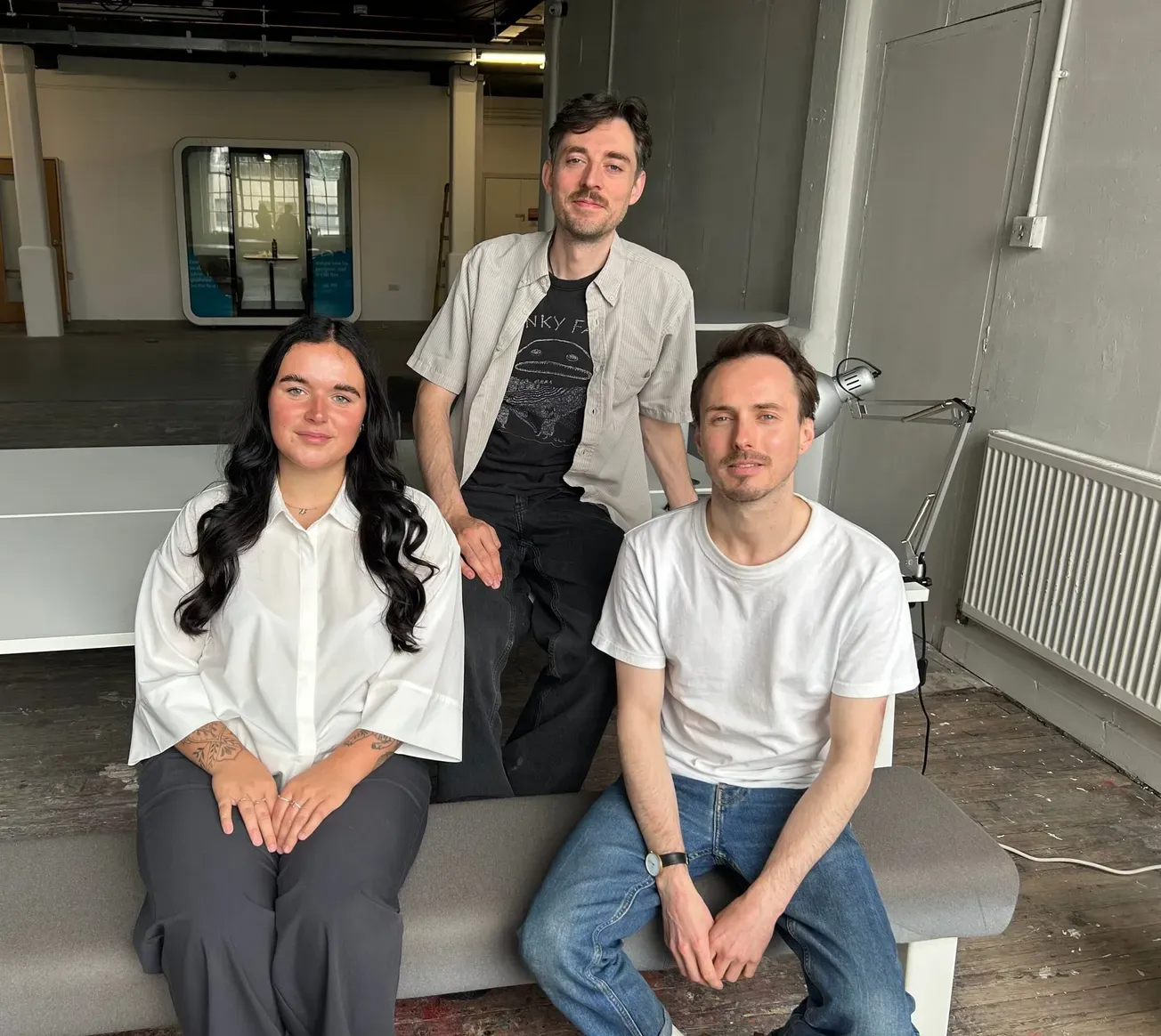
Just like our panel event in June, tickets for October’s discussion on whether Glasgow is on the up are going frighteningly fast. We’ve sold nearly 200 already, meaning there are fewer than 100 ticks remaining. The panel so far includes Darren McGarvey, the author, musician and journalist; Emily Cutts, CEO of pioneering youth charity G20; and Andrew Hoolachan, a senior lecturer in urban and regional planning at the University of Glasgow. Plus, it’s at Drygate Brewery, which will be fun.
Paying members have a tasty discount, bringing their tickets to just £4.
Full price tickets are open to everyone at £8.
💸 Glasgow’s equal pay reaches new stage
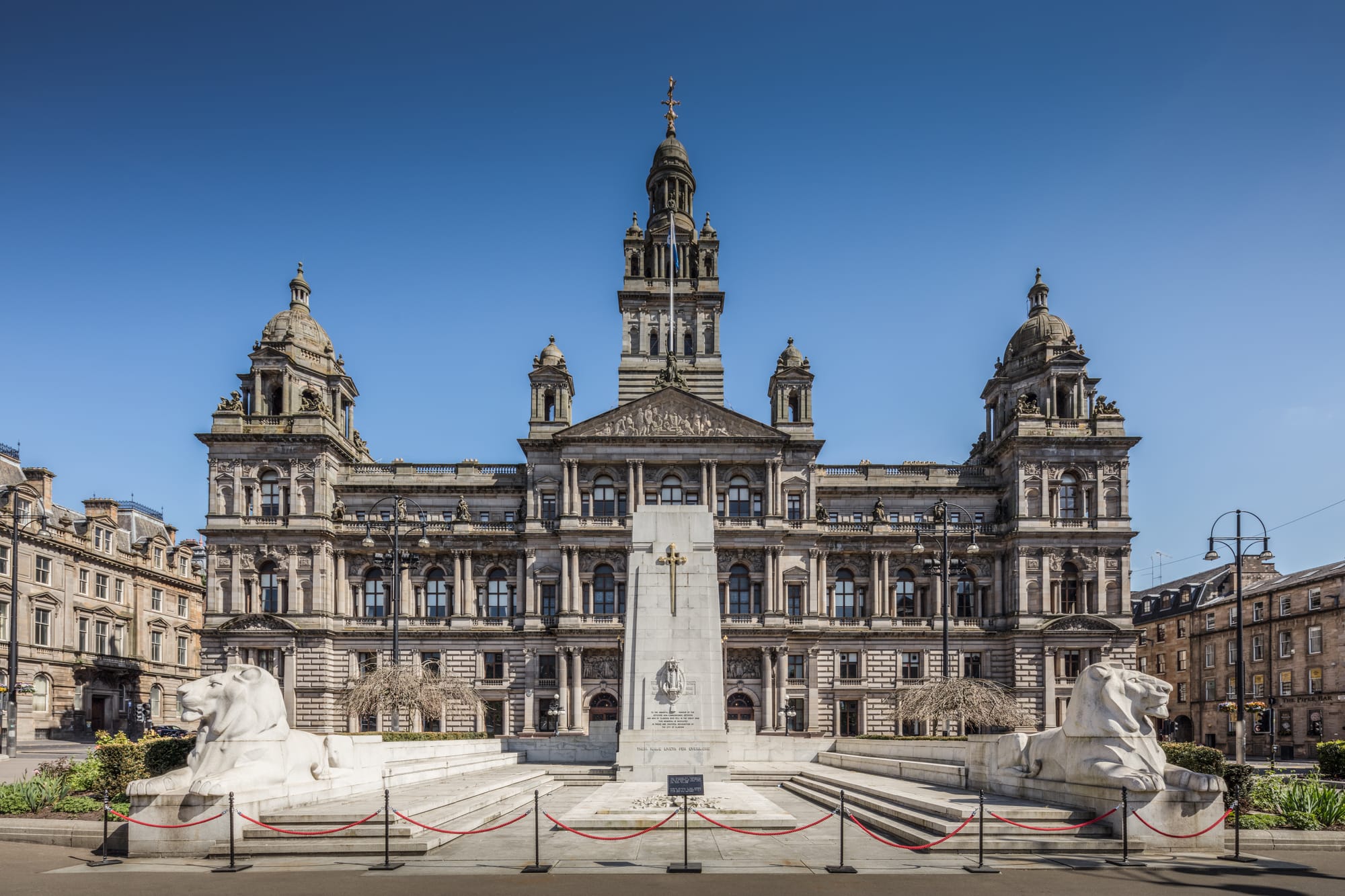
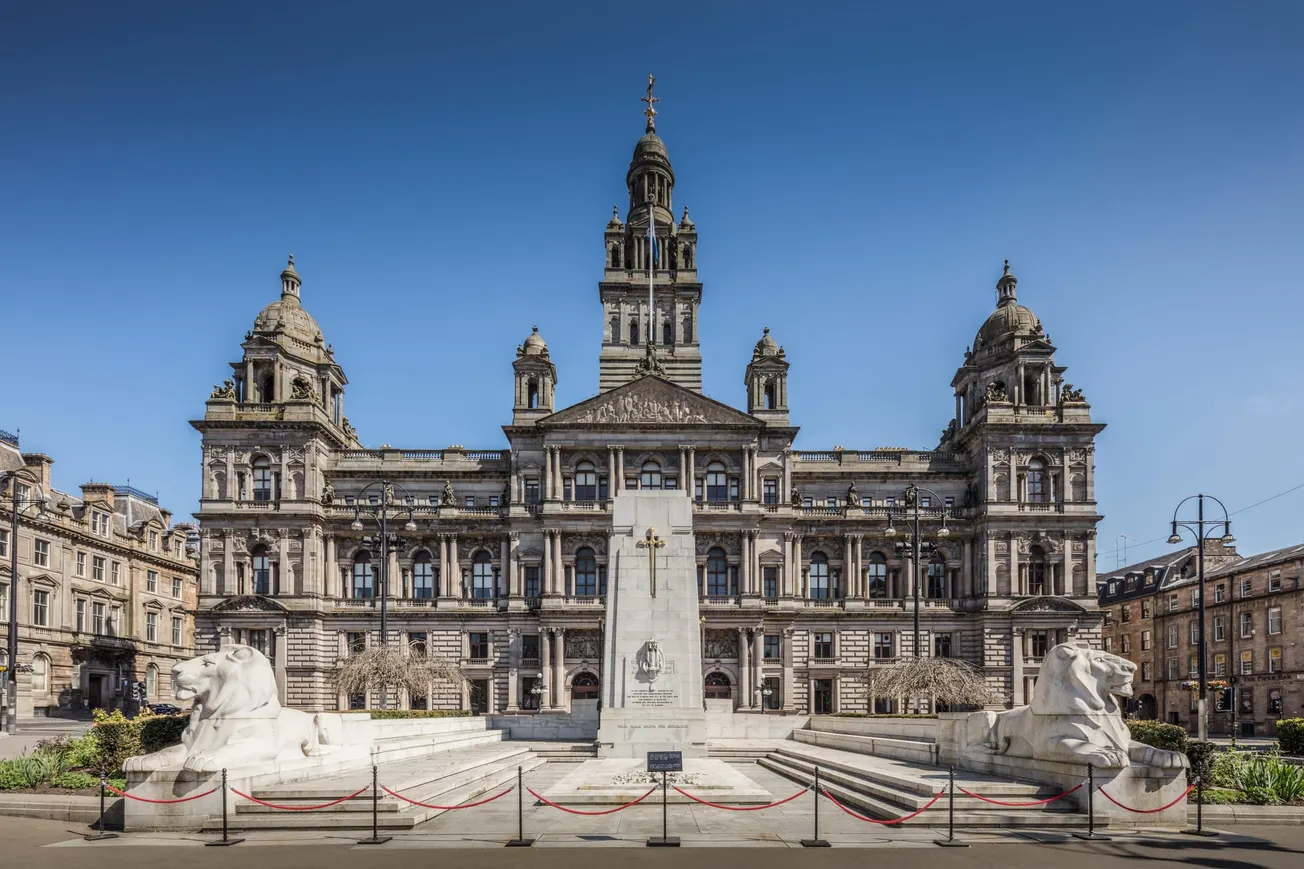
In August, Glasgow City Council staff were offered a new pay deal which included pay rises for many, and pay cuts for some. Unions weren’t happy. Negotiations continued until, last week, a dramatic climax: a union pulls out of talks, the council responds by informing 23,000 staff that they’d be “dismissed and re-engaged” in a skin-crawling euphemism for ‘fire and rehire’. It’s “mare than kicking off, a union member told The Bell on Thursday. On Friday, a Scottish Government intervention paused the council’s plans in yet another last-minute development. So what happened with Glasgow’s equal pay proposals, and what will happen next?
R-r-rewind
Glasgow’s equal pay saga isn’t new. For years, predominantly female workers in jobs such as cleaning, catering and care were paid less than workers in predominantly male roles which were judged to be of equal value. That eventually resulted in a legal battle and around £770 million in settlements being paid out to workers. You can read our previous coverage on this here and here.
Last month, a new 12-level pay and grading structure was approved by the council. However the change, which will be implemented from April 2027, means that around 11% of staff would be worse off under the new arrangements.
This story is free to read. You just need to sign up to join The Bell's mailing list. And why wouldn't you? You'll get our journalism in your inbox the second we publish, keeping up-to-date on this and all our stories. No card details required.
Already have an account? Sign In