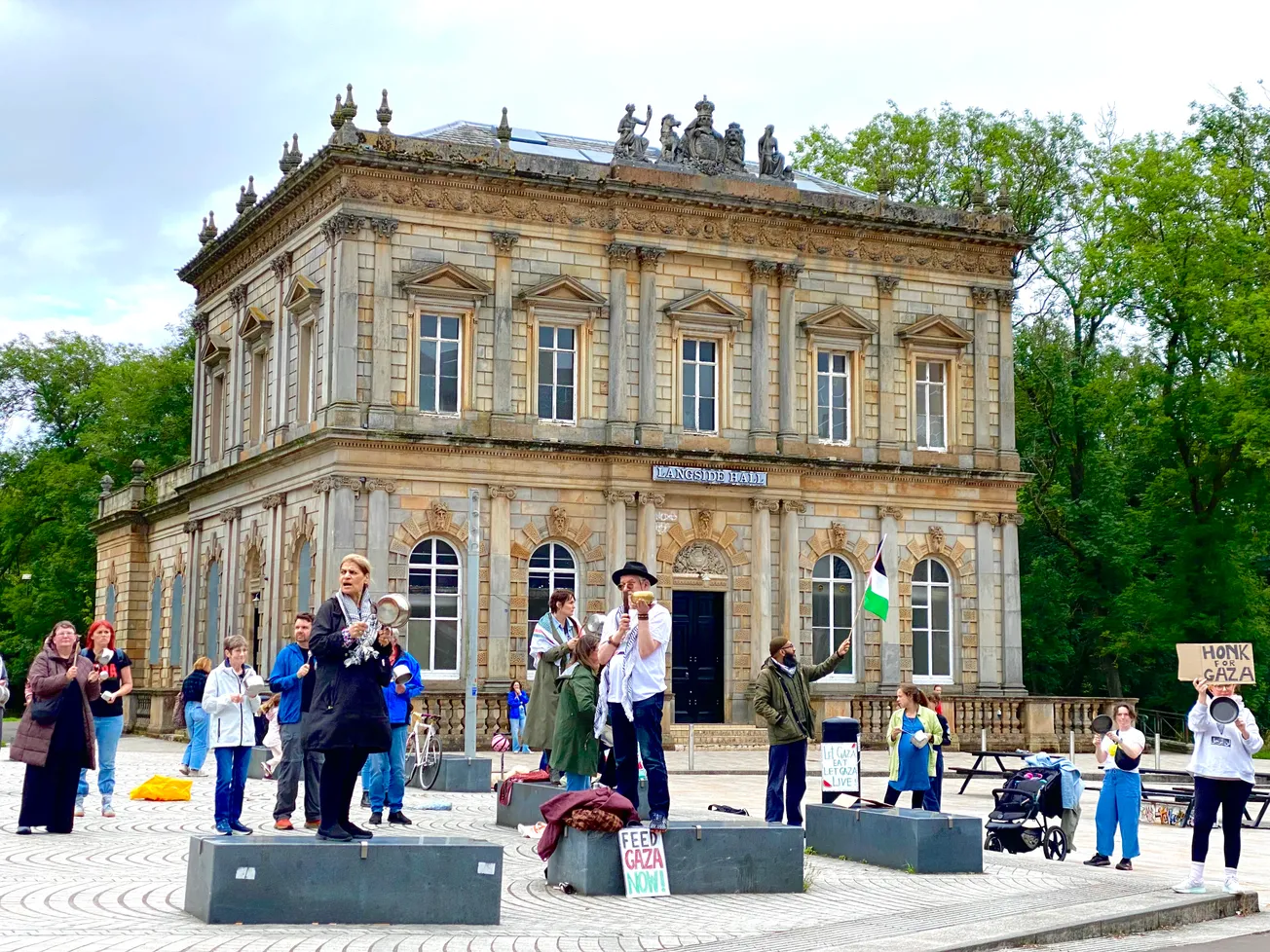
After a decade of bad news, Langside Halls finally catches a break
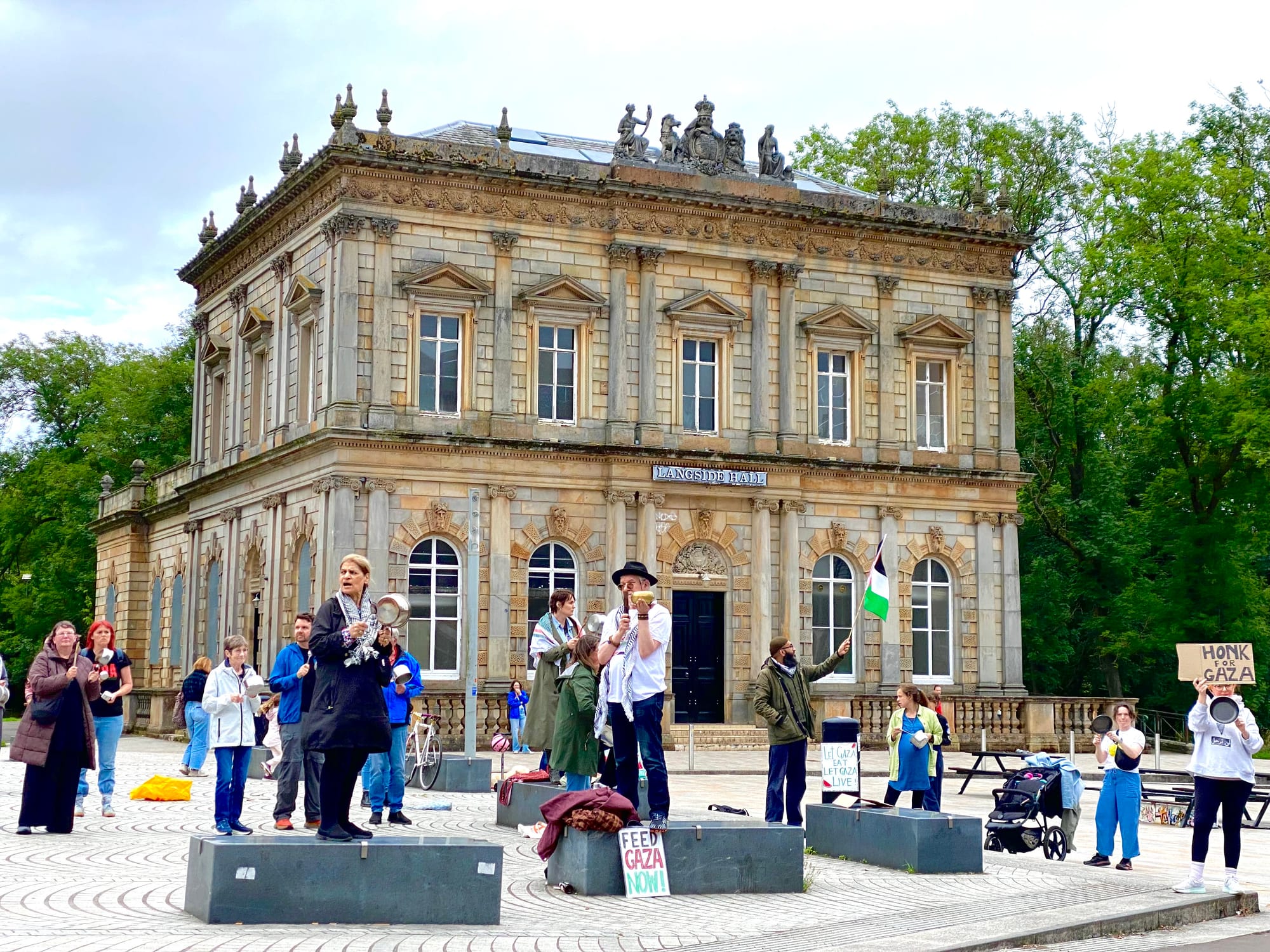
Something of a jewel in the crown of the Southside’s built environment, the A-listed Langside Halls does not lack history. It once hosted John Maclean at the height of the Red Clydeside movement (he was arrested outside four times), not to mention Sylvia Pankhurst and the Smetana Quartet of Prague (not on the same night, admittedly). In short, it has played a key role within the community since the National Bank of Scotland’s Queen Street Office, built in 1847, was dismantled stone by stone and moved to Shawlands in 1902. In more recent history its rooms were used for exhibitions, concerts, parties, fairs and weddings. Why then, has it been shut for coming on a decade?
The halls are managed by Glasgow City Council and Glasgow Life. For the past 40–50 years, the building has seen little investment. After the heating system failed, Langside Halls closed in 2017 to allow essential repairs to be carried out to the building. Repairs included the replacement of the boiler system, wind and water tight repairs and minor upgrades to the basement toilets and reception room. During the repairs, asbestos was discovered, further stymying reopening. It was later discovered that due to the deterioration of the fabric of the building, none of the rooms on the upper level were safe for hire. It has lain empty since, becoming blighted by graffiti and vandalism. In 2019, after the £100,000 boiler was installed, reopening was postponed after it was discovered there was no working gas supply. At the time, serious deterioration since its closure in 2017 was reported, as well as water damage to the upper floors. The scaffolding was removed in May 2021, but the building has remained closed, further deteriorating. Stonework has been damaged or destroyed by vandals, windows smashed, and a thick patina of graffiti now covers its northern facade as well as much of the rest of the building. In August 2024, it was placed on the Buildings At Risk Register. Last year, a further £300,000 was awarded for refurbishment, but by the start of this year, despite increased security measures, the exterior (if not the interior) of the building looked to be in worse condition than ever.
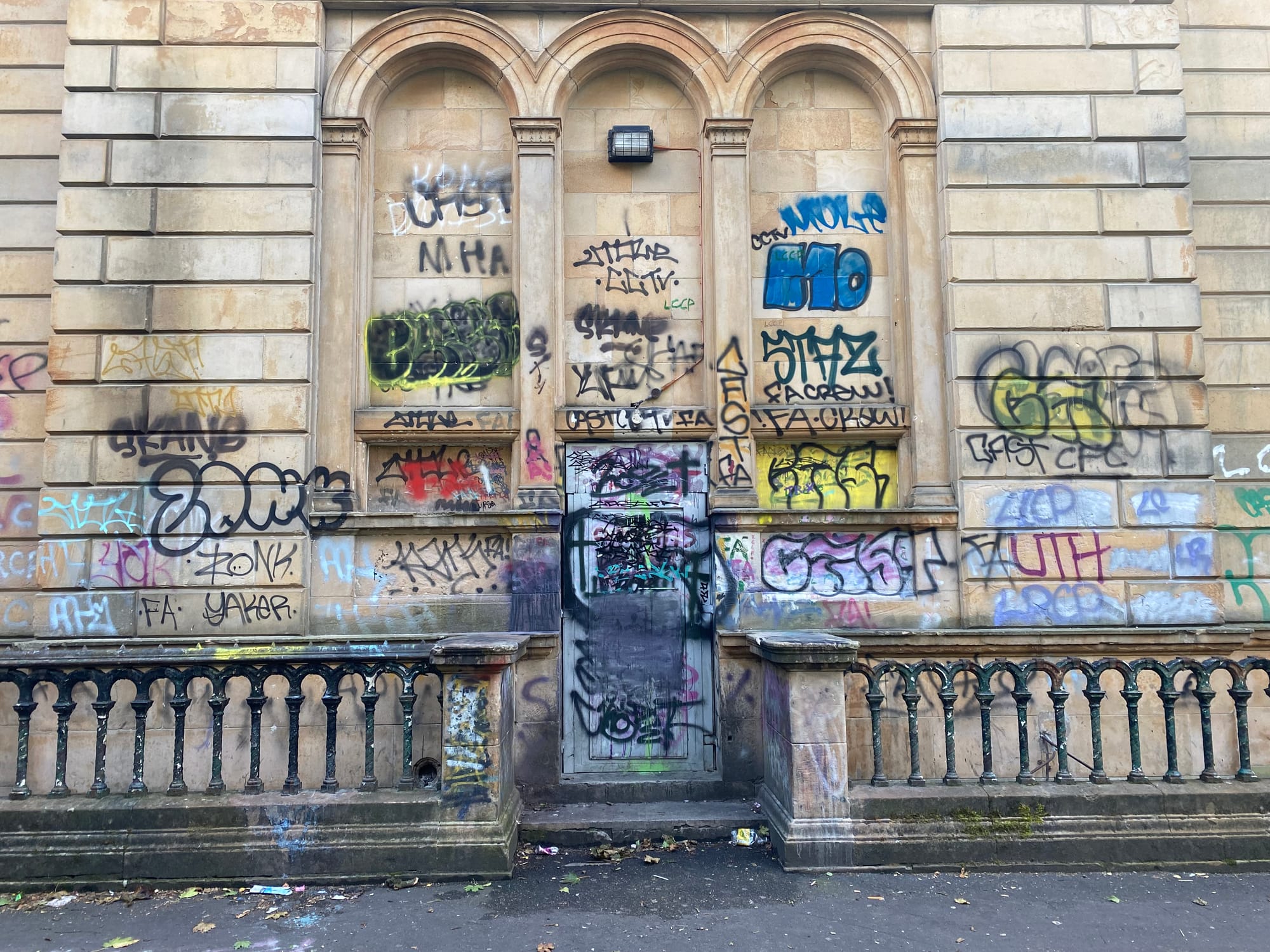
The Bell can reveal that a total of £1,019,429 has been spent on Langside Halls since its closure in April 2017. Just over £700,000 of this is accounted for by capital works, which typically includes major structural and fabric repairs. The rest has been spent on security, utility bills, and reactive and planned maintenance. So where does the good news come in?
Enter the Langside Halls Partnership. Langside Halls Trust (which was created by Kevin Kane in 2013 to safeguard the future of the dilapidated building), has been working behind the scenes with Glasgow Building Preservation Trust (GBPT) and Inhouse CIC to finally reopen the building by late 2026/early 2027.
Glasgow city council has allocated £500,000 towards initial works and supporting the partnership to take on the building in the form of an initial lease or license through the council’s People Make Glasgow’s Communities (PMGC) initiative. The partnership plans to reopen Langside Halls as a venue that hosts film, theatre, spoken word, comedy, visual arts, and community events.
The future’s far from certain for the jewel in Shawlands' crown
While this is obviously welcome news for the people of the Southside, the path ahead for Langside Halls still looks a little rocky, financially. In 2024, a trustees report for Langside Halls said Glasgow city council estimated that £5–£6m would be needed for work such as water ingress, repairs to electrical systems and asbestos removal. Even accounting for the £700,000 already spent on capital repairs and the £500,000 boost, millions more in funding will be needed to ensure the building’s long-term future. For now, the half million will help the LHP get the halls back open.
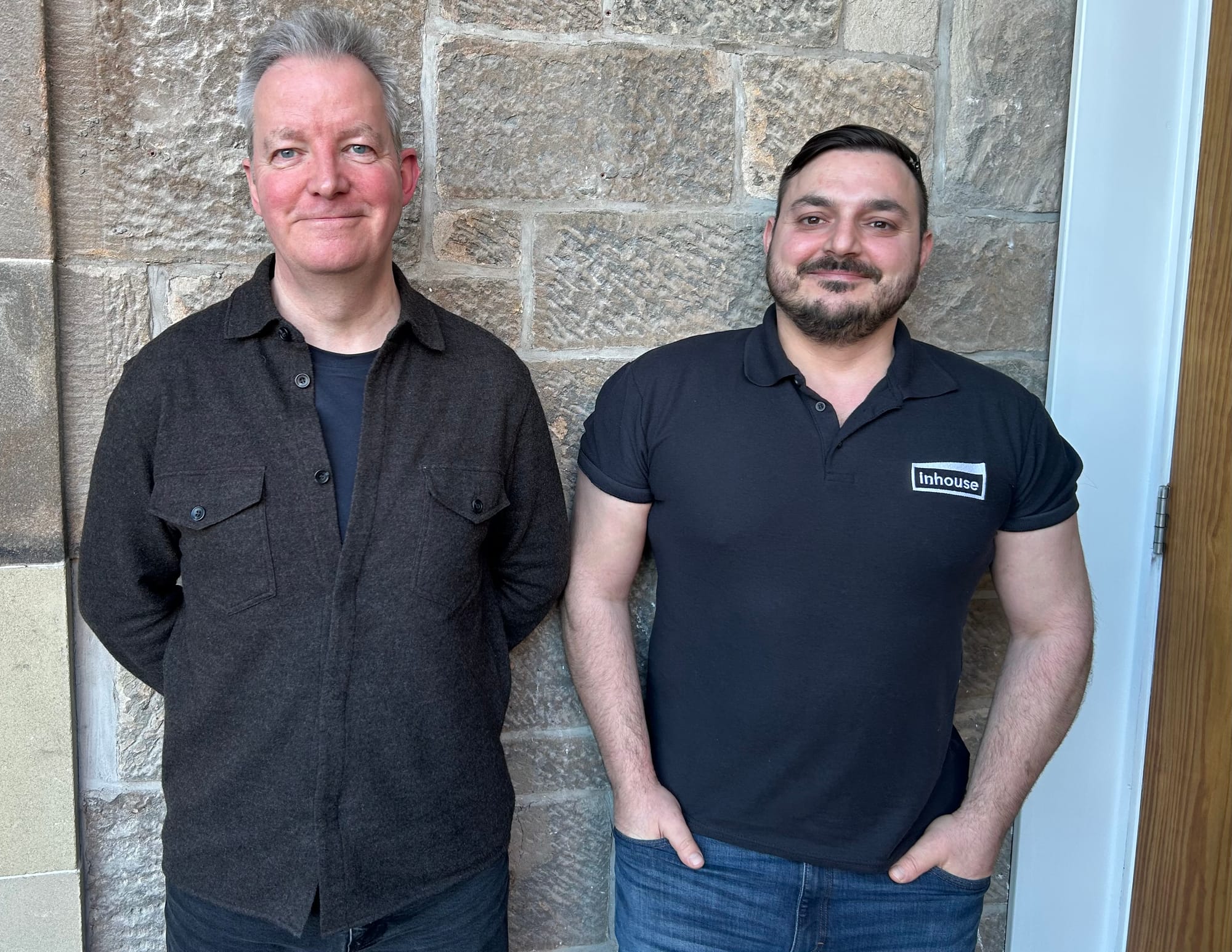
The Bell met David Cook and Çetin Çapkiner recently to hear more about the plans. “It needs a lot of money over a period of years for the walls, the roof and the windows and everything else, but if we can get in and get the community back in and build the case for it … Money has been made available, and we are now ready to really crack on,” Cook told us. “The idea is that we can utilize this space and have proper professional level entertainment,” says Çapkiner, as well as community events. Despite the challenge ahead, the pair beamed proudly throughout the meeting.
On a recent walk past Langside Halls, security measures had been beefed up, with an exclusionary hoarding with spikes put in place as a deterrence. Yet one issue remains; for years the back of the halls have become a popular spot for young people to hang out at night. One graffiti writer in particular, ‘Cast’ from the prolific FA Crew, has been on a self-appointed mission to inflict maximum damage on the building in recent years. The Bell tracked down the founder of the FA Crew, who agreed to speak to us anonymously. While the founder has their own set of rules — “I won’t hit religious buildings, private housing, A-listed buildings; I don’t want to ruin someone’s quality of life” — other members of the FA Crew “tagged it a bunch” out of “ignorance”, because “they were bored”, they tell us over the phone. The FA’s head honcho has been trying to impart some wisdom on the more anarchic, younger members of his crew. “I try to put morals into them … It’s important to be a good graffiti artist but more important to be a good person.” On ‘Cast’, they say, “he is wild but he has a good heart”. Later, they drop The Bell a DM, promising to “tell the bois not to paint it”. “If anything,” they say, “[I] wanna see what they do with it”.
Enjoying your Monday briefing? You can get this and a weekend story from The Bell totally free every week by signing up to our regular mailing list. Over the last week, more than 1,500 people signed up to The Bell for free after seeing how deeply we report on local issues. None of them were asked for their card details.
Just click the button below. No cost. Just old school local journalism.
Glasgow in Brief
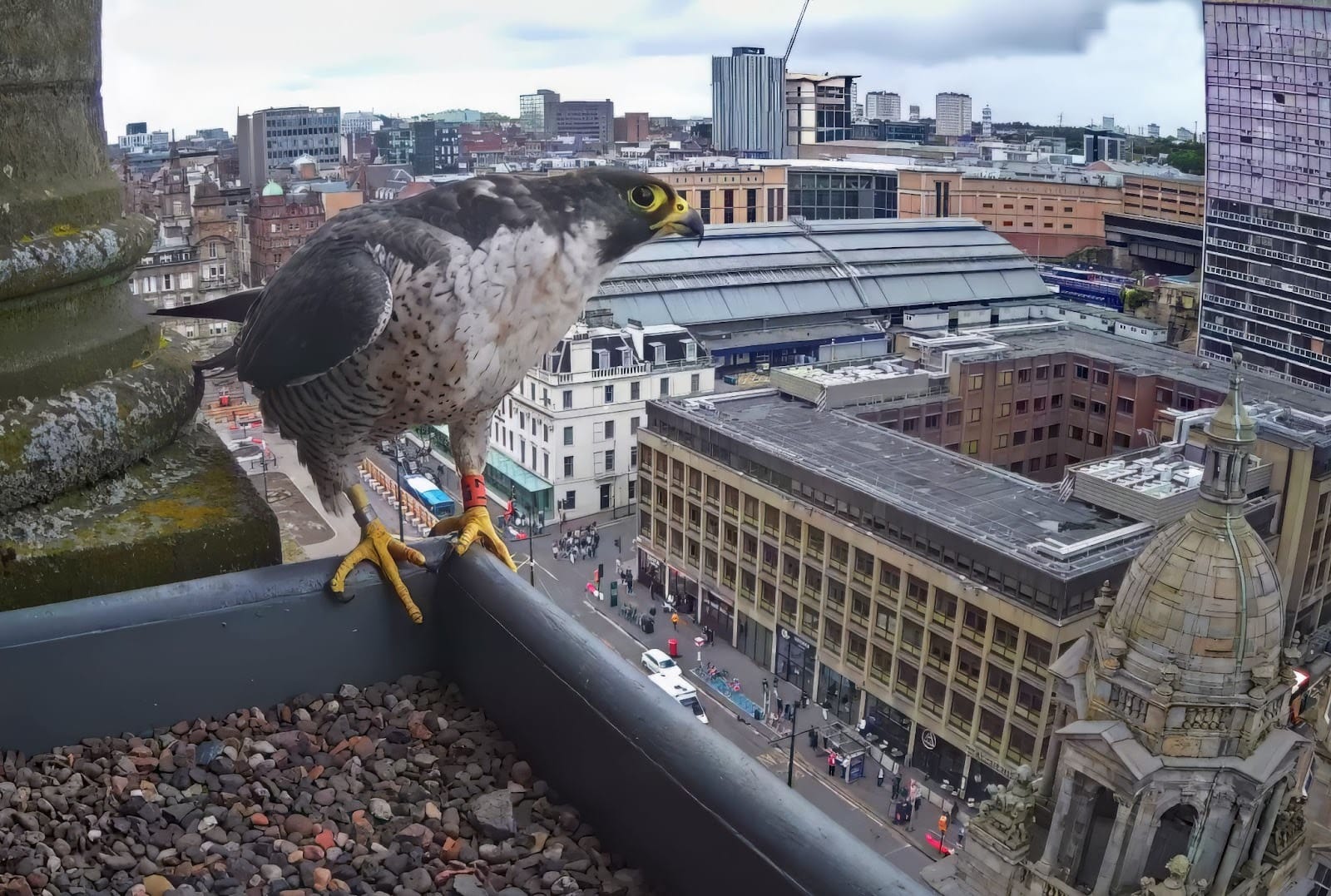
🦅 Two peregrine falcons have swapped their student cards for council lanyards. The pair, which we wrote about back in May, were at the centre of a bit of a falling out within Glasgow’s birding community. In 2022, the birds nested in a specially designed peregrine box on top of the Gilbert Scott building at the University of Glasgow. But now, the man who first spotted them in the West End has confirmed to us that the falcons have moved to an enviable city centre location. Steven McGrath was given permission by the council to install a similar peregrine box on the City Chambers, to see if a new pair could be attracted to nest in the city. As we approach spring, McGrath says the nesting displays the couple are exhibiting suggest they may lay eggs in their new home, which “ticks all the boxes” as a safe vantage point for the predators. He’s been documenting their displays on his Facebook page, and is something of an avian photography whizz.
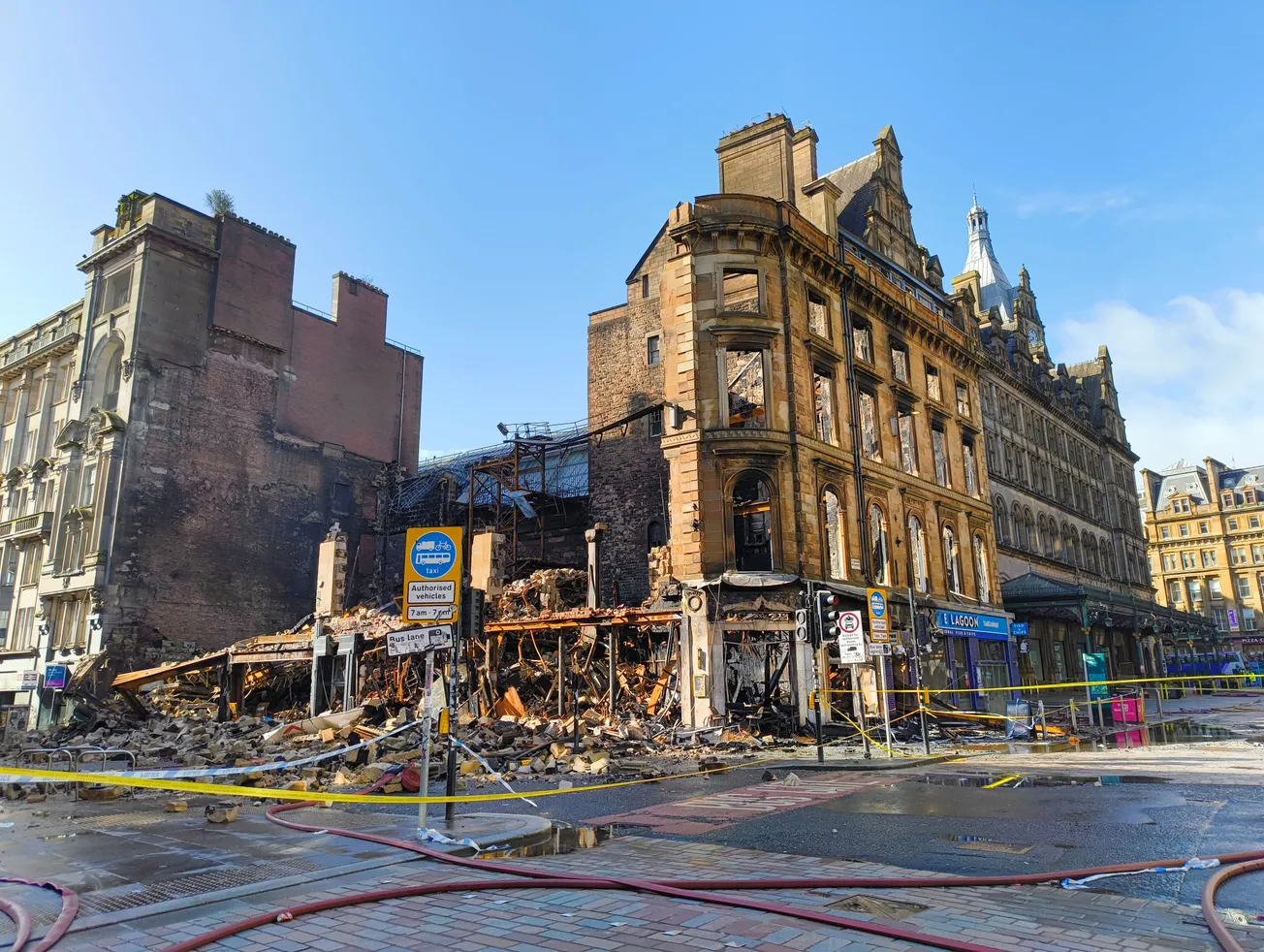
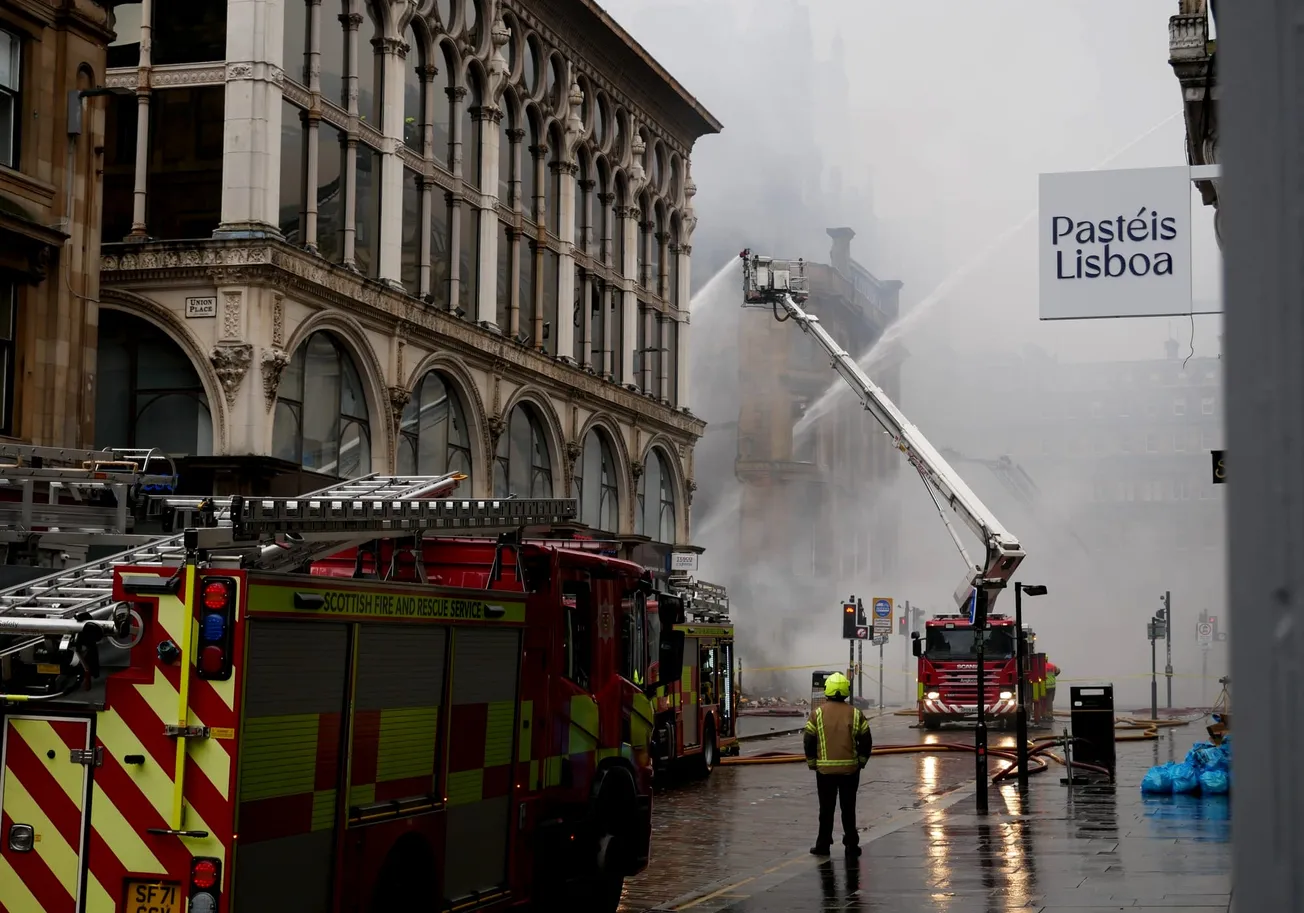
🏚️ We’ve been trying to take some morsels of hope from last weekend’s destructive fire, although it’s not easy. At the SNP’s spring conference, first minister John Swinney put some wind in Glasgow’s weatherworn sails, announcing a financial package worth up to £10 million to help the council, businesses and agencies rebuild and renew Union Street, as well as £1m to clear the Union Corner site. A common plea is that this all leads to greater care and powers to protect our heritage buildings. Glasgow City Council leader Susan Aitken is attempting to get the city back on the front foot. Speaking on BBC Scotland’s the Sunday Show, Aitken said councils currently have “very limited” powers, and would like to see them bolstered in order to, in part, crack down on neglectful landlords. Perhaps Glasgow’s long struggles with caring for our historic buildings will finally receive the attention it needs.
Stories you might have missed:
🍺 Football fans will be able to buy alcohol at Hampden Park | Glasgow Times
🚇 Commuters can use contactless payments for Glasgow subway | BBC News
🥕 New plans hope to bring food and drink market to the Broomielaw | Glasgow Live
Read/listen/watch: Scotcast, Glasgow fire
In a bit of shameless self-promotion, The Bell was invited onto BBC Scotland’s news discussion podcast to chat over the issue of fires in Glasgow. Calum joined The Ferret’s Karin Goodwin on the Beeb’s plush armchairs to chat through matters of council powers, property ownership, and the famous Glasgow fires conspiracy theory that he wrote about last June.
Catch up and coming up:
- In a breathless week of fire-related news, we brought you a Monday afternoon recap of everything we knew so far on the fire. On Thursday morning, Moya and Robbie managed to piece together the odd ownership puzzle at the centre of the blaze.
 The Bell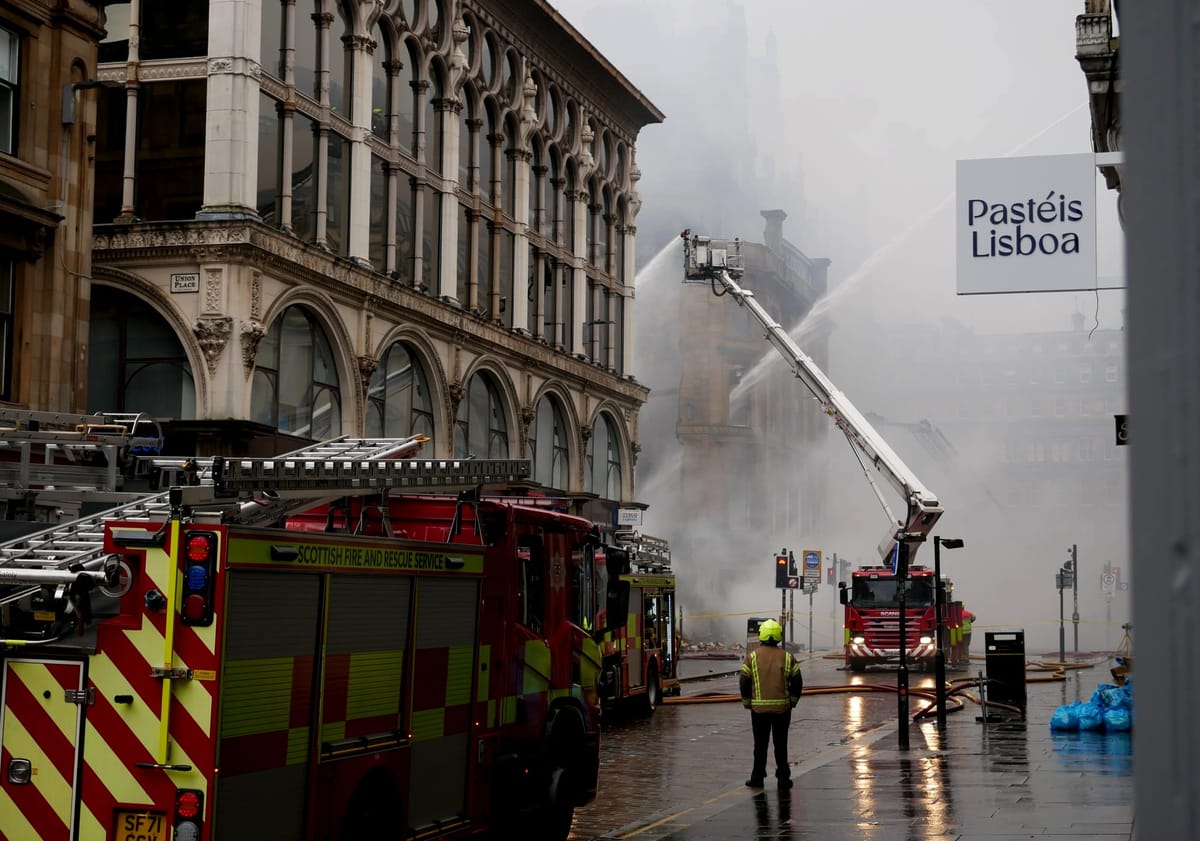
 Moya Lothian-McLean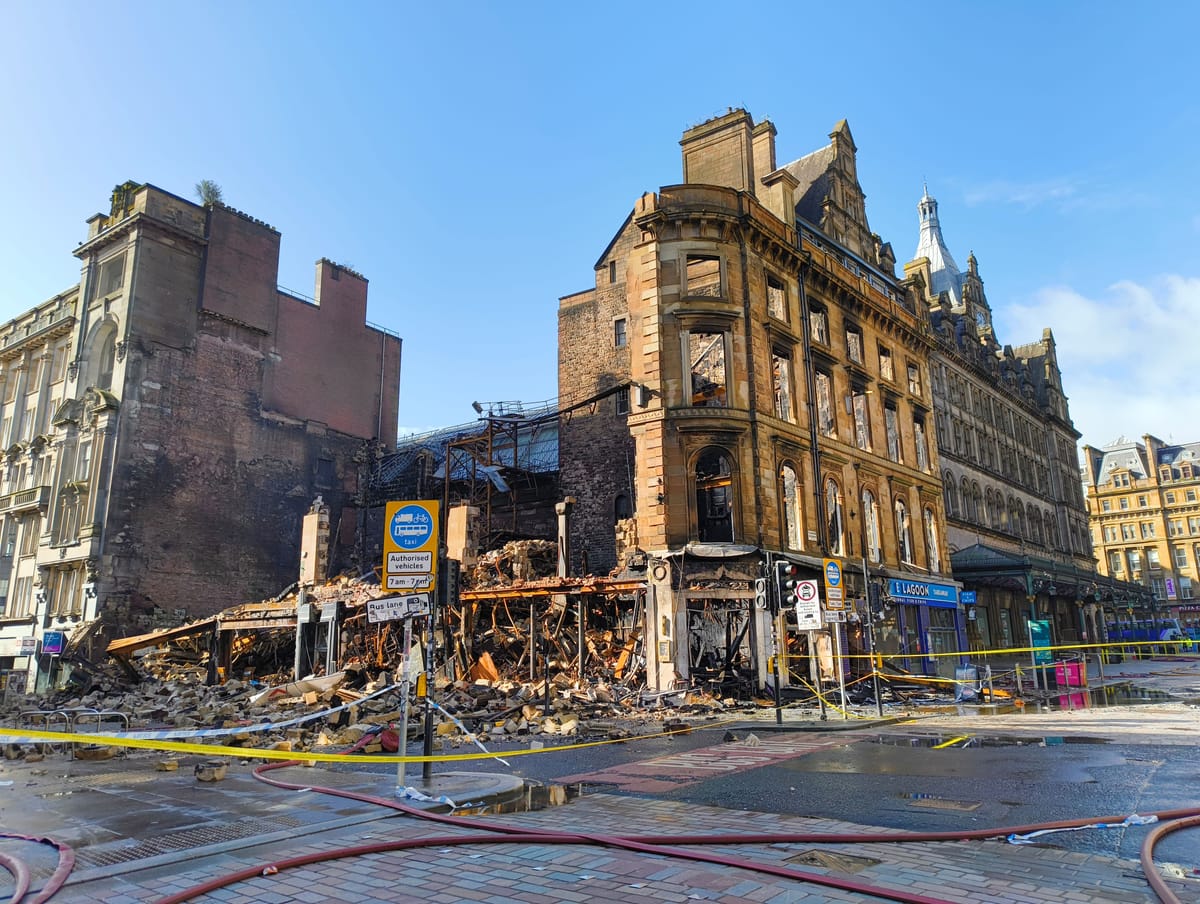
Then, on Saturday, we put a human spin on the story, showing a side of Union Street that often gets lost in the jokes about drug dealing and Four Corners chaos.
 Calum Grewar
- Coming up, we’re hoping to bring you the next story in our recent investigation that also links to unpaid business rates, except this one is less fires, more sawn up Mini Coopers. And the weekend read might just make you question everything you know about canine intelligence and evil spirits.
From the editor’s inbox
We’ve had loads of comments from readers sharing their dismay for Union Corner. But a few messages shared decades-old memories from the building and Union Street that were nice to read:
“I started my working life as a shorthand typist with a firm called Peacock & Henry, Accountants which was located there and have very happy memories… It was in a club there I first heard Lulu sing.” — Frances Zante
“I have fond memories of hanging out at Bruce’s Records and Listen [sic] further up the road as a teenager, and I had a summer job in Dixon’s, which sat on the corner decimated by the fire.” — Alan Meldrum
“[T]he Bell's journalistic style reminds me of the New Yorker, which is kinda cool for Glasgow!” wrote MM. “The Bell smashing it again by taking the time to bring out the human stories and local history that bigger news headlines are rooted in,” said one Bluesky user.
“This is excellent reporting by The Bell. I don’t know how that small team does it. Must be exhausting writing so much and trying to keep the quality high. Hats off to them,” Peter Ross, author of Upon a White Horse, wrote on Bluesky. The Guardian’s Libby Brooks also praised our “brilliant reporting”. We blush!
Re:view - Satu Satu, 93–97 St George's Road

I’ve had my eye on Satu Satu for a while as a potential Humble Yum™ eatery. The Malaysian “dessert cafe” actually serves loads of hot savoury meals from its sizable kitchen which overlooks the busiest section of the M8. Its Tardis-esque inside is the perfect mix of canteen simplicity and home-style comfort. I’ve been twice now, and have sampled mee goreng (zingy noodles with chicken and prawns), curry laksa (pictured), and some very Chinese-influenced noodles with sausage, chicken, and approximately a million bean sprouts. My thoughts: every dish bangs. The mix represents the diversity of Malaysian cuisine, with influences from India, China, and of course its own south east Asian combo of chillies, lime, shrimp paste. The general vibe is light and fiery deliciousness. Ashamedly, I am yet to indulge in their desserts, but I did try their homemade soy milk which compares favourably to those I’ve sampled in China. Satu Satu offers tasty, authentic cooking. It’s a family-run affair and comes in a touch cheaper than its nearby competitors. A strong showing and certainly worthy of Humble Yum status.—Calum
Glasgow calendar:
Govanhill Baths looked set to be yet another historic Glasgow building falling into abyssal neglect. That was until it was occupied by community members determined to save their swimming pool. The ensuing campaign to bring the 1910s baths back to life has taken 25 years and is making slow but steady progress. This Saturday, the Govanhill Baths Community Trust is opening their doors to celebrate the pioneering community action.

Welcome to The Bell. We’re Glasgow's new newspaper, delivered entirely by email. Sign up to our mailing list and get two totally free editions of The Bell every week: a Monday briefing, full of everything you need to know about that’s going on in the city; and an in-depth weekend piece like the one you're currently reading.
No ads, no gimmicks: just click the button below and get our unique brand of local journalism straight to your inbox.
If someone forwarded you this newsletter, click here to sign up to get quality local journalism in your inbox.