Aged 16 - 25 (or know someone who is)? Almost all of our free annual subscriptions funded by Postcode Lottery have now been snapped up. There are just 10 left. Claim yours now before they're all gone.
Almost 30 years ago, I walked into a tenement in Dennistoun and up two flights of stone stairs. My hand glided along the same wooden handrail others had gripped on an April morning in 1991, when 16-year-old Diane Watson was carried bleeding up to her family’s flat. With each step, I imagined the panic and horror that happened in this close.
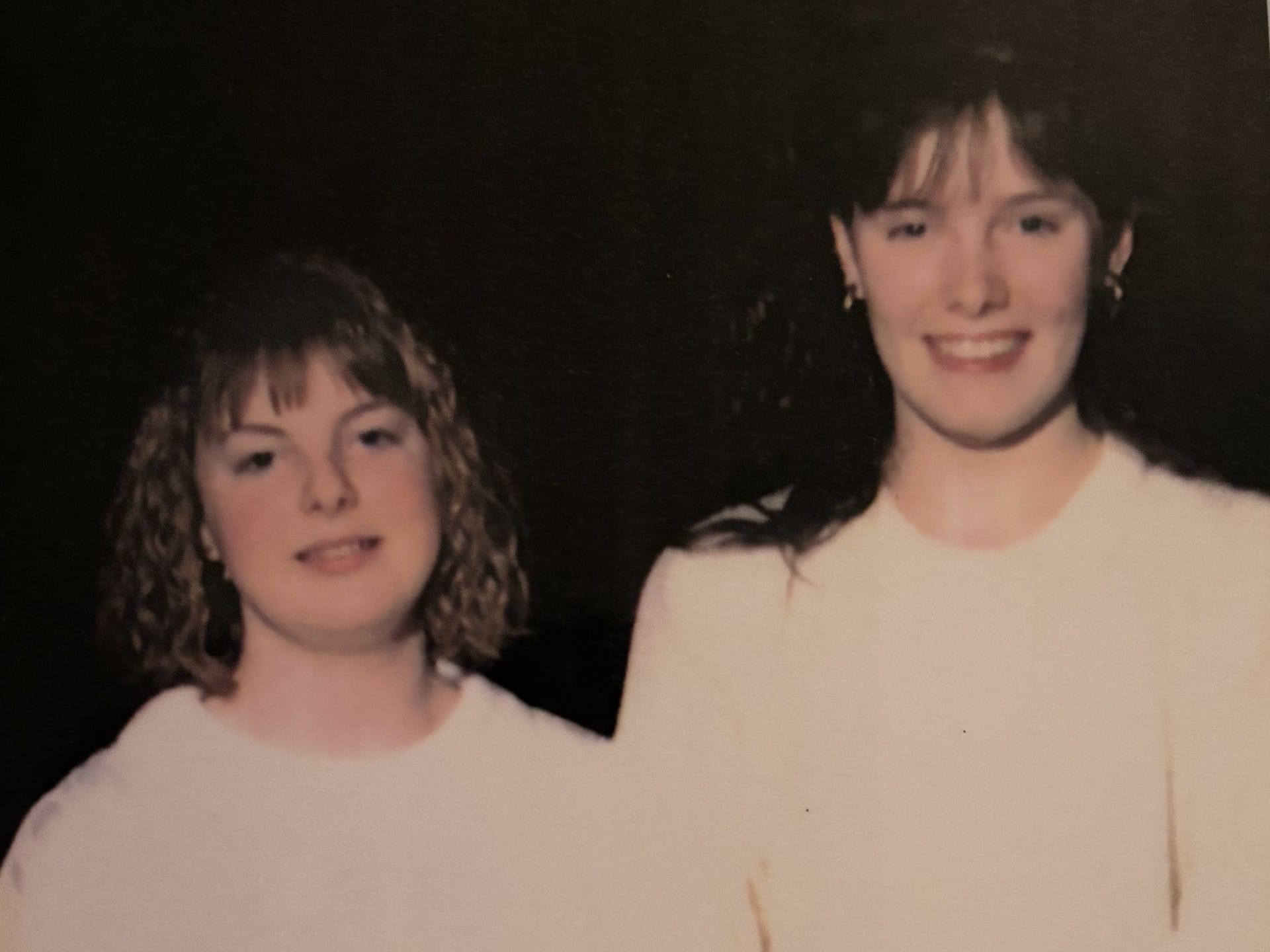
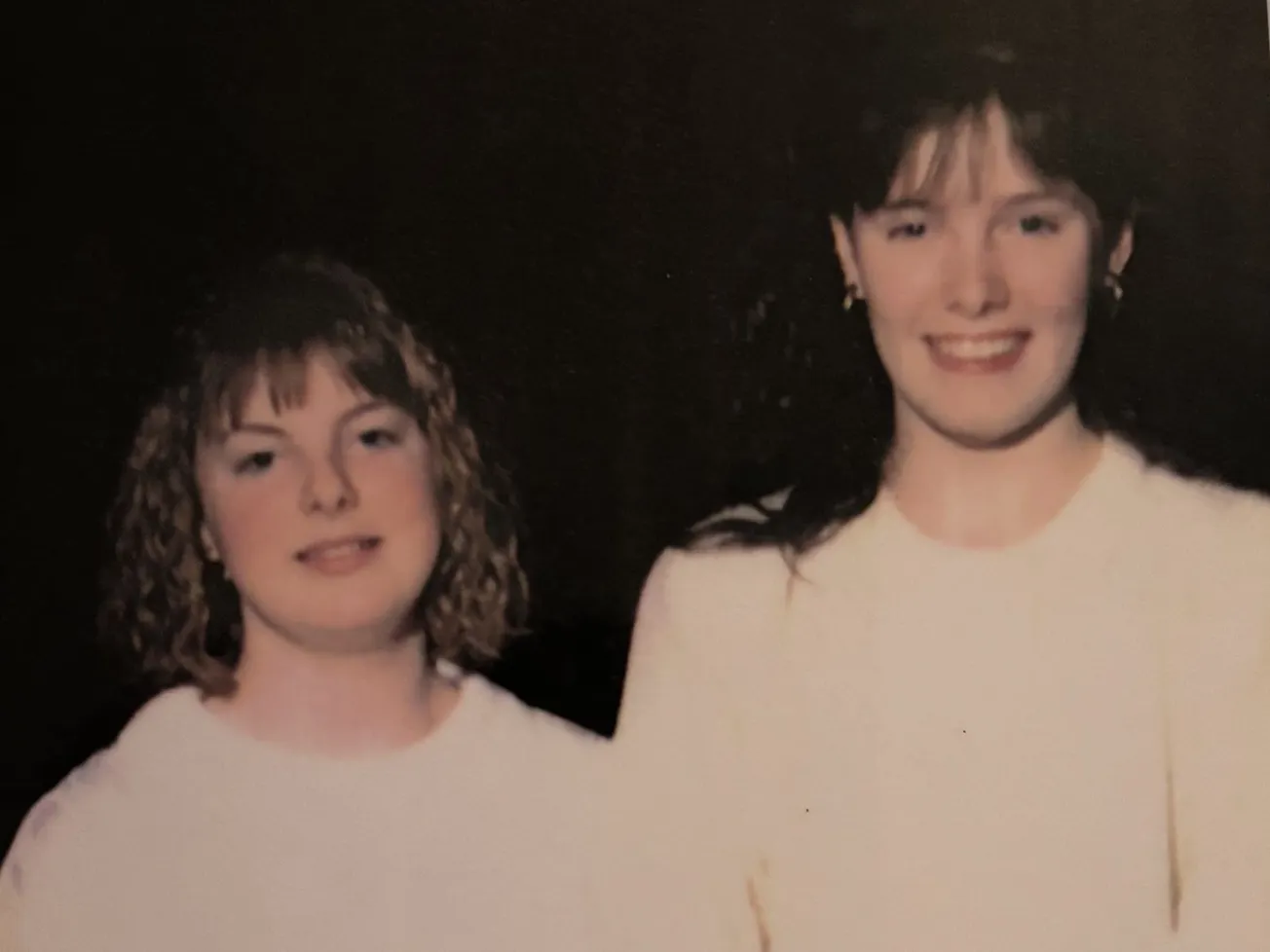
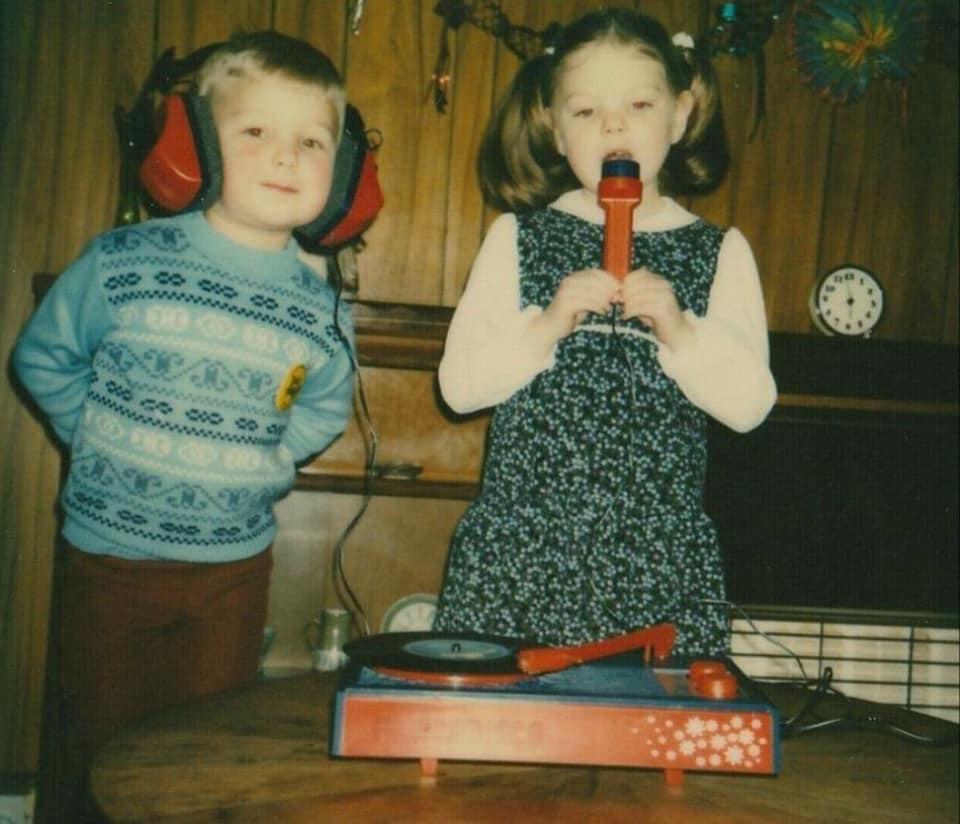
I knocked on the same front door that schoolchildren — desperately seeking help — had battered on that day, but this time a sparrow-like woman opened it and invited me in. Margaret Watson. Diane’s mother. Her husband Jim, Diane’s dad, was there too. Along with dozens of photographs of their children: Diane, and her wee brother Alan. There they were in Babygros, in the arms of their young parents; playing with a toy record player, the wee blonde boy with headphones on, the little girl with her hair in bunches singing into the mic. Then in uniform for a primary school photo. Then teenagers, arm in arm and smiling. Then a big line-up for their secondary class pictures. Then, there were no more photos.
Margaret sat perched on the edge of the sofa, chain smoking and talking fast, her anger and deep grief folded not just into her words and her voice, but her body too. Jim was largely quiet, except to tell me that his life was one of ‘nothingness’. Here, this living room with windows overlooking the playground at Whitehill secondary school felt lost in time, where two spectres wanted nothing more than to go back to when their children were alive and grief and trauma had not swallowed them whole. I would never be able to forget the Watson family or their story, and this year I returned to the east end of Glasgow — the doorstep of my own childhood — to make a podcast for the BBC called Crime Next Door: The Playground Murder. It’s about the ripple effects of that day in 1991, and how they came to be felt for decades.
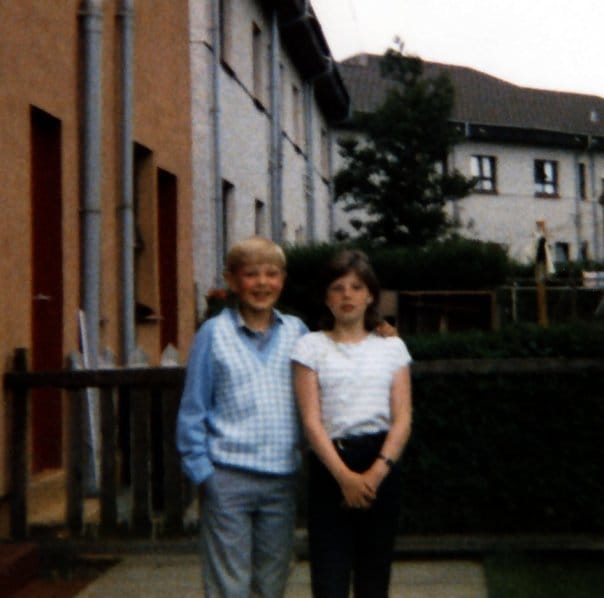
That April morning, a 15-year-old girl called Barbara Glover sneaked into the kitchen of her family’s flat and stole a knife and hid it in her schoolbag. As she sat on the bus that would take her from Cranhill to Dennistoun, she was nursing rage and humiliation. At Whitehill secondary, the bell rang for morning playtime and Barbara went looking for 16-year-old Diane Watson, who was the year above her in school.
The evening before, the two girls had been in a fight outside a shop — shouting, swearing, slapping and pulling. But in the playground, Barbara growled at Diane and began waving a knife. A circle of dozens of schoolkids enveloped the two teenagers, egging Barbara on. Suddenly the blade was stabbing Diane through the liver and heart. She staggered back, pulled the knife out and collapsed. Beside her, her best friend Pauline Love was trying to help. There was no-one else there — everyone had run away.
Pauline picked Diane up and carried her, then with the help of some other girls managed to haul her up one flight of stairs before Jim lifted his daughter up another flight to the hallway of their home, where he attempted mouth-to-mouth resuscitation. Beside him, his son was screaming: “Diane, it’s me Alan.” He was 14. It was just after 11am. Soon, Diane would be dead.
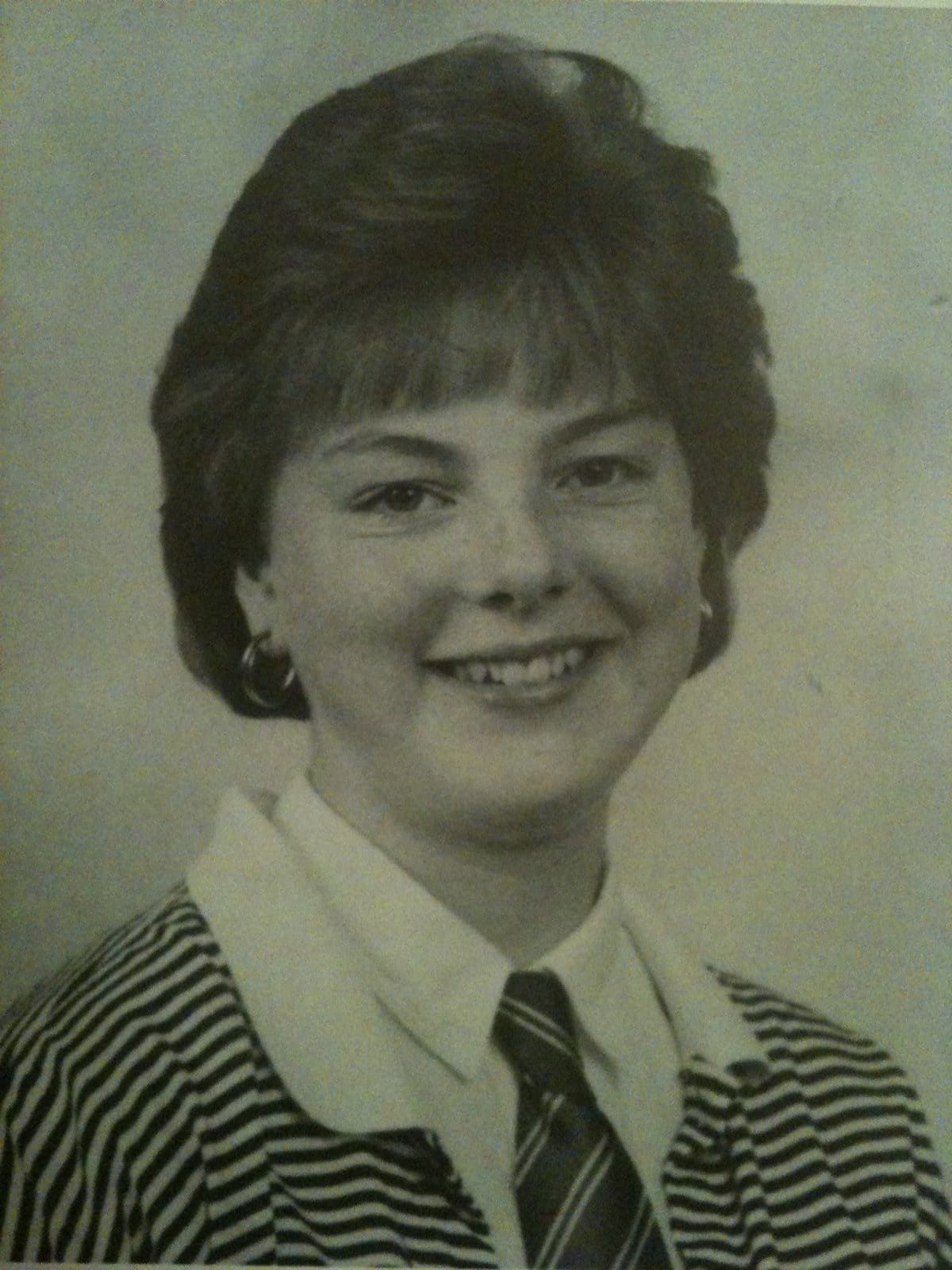
Barbara had run to her sister’s work and the radio was playing. The news said a girl had been killed in a playground in Dennistoun. Barbara couldn’t believe it. She handed herself in at London Road police station. Three months later, Barbara Glover stood trial for murder in Glasgow’s high court and despite being a child with her identity protected, the judge lifted reporting restrictions and she was named by the media.
Children were called to give evidence and relive the trauma of what they saw in the playground. Barbara took the stand and claimed that she had been bullied for a year by Diane and that she ‘never meant it’. But a jury came to a unanimous verdict: guilty. Barbara slumped in the dock and cried “no, no”. Because she was a child, she was detained without limit of time. Her family was shocked: they had expected culpable homicide.
This is a really moving story, and we're very glad Audrey wrote it for us. We think reading pieces like this, although devastating, is an enriching way to spend your weekend and your life in Glasgow. And, starting from just £15, you can give this gift to your loved ones.
No wrapping, no queues, and you’ll be supporting local journalism while you’re at it. Choose three months, six months or a year, add a personal message, and schedule it to arrive on Christmas morning (or whenever suits you). We’ll take care of the rest.
Got loved ones in another city? Our sister papers’ gift subscriptions are discounted too.
Just days after the trial, Jack McLean — an instantly recognisable writer for the Glasgow Herald, all fine suits, fedoras, spats and blingy gold jewellery, who went by the sobriquet the Urban Voltaire — wrote a column about the murder and the trial. He was angry at the unfairness of a child being detained never knowing when they would see freedom. But he made Diane out to be a bully and a snob, writing that she “came from a background which was rather upper working class” and had the “smart white socks of the daughter of the Labour aristocracy”. Nothing could have been further from the truth and when the Watsons read the McLean piece they were fuming and deeply hurt.
Jack McLean sat down in the pub to write his weekly column — drinking whisky, smoking fags, and battering out his words in under an hour. Often, spleen and invective splattered out onto the page with very little editorial intervention. He would go on to write more columns about Diane’s murder. They too are shocking for the carelessness with which he writes about the case.
Another journalist, Meg Henderson, wrote a piece for Marie Claire in which Diane was again portrayed as a bully. Like McLean, Henderson had not attended the trial and also like McLean, her writing was neither fair nor accurate. Though each made valid points and had attempted to highlight what was then a legal anomaly in Scotland: that a child convicted of murder was jailed for mandatory life without limit of time, whilst adult killers could potentially be out in eight years.
But the Watsons would never see it that way. They believed their dead daughter had been defamed. They sought legal advice but were told they had no redress because it is not possible to defame the dead. Alan, angry because he felt his parents were not doing enough and his sister was being traduced, went into freefall. Less than two years after his sister was murdered, he took his own life. The cuttings from the Herald and Marie Claire were in his hand.
Glasgow deserves great journalism. You can help make it happen.
You’re halfway there, the rest of the story is behind this paywall. Join the Bell for full access to local news that matters, just £8.99 a month or annual deals with two months free.
SubscribeAlready have an account? Sign In
Become a member to unlock the rest of this article.
And as luck would have it, you can join for just £2.99 a month for your first two months (£8.99) if you sign up before 15th November.
If we get 1,000 new members, we’ll deliver five pledges to help you get more out of Glasgow.
Join from just £2.99/month Learn more about our five pledgesAlready have an account? Sign in