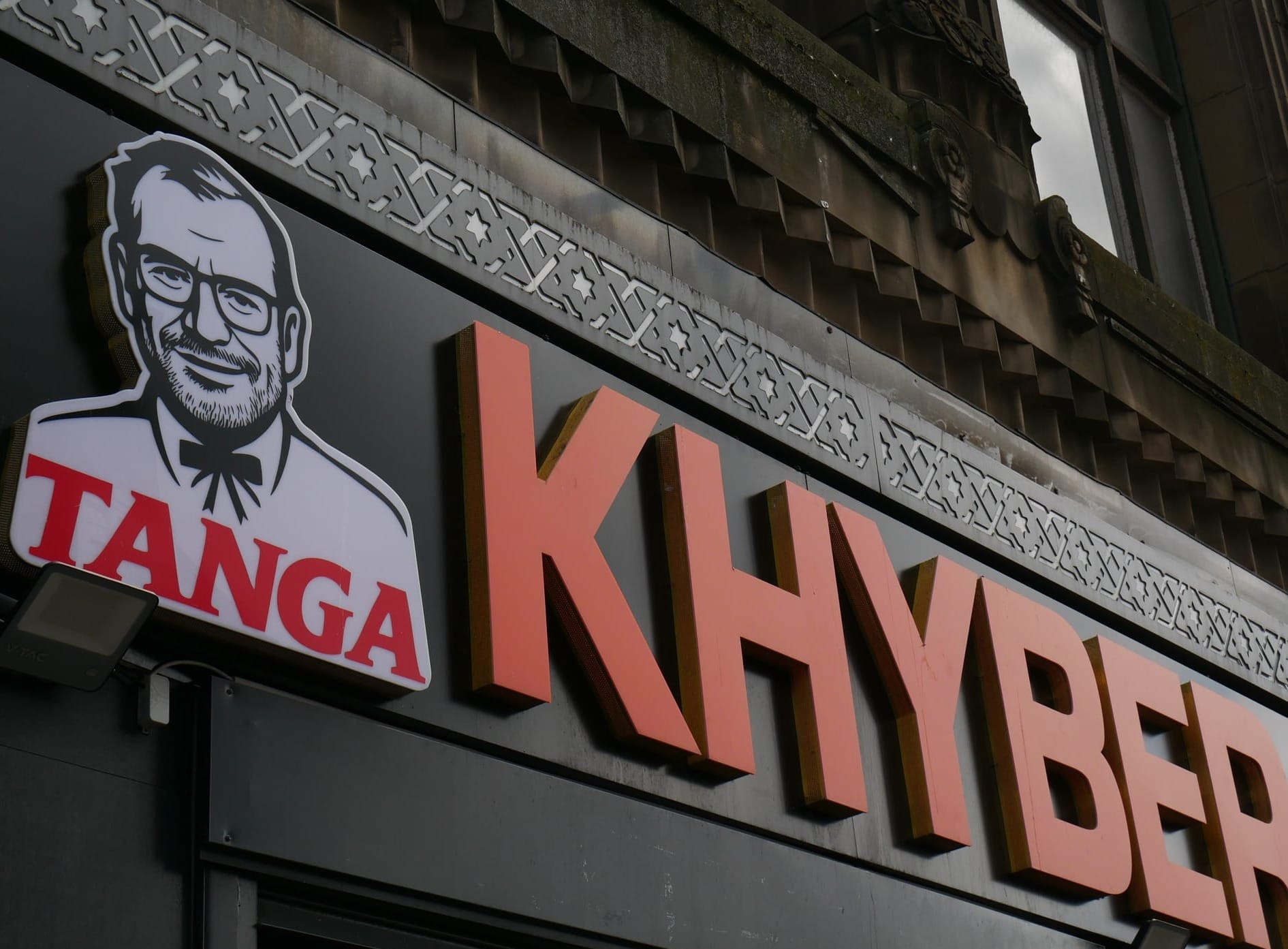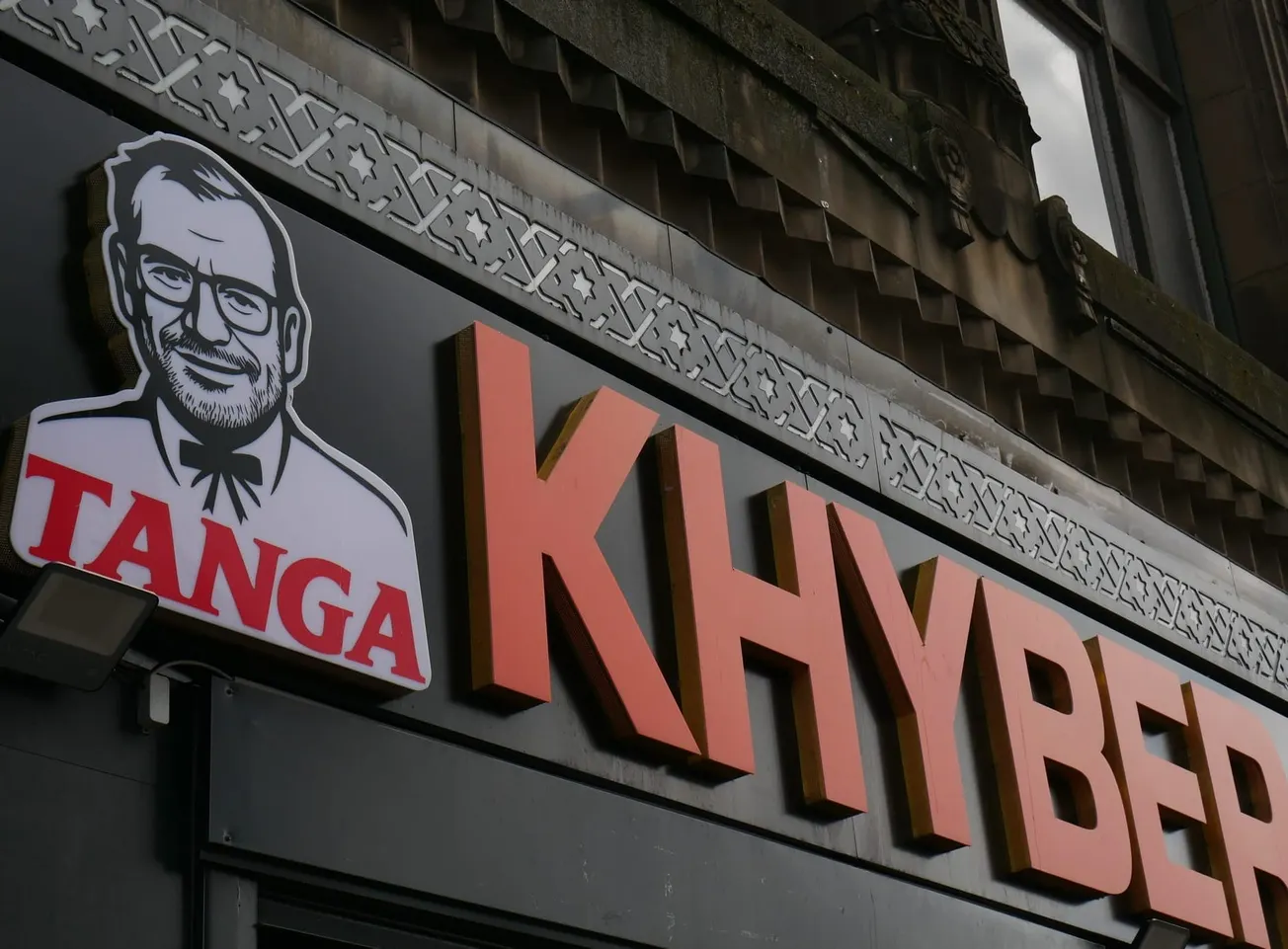
Tanga Khan takes spice seriously. This makes sense — he once worked in a Pakistani restaurant in London where the head chef used a “secret room” (a room within a room) to make the spice mix. But according to Khan, who is the culinary brains behind the six-month-old Afghan restaurant Khyber Sheenwari, the key isn’t an elaborate spice mix, so much as the right amount. This is because too much spice is bad for your health, he says. “Shinwari food doesn’t use spice.” (This, as the slowly building burn in my mouth tells me, is relative.) Instead, the Shinwari people’s signature flavour combo for many of their savoury dishes is ginger, black pepper, and fresh tomato. Warming, rather than spicy. “Many” Pakistani, Afghan, and Kurdish people come to Khyber Sheenwari “because our spice is balanced”, boasts Jahangir, an elegantly-dressed waiter on hand to translate for his boss. Clearly, the spice is right.
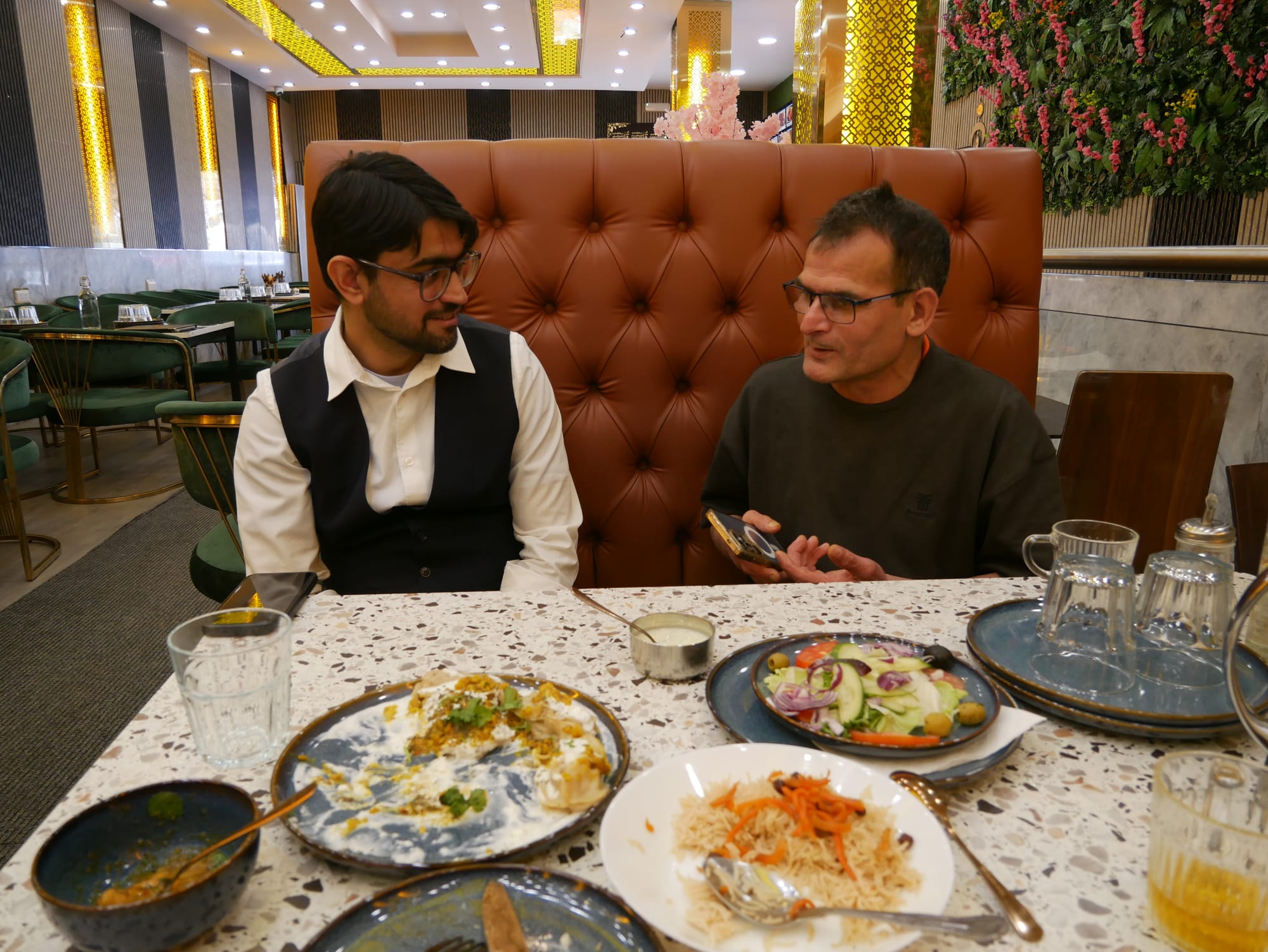
Eating here was a lesson in culinary geography. Tanga is Shinwari — that is, a Pashtun tribe settled mainly across eastern Afghanistan, including the Khyber Pass area. The Khyber Pass is a route that has delivered silk road travellers through the mountains between eastern Afghanistan and Peshawar in Pakistan for centuries. The Pass isn’t just a geographic connection — it’s also a culinary and cultural one. Some Shinwari live in the Pakistani side of the mountains, and the food culture crosses over just as readily, which means if you go to certain Afghan and Pakistani restaurants, you might not see a huge difference between the cuisines.
I’m here because Robbie and I were at the Laurieston and recently decided to give this newish restaurant on the other side of Bridge Street a try. If you’re a regular reader, you will know that the following means very little to me when rating restaurants: vibe, presentation, elaborate serving structures (small plates be damned). Don’t get me started on how performatively casual – think: exposed brick walls, run from an old converted warehouse – most modern western establishments are only to switch up and charge you £30 for a plate plus a ‘discretionary, but it’ll be really awkward if you ask to remove it’ service charge. I like the opposite of that: tasty and affordable food in an unpretentious setting, and anything that hits this sweet spot gets termed a “humble yum”. But actually, eating out in Laurieston recently challenged the humble part of the equation.
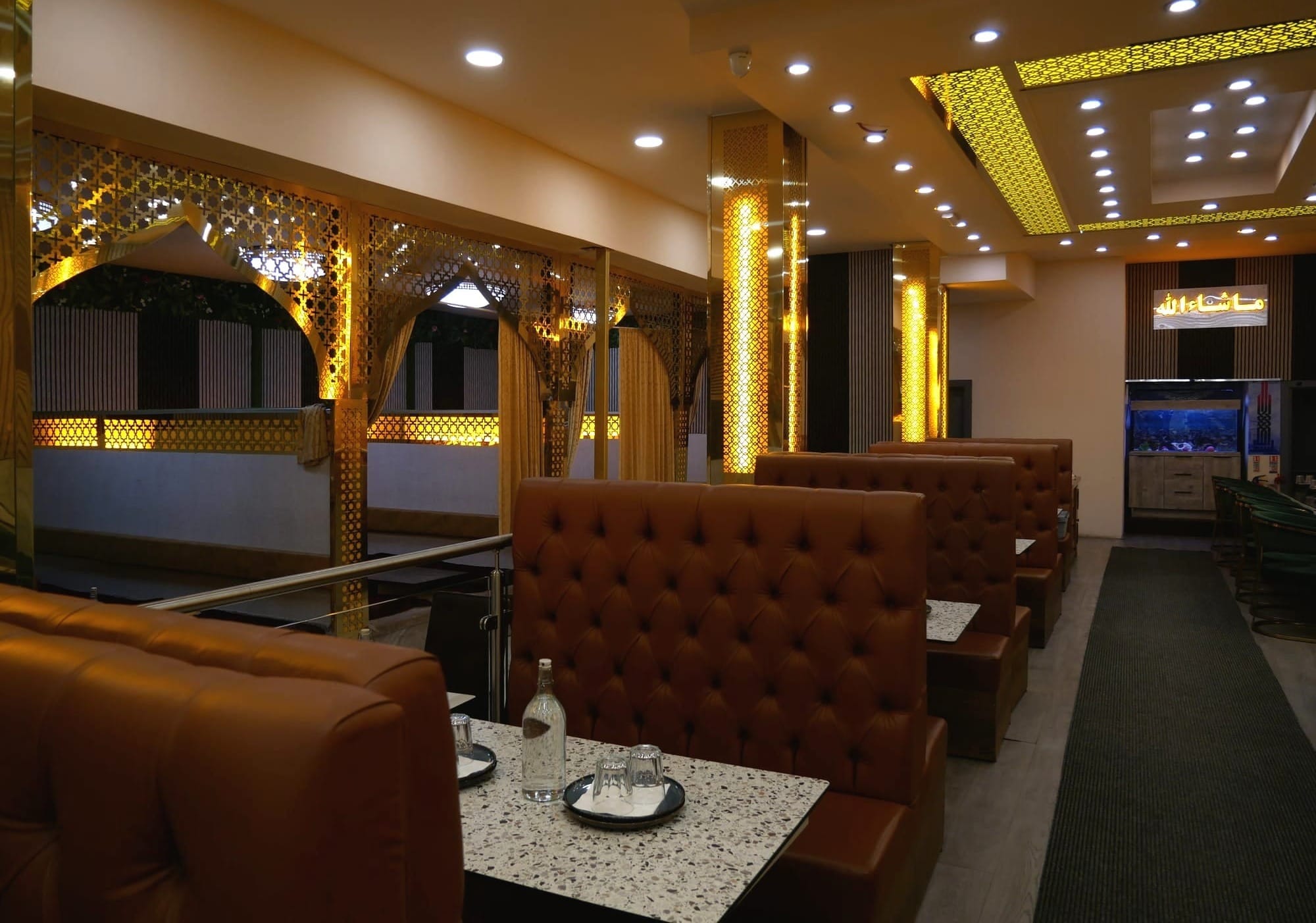
Last July, I wrote about this area and its imminent reinvention by the council and New Gorbals Housing Association, and I got to know the man behind the nearby Pakistani restaurant Namak Mandi. Judged on looks alone, the former Gorbals Library-turned 800-seater restaurant is about as far from humble as you can imagine: black and gold resin walls, gleaming chairs, waiters in waistcoats and waitresses in blazers — and that’s before we get to the manager Nade Ali sashaying around in velvet and loafers. Yet this Versailles-like decor didn’t come with the triple-digit bill to match — instead, what you get here is rustic food at a reasonable price, served to you by an army of staff who treat you like royalty. It’s pretty much the same deal at Khyber Sheenwari, only the decor’s dialled back a bit here.
Their similarities don’t feel coincidental. After all, both the proprietors of these restaurants have spent a long time among the webs of wires and honking tuktuks of Peshawar in Pakistan — and have brought its culinary tradition to Glasgow. This means both venues serve mantu, lamb-filled hand-rolled dumplings; most lamb dishes skew closer to stew than curry. Both offer the street food found across Pakistan, but made famous in Peshawar, such as chapli kabab and karahi curries. Having eaten in both these establishments now I am confident I’ve got at least a novice’s grasp of the borderlands cuisine of eastern Afghanistan and western Pakistan, and how it is influenced by the city of Peshawar.
Hi, Calum here. As I hope you can tell, whether I'm getting ripped off at a restaurant really matters to me, as it does all of us. I think about it, and how to avoid it, a lot. That's why, when I find somewhere like Khyber Sheenwari, I want to know everything about it and share that with people. Of course, it's not the only place in Glasgow that offers such good value for money, but it is one of the newest. And if you want to read on and hear Tanga's compelling back story, you'll need to be a paid subscriber.
Crossing the Khyber
Tanga went to Peshawar as a 10-year-old refugee, fleeing Afghanistan’s Kunar province just “before the Taliban came”. It was there that he learned to cook and worked as a chef — the start of his 42-year culinary career. After some years, he and his family returned to the hills and green valleys of Kunar to start again, only to see the Taliban “catching and killing too many people”. Tanga left for London. He tells me this, behind his square glasses, over a cup of sweetened green tea in a startlingly matter-of-fact way. Why dwell? Once in London, he worked in the Pakistani restaurant I’ve already mentioned. But it’s in Glasgow, his home for the past 10 years, that he’s now able to give the flavours of the Shinwari people equal footing with the celebrated Peshawar cuisine he’s mastered.
Like so many before him, Tanga came to Glasgow once with a friend and decided to stay. He likes it here, and why wouldn’t he? “It’s quieter than London,” he says. Khyber Sheenwari is very much his restaurant, although there’s a business partner, Gyan Singh. Tanga convinced Singh to change the business from Arabic restaurants (Al Sultan and Bab Alhara), to an Afghan eatery to accommodate the high number of diaspora that either live in or come to Laurieston and the nearby Central Mosque. The result is a deceptively spacious dining hall with shining golden detailing, green velour chairs, gold cutlery, LED lighting, and a take-out kebab section.
The language barrier means Tanga doesn’t linger on a subject that long. But when it comes to discussing his cooking process, he slows down. After bringing out a small sample of chana Lahori (chickpea curry from Lahore), he takes me through how he refuses to use tinned tomatoes, believing they are also bad for your health, and doesn’t buy tinned chickpeas either. This particular chana is mixed with that distinct tomato, ginger, and black pepper combo along with white lentils (called dal maash), and finished by the famous tarka (ginger and garlic fried in oil until brown and drizzled into the curry). Robbie described the chana that he had last Friday as “up there with the best I’ve had in the city” and, in classic food reviewer speak, “unctuous”.
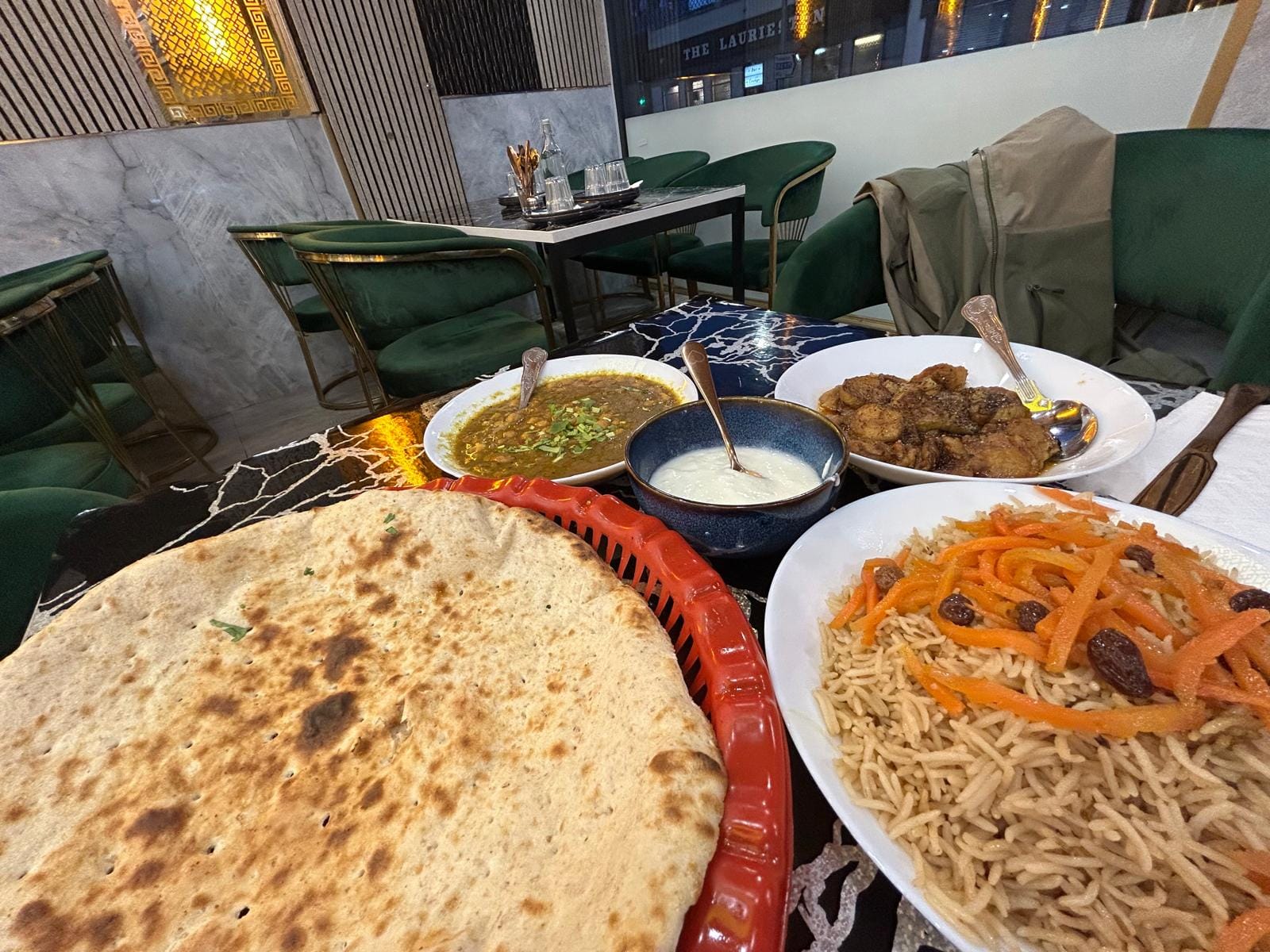
That Tanga can make a good chickpea curry probably shouldn’t surprise us. But when it comes to the traditional Afghan dishes, he really gets technical. The rice he uses is as long a grain of basmati as I have seen. In Afghanistan, it’s spread out on the floor and dried to make sure each grain maintains its strength and doesn’t break when cooked. We talk about videos of Uzbek pilaf being cooked in absurdly vast quantities, and that Tanga’s rice looks a bit like that. He tells me how the “Turkic people went to Afghanistan”, brought their “handmade carpets”, and eventually settled in its Central Asian neighbours of Tajikistan, Uzbekistan, and Turkmenistan. The culinary crossover is clear.
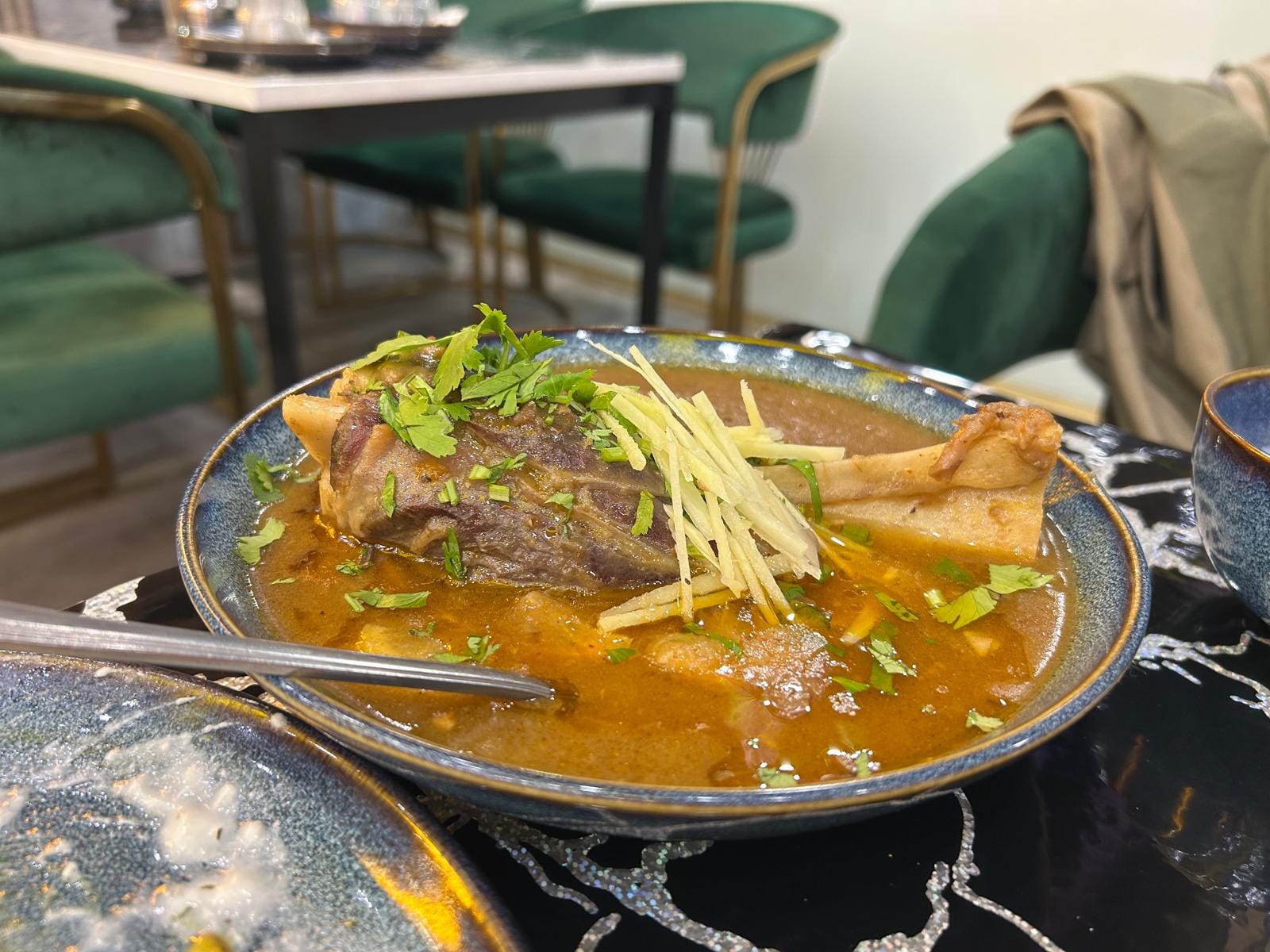
While we’re chatting, Tanga mentions a few times that I need to come back and give him more notice — at least two hours minimum, he reckons — so he can cook a “special nihari” for me. He’s got a glint in his eye. As for his £10.99 bog-standard nihari, which is a slow-cooked Pakistani stew of lamb shank in a rich gravy, it’s possibly the best curry-adjacent dish I’ve had in Glasgow. The lamb couldn’t be more tender and the gravy could be drunk from a cup. I’m not alone in this opinion — Glasgow’s chief curry blogger, Hector of Curry-Heute, who Robbie interviewed back in August, described his Khyber Sheenwari lamb nihari in the following: “Best I’ve ever had? Possibly.” Decent praise from anyone else, but strong stuff from a man who has eaten and reviewed over a thousand curries in Glasgow. If you’re really wanting to try the lamb, with 24 hours notice you can order a whole one, which Tanga wraps in foil with aromatics and steams in a giant oven for 5-6 hours. I can’t decide if £350 is a lot for this or not, lacking any sort of internal barometer for how much whole lambs cost.
I’ve been to Khyber Sheenwari twice now, and each time I’ve been wowed by the food, the staff, the showy furnishings and the attention to tradition (you can eat sitting cross-legged in the privacy of their traditional floor-height booths called ‘Baitaks’, if you wish). Govanhill is known for its cheap and tasty curry cafes, but Laurieston is fast emerging as a destination for something different: restaurants that look decadent, but which offer a taste of Afghan and Pakistani home cooking at a price that won’t decimate your bank balance. Can a location truly be a humble yum if the forks are gold, the waiters wear waistcoats, and you can buy an entire lamb for the cost of half a month’s rent? I’m learning to let go of that word when it comes to Laurieston.
If someone forwarded you this newsletter, click here to sign up to get quality local journalism in your inbox.