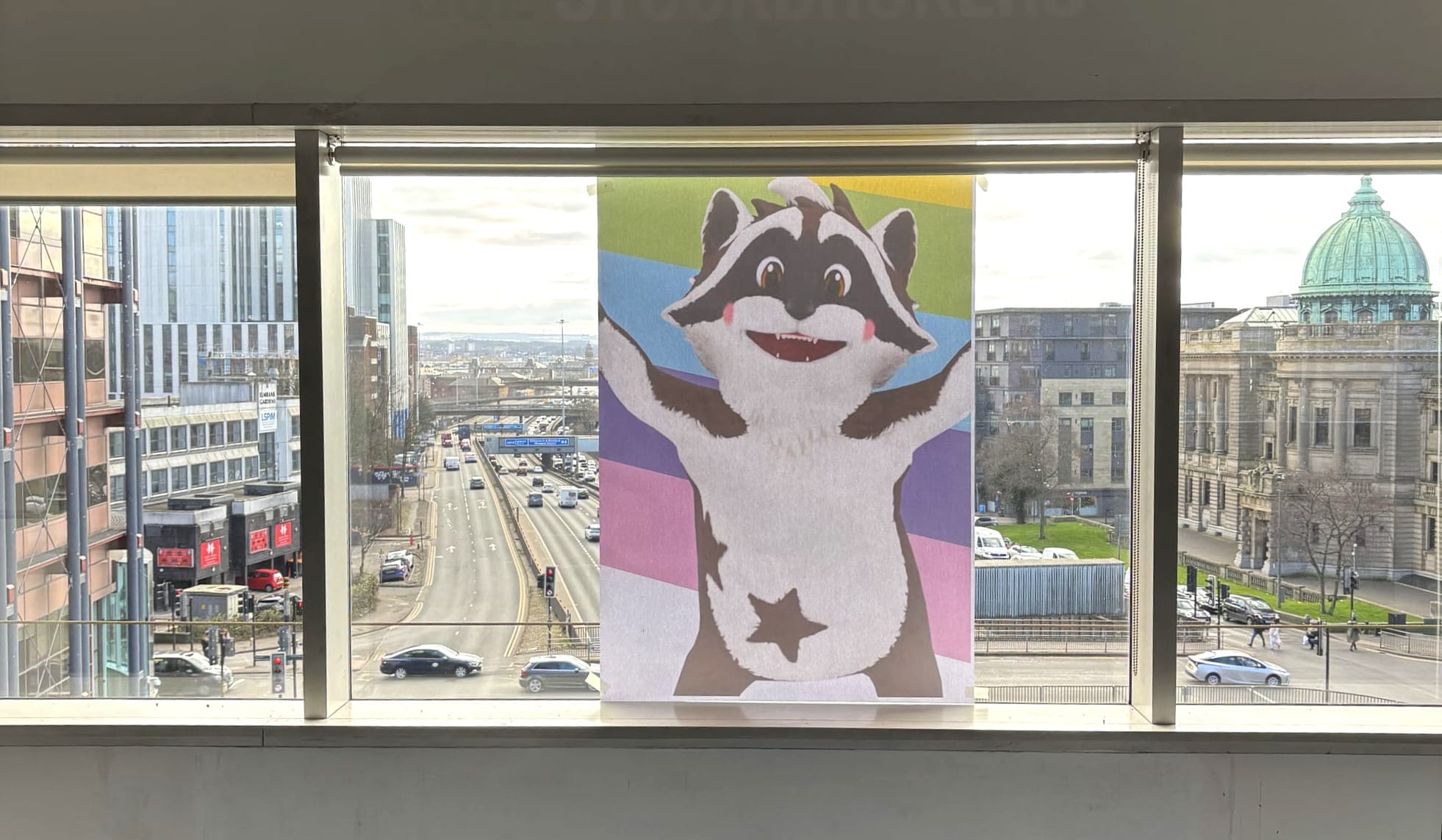
Most of us take windows for granted. They let light in and are supposed to keep the cold and noise out. But they also reveal what’s inside. If you’re someone who doesn’t want people to see in, your windows become a very big problem. For Humanitarian Operations (Hope), which describes itself as a “children’s charity” because it claims it works with and is directed by children, each window, hundreds of them, allowed the world outside to see into their largely empty offices. And that was a very big problem indeed.
We reported previously that Hope was involved in what’s known as a ‘rates mitigation scheme’, where a charity receives money from a landlord to occupy commercial units so the landlord doesn’t have to pay business rates for them. The charity then applies for rates relief and both parties save money. This is legal so long as the charity is actually using the space for charitable purposes. Our previous investigation found that Hope was the registered occupier, for varying periods, of 44 commercial properties in Glasgow since May 2024. In this time they racked up £1,056,283 of business rates, which remain unpaid to Glasgow City Council. Had Hope been granted rates relief, they would have avoided this hefty levy. But after Hope applied to the council for relief for four of the 44 units, the council inspected and found that the offices were “largely empty” and had “no sign of the stated charitable activity”. Darren Adler, the director of Hope, previously told The Bell that Hope isn’t a rates mitigation scheme, and that the charity’s plan to use all the Glasgow offices was foiled by the unsafe condition of many of the properties.
 Calum Grewar
However, in my time visiting Hope’s offices and speaking with Adler, I failed to find much evidence of genuine charitable activity, and I’ve since spoken to three former Hope workers who confirm that they also couldn’t tell what the charity was actually for. I’d played a version of Mario Kart where you drive around picking up slices of pizza, and seen some sawn-up Mini Cooper sofas. I didn’t see any of the child ‘directors’ the charity boasts about, and Adler himself told me that the charity’s educational products were months away from release.
So why did Hope need 44 units in Glasgow? Adler described to me how “the landlords pay money towards the kids”. That’s a big ‘tick’ on the first part of a rates mitigation scheme — the landlord pays a charity to occupy a premises. You might remember from the first piece my incredulity while watching a promo video featuring child actors where they spell out exactly what Hope is doing: “We’ve got buildings all over Scotland”, a young boy boasts. Another adds, “First we had zero, now we have 64. We only pay one pound for each building, the landlords are paying most of it.”
What they needed 44 units in Glasgow for, other than to make money by taking on the rates liability from the landlord, remains unclear. Did they ever intend to use them in earnest? Were there ever any child ‘directors’? What is clear is that Hope made a concerted effort to prevent nosy onlookers from seeing inside these premises. And, I’ve found, almost all of the offices Hope was occupying belong to one large landlord.
Previously we peeked through Hope's windows, now let’s open them wide.
Precise posters
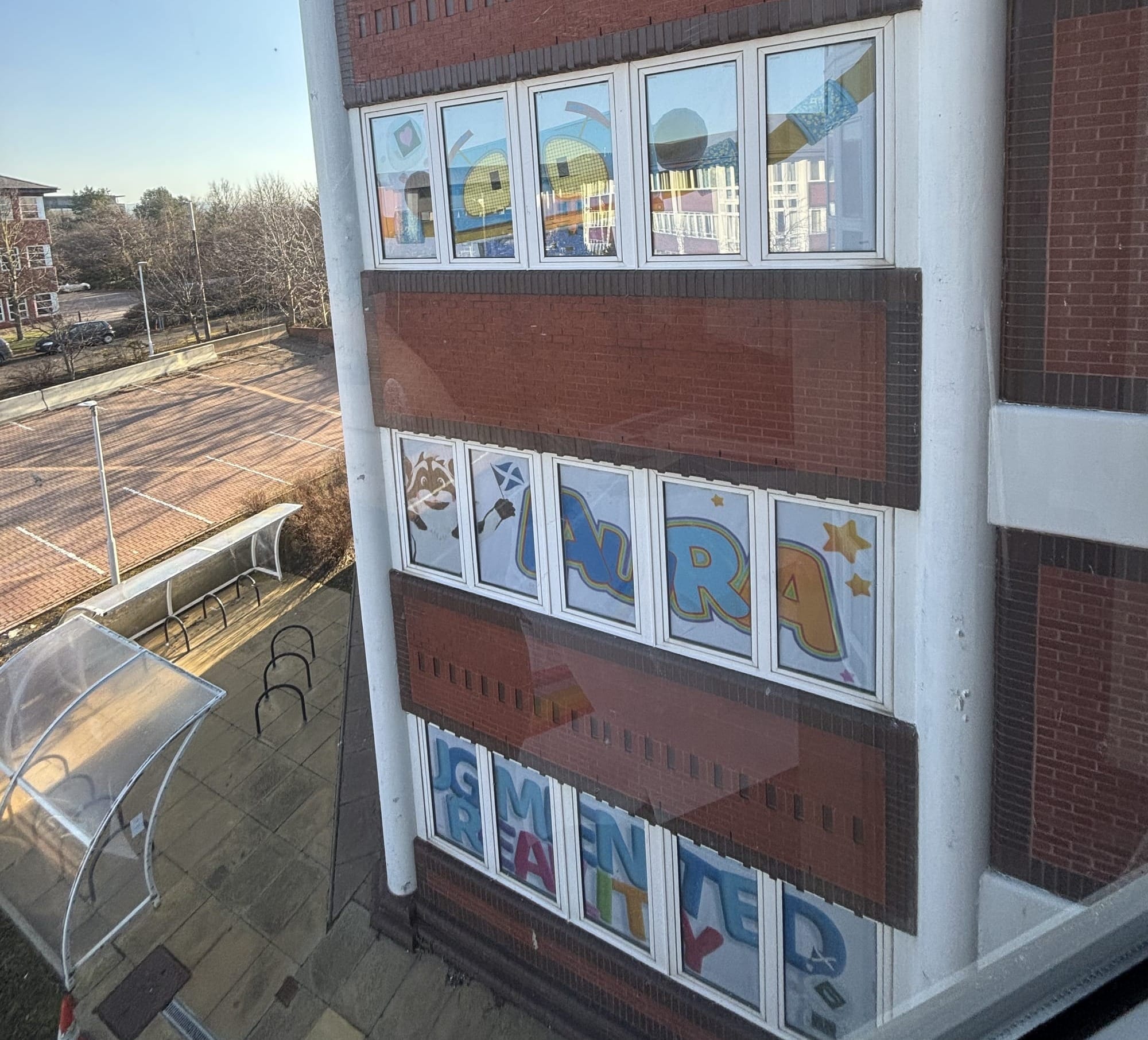
Since our first investigation, former Hope workers have told me that the self-proclaimed multi-millionaire Adler instructed them to mask the windows of the 44 units where people outside their offices might be able to see in. One former unpaid intern, who wants to be referred to only as K because he doesn't want future career opportunities to be limited by his time at Hope, spelled it out to me. Adler told K to cover every window and door, and “close up those slits so no one from the outside could directly look in”, he tells me. And so he and the other interns set about designing hundreds of canvases to stick to each and every window. To their credit, the posters were designed impeccably. Images taken by K show hundreds of measurements and preparatory photos so each poster fitted perfectly.
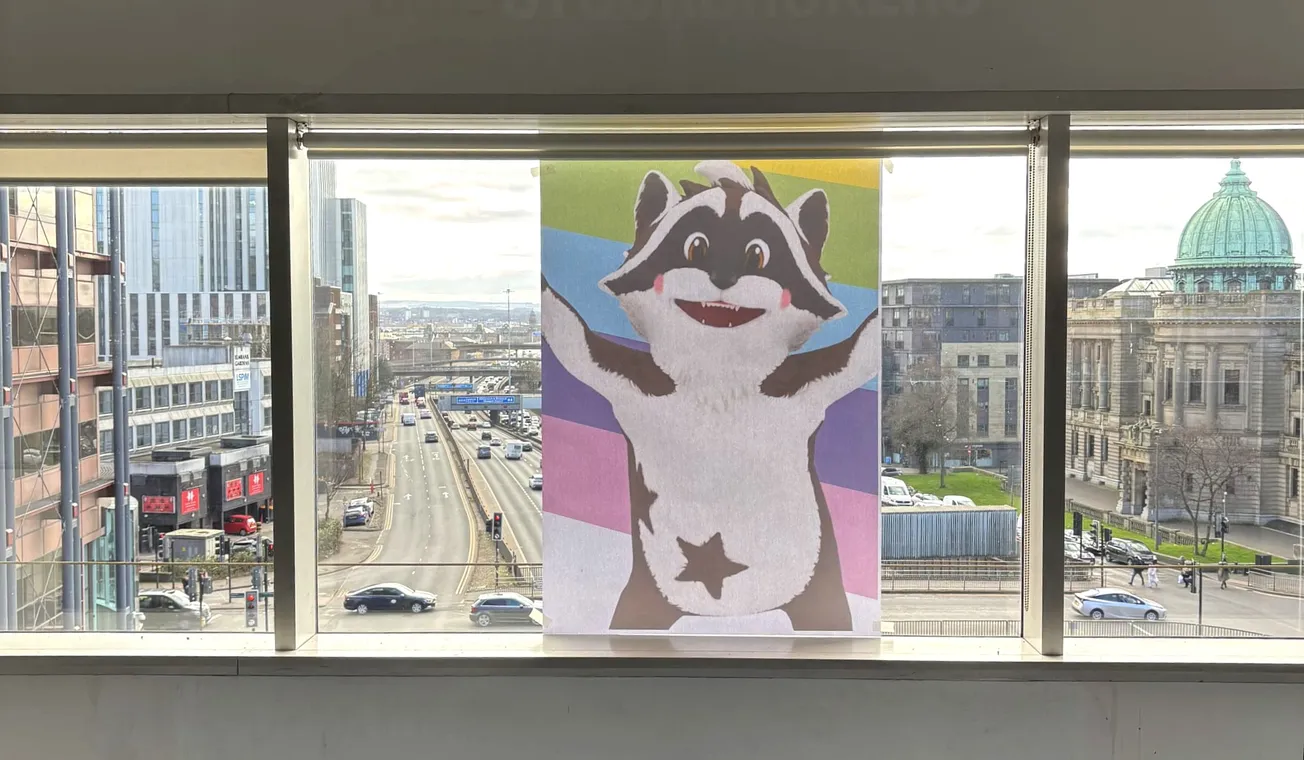
This is where the huge banners on Tay House come in, the ones that sparked queries from readers and my initial inquiries. I found that Hope had occupied at least six units in Tay House, the rust red office block that straddles the M8, between December 2024 and the end of January 2026. These included the entirety of floor six and much of the ground floor. K and others plastered these banners on the inside of every office unit Hope occupied in that building.
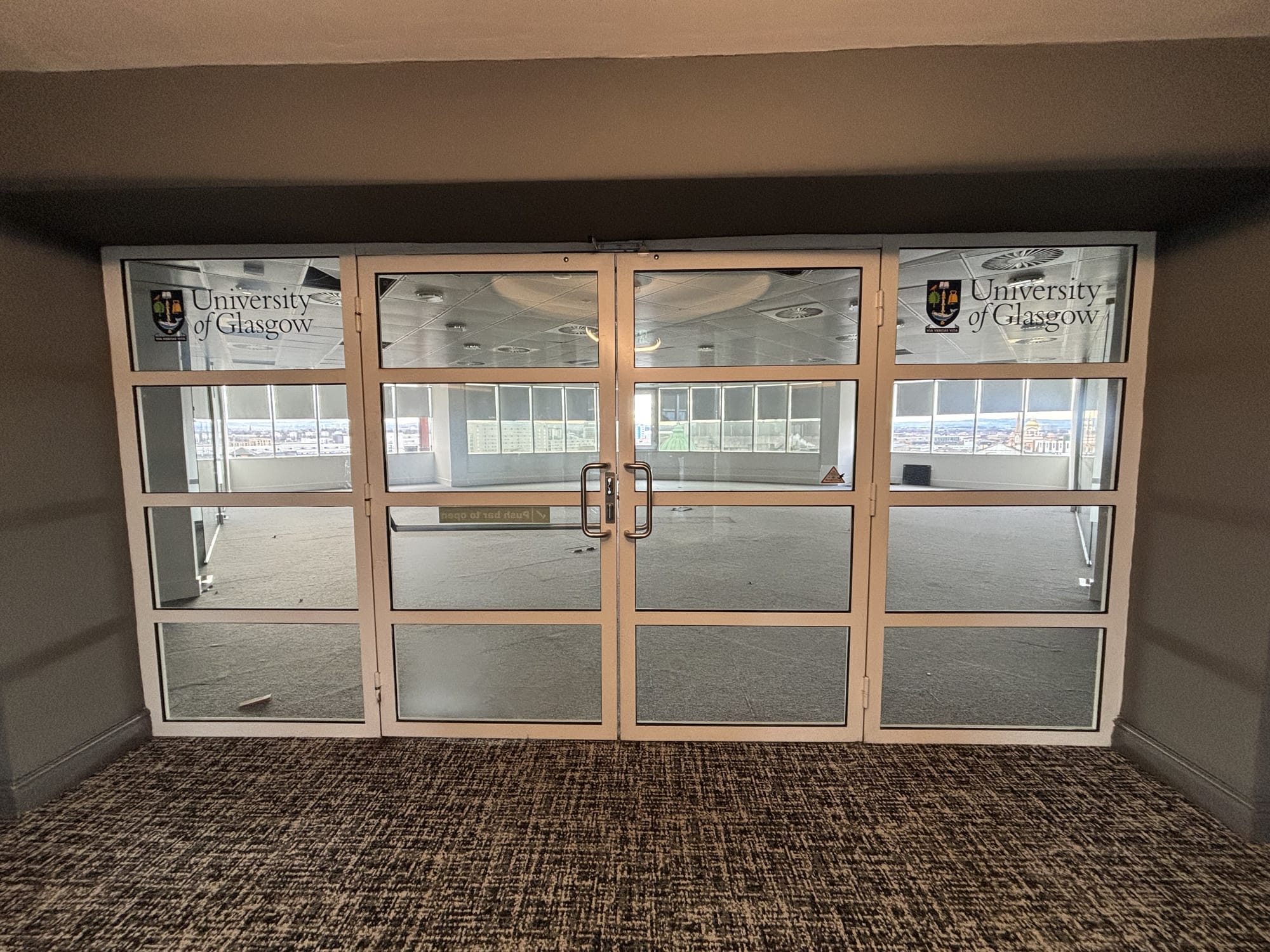
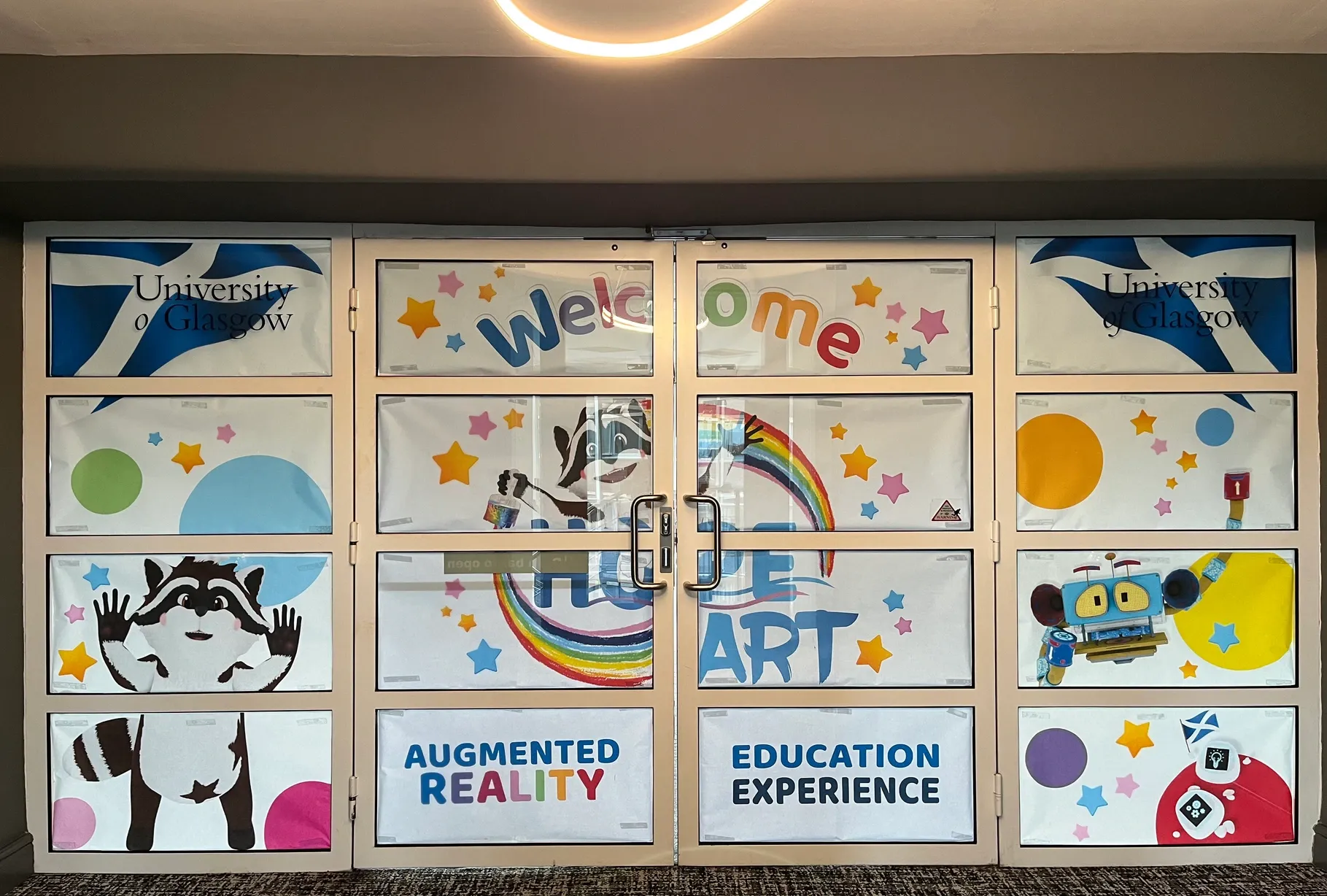
Door to office previously occupied by University of Glasgow, before and after Hope's posters. Photos: K
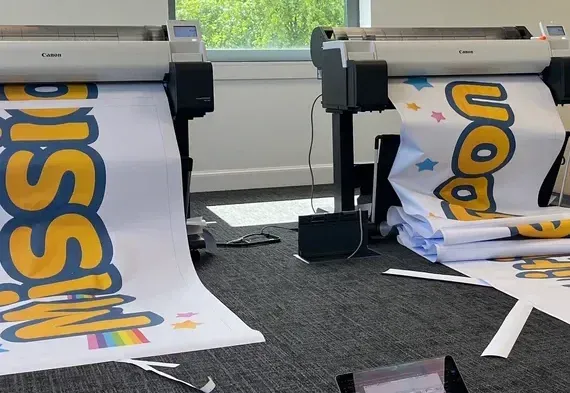
Designs included our friend Ziggy the talking raccoon, as well as Robert the robot, and, yes, those giant words reading “augmented reality education”. K tells me that the design process was meticulous, involving high-grade canvas sufficiently opaque in bright sunlight to prevent people “to be able to look inside”. To print off giant, A0-sized reams of this stuff, high-tech printers are required. One model I saw in Hope’s offices retails at £1,199, and Hope had several. Adler wasn’t mucking around with these banners.
I also saw some bifurcated Mini Coopers lying around Hope’s HQ, which added to the surreality of my afternoon in Wester Hailes. Separately, former employees of Adler from his time as director of a London radio marketing company two decades ago got in touch. Both remembered the Minis, and even used to sit on them at work. He’s been “carting those Minis about” since then, one former employee told me. According to another worker at the marketing company, Adler and a business partner were “cutting them in half” to make “recycled furniture”, and claimed to have “sold hundreds of them”.
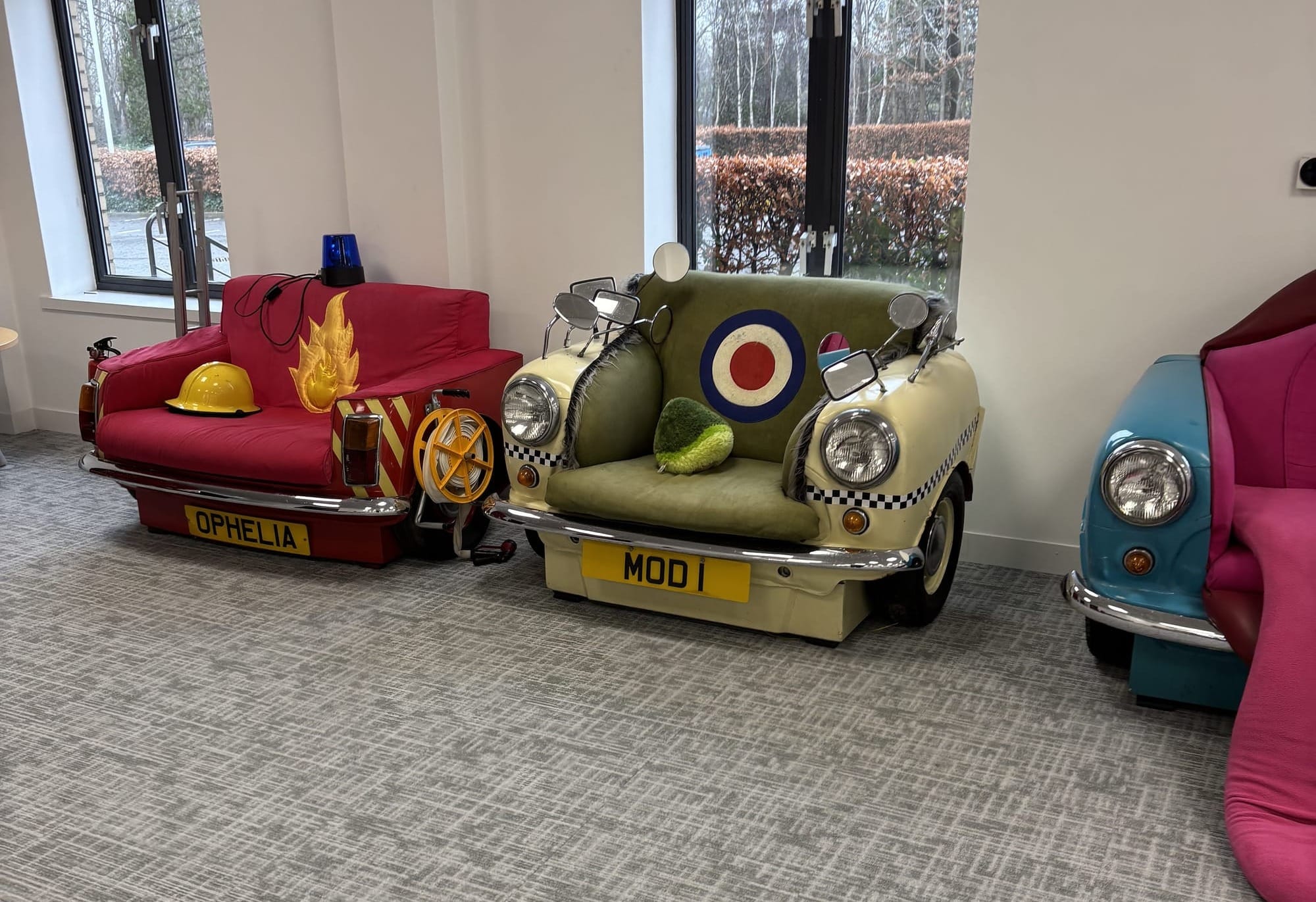
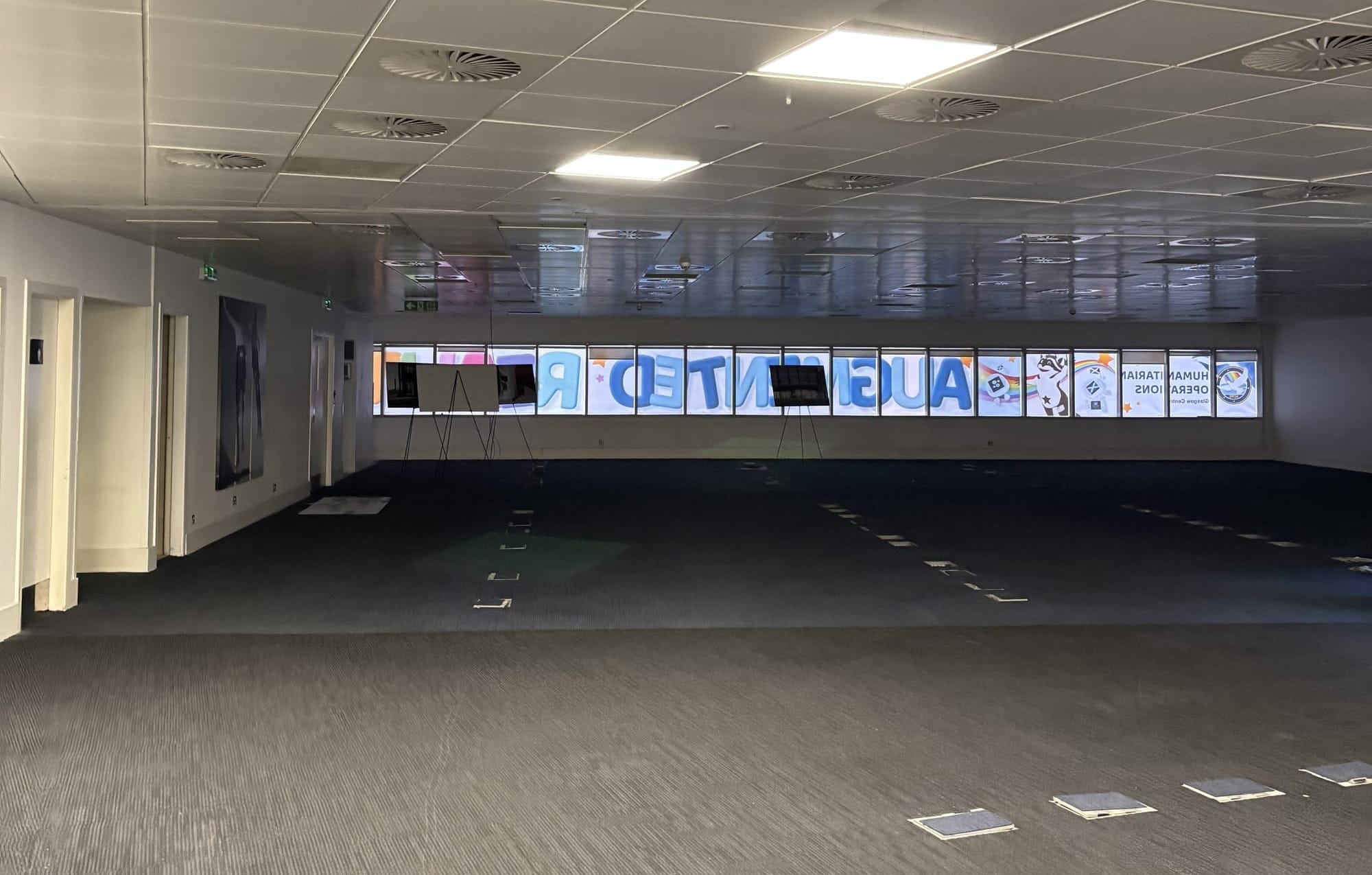
Old Minis and an empty office. Photos: K
Looking through more of K’s photos of the offices, I’m struck by how utterly empty they are. Bits and bobs lying on the floor appear to be remnants from previous tenants, who might have left in a hurry judging by the mess in many of the units. Adler claimed that the landlord of 40 of the 44 Glasgow units (the ones for which he hadn’t yet applied for rates relief) had breached their contract by not making the offices safe. Some of the units do indeed look like a health and safety officer’s nightmare, but I’m more wondering why a charity that intends to use these spaces for children would take them on in the first place. And why, in the case of a 50,000 sq ft Edinburgh property I recently discovered Hope had occupied, are so many in soulless industrial parks miles from the nearest primary school or housing estate?
The credibility of Adler’s account and legitimacy of Hope’s scheme hinges on the charitable activity Hope conducts. Its website states it is a “children's charity and created by children and directed by children”, but what actual charitable benefit it provides is unclear. The former workers at Hope all confirmed that they saw no child ‘directors’ while working at the charity throughout 2025 — they also don’t want to be named to avoid their time at Hope tarnishing their careers. One intern did, however, see a “5-7 year old” in the office “to test out the kart game”. Another graphic designer said “there’s children around only when they need to shoot an episode”, referring to the child actors that appeared in the promotional film I watched while in Wester Hailes — the one where the children detailed Hope’s dubious business model.
Despite saying he would “come after” us if we published our story, we haven’t heard from Adler since our first investigation. The Bell contacted him again on 6 March to ask if any children had ever been directors of the charity, or received any sort of charitable benefit. He did not respond.
Assuming there were indeed no children at Hope, Adler’s bold claims of the kids “taking their educational product to Barbados” and rolling out their own line of vitamins are baffling. So if Hope is just a big rates mitigation scheme, who are the landlords who are paying Hope to use their spaces?
After the first story, it came to my attention that the Templeton Studios building near Glasgow Green, where Hope had occupied 13 units, shared a landlord with Tay House. I pulled on that thread, and it turns out that all but four of Hope’s Glasgow offices are part of a £550m portfolio belonging to a company set up by a local financier and listed on the stock exchange.
Hi, I'm Calum, The Bell's local editor. I've been thinking how we can cover the whacky world of Hope some more, and today you have that story. This involved finding and meeting with sources, poring over land registry info, and, yes, occasionally getting on a train to Wester Hailes.
If this is the sort of journalism you think Glasgow is in desperate need of, you can support us and secure our future.
Unlike Hope, The Bell isn't a charity. We often make our public interest journalism free, like we did with the fire stories last week. But we also need to pay our workers a fair wage! Over 1,000 paying supporters already pay to read our journalism, including the second half of this tale.
So if you want The Bell to stick around and find out who owns most of Hope's offices, consider signing up for just £2 a week. Even better, you can currently get nearly 20% off a yearly subscription - that's two months totally free.
Support proper journalism in Glasgow now.
Glasgow deserves great journalism. You can help make it happen.
You're halfway there, the rest of the story is behind this paywall. Join the Bell for full access to local news that matters, just £8.99 for the first 3 months.
SubscribeAlready have an account? Sign In