Glasgow in Brief
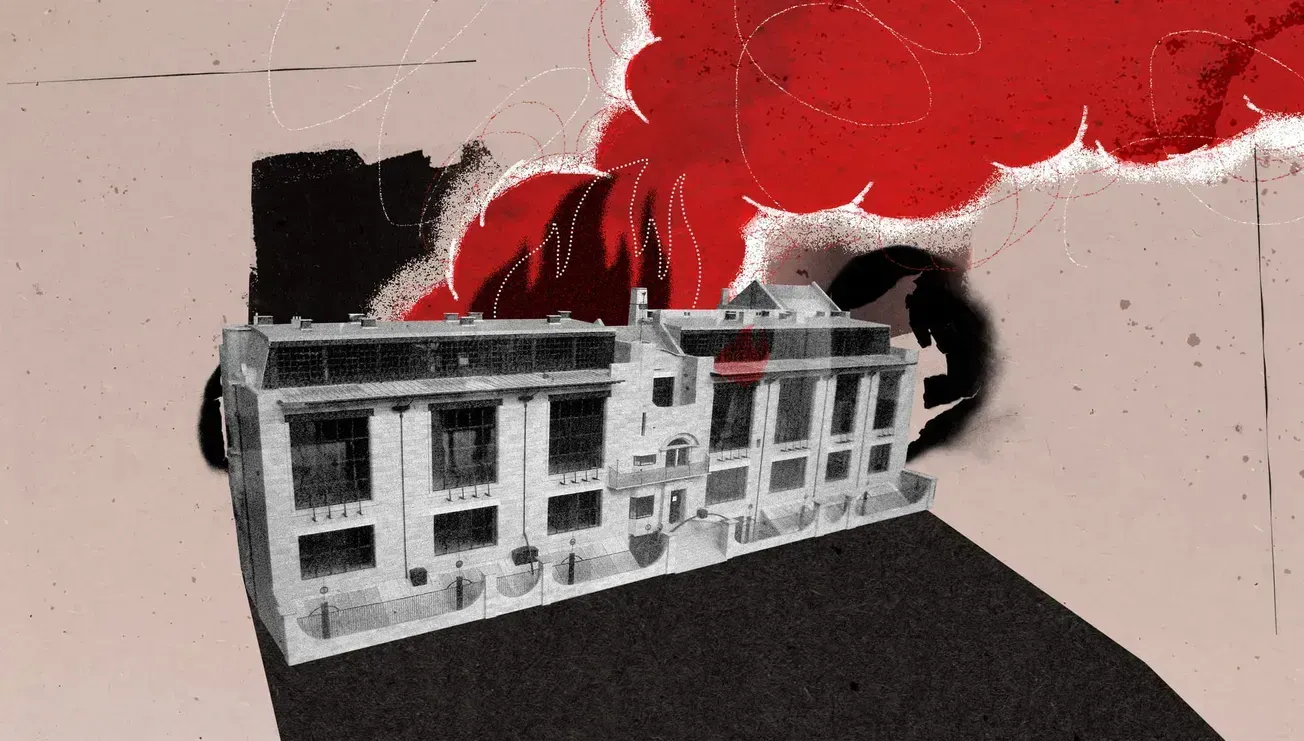
⛪ Gairbraid Church in Maryhill has been put up for sale by the Church of Scotland — the latest in a long line of churches to be shuttered or sold on in recent years. The Kirk’s listing of the 1850s, 660 square metre church and hall came as a surprise to community members such as Aurora Segnan, who is heritage and operations coordinator at the Maryhill Burgh Halls Trust. She’d heard “rumours” that the church might be flogged, but the next thing she and her colleagues knew, it was on the open market. The Maryhill Burgh Halls Trust, which is a community-led organisation formed in 2004 to save the halls from demolition, have viewed the property and are holding public meetings to explore options for purchasing it on behalf of the community. Although, Segnan stresses, the trust has not committed to doing so. Segnan told The Bell they’re giving locals the opportunity to “have chats and thoughts” about it, and if they “hear there’s a local organisation who is ready to buy it all the better”. As the Church of Scotland leaves Gairbraid, it will become the latest in a line of kirks whose doors have closed to their congregation. Director of Scotland’s Churches Trust, DJ Johnston-Smith, estimated that between 2020 and 2024, 114 churches had been shut or sold across Scotland.
💰 When we reported about delays to Clyde Containers’ grand opening (the tired signs still proclaim: “Coming August 2025), we were also quietly looking into the company director, a certain Nathan Sparling. Reason being, Sparling stands accused of embezzling almost £16,000 from the now-defunct charity HIV Scotland, of which he was chief executive between 2019–2021. The charity shut down in May 2023 following a “number of significant challenges," not least losing a large number of trustees. Things got a bit more eyebrow raising when Sparling then failed to turn up to court to enter a plea, and a warrant was issued for his arrest. It transpired he was holidaying in Mexico at the time. Since then, he has pleaded not guilty to charges of embezzlement, and will face trial at Edinburgh Sheriff Court in April. Sparling also co-hosts a podcast, Matters of the Heart, with fellow comedian and heart-attack-sufferer Scott Agnew, who Robbie has interviewed for a belter of a story on Saturday.
💉 On Tuesday, the UK’s first safer drug consumption facility celebrated its first year in operation. The Thistle offers drug users a clean and safe environment in which to inject drugs, obtained elsewhere, under the supervision of nursing and social care staff, as well as access to other health and treatment services. In its first year, 575 people registered to use its facilities, which they did so 11,348 times. This resulted in 93 medical emergencies. The UK government has said it won’t change any laws to allow for more of the rooms to be rolled out across the country. The Thistle is a trial, and another is planned for Edinburgh’s Old Town.
Does Glasgow need a mayor?
In Scotland, we’re used to devolution. In 1999, Anniesland’s Donald Dewar reconvened the Scottish Parliament after 300 years in recess. It was a huge moment, but also the start of a process, with the Scottish Government gaining more power to decide on matters such as income tax and welfare spending in the 2010s.
That’s all well and good for Holyrood, but what about power a bit closer to home? In recent years, “devolution” has taken a more local path — led by city regions in England. Andy Burnham is the figurehead for a new generation of local mayors, covering all of England’s largest cities.
Up here, Glasgow has its own council which is part of a broader group of eight local authorities — the “Glasgow City Region” (which comprises East and West Dunbartonshire, East Renfrewshire, Renfrewshire, Inverclyde, South Lanarkshire, North Lanarkshire, and Glasgow City). But many feel there’s more that Scotland’s biggest urban area, with 1.8 million residents, could be doing.
So the local devolution debate is at a crossroads: carry on bolstering the existing City Region, or change tack and elect the country’s first ever metro mayor?
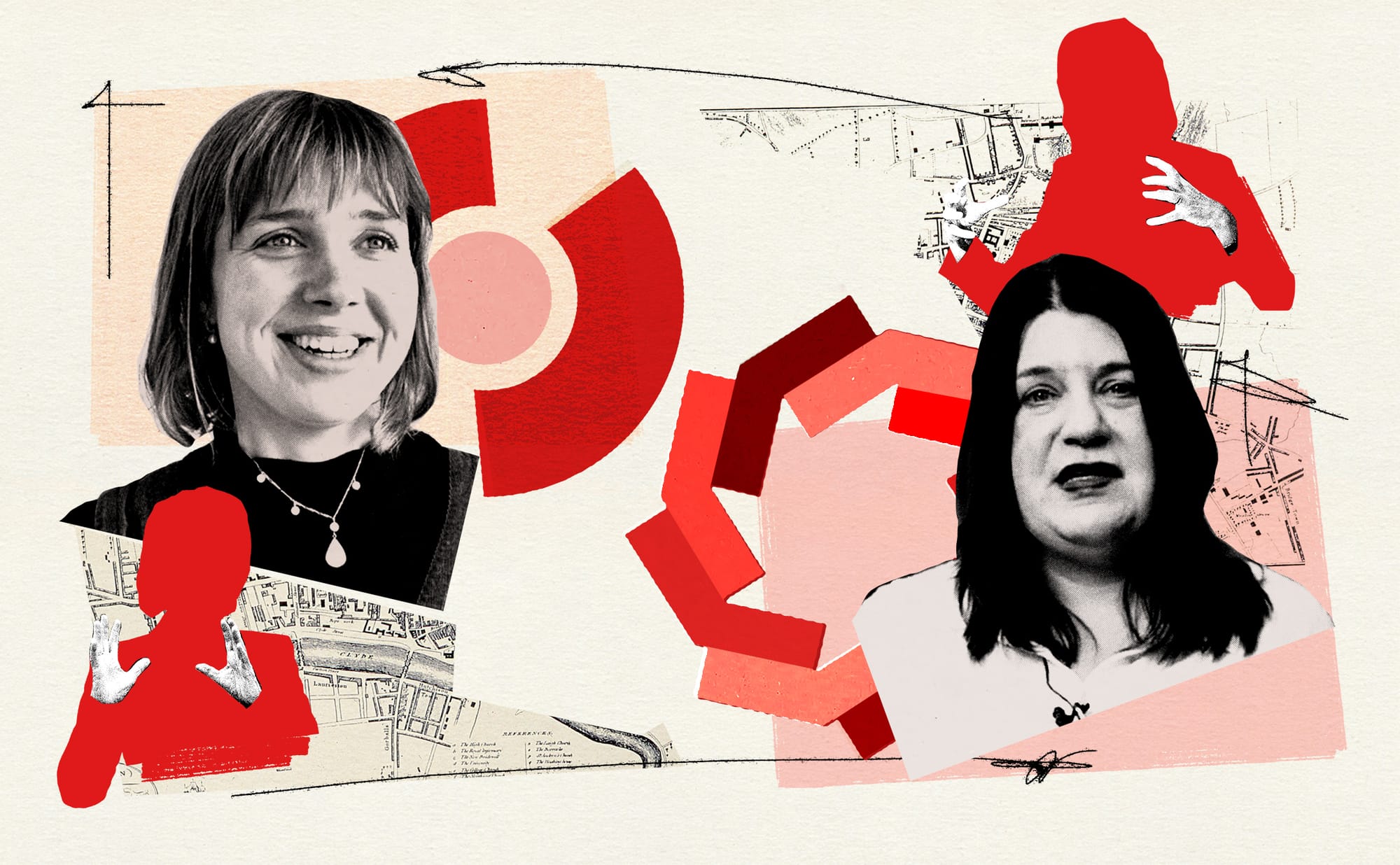
This is one we knew readers will have strong opinions on, so we decided to convene a debate. On one side, we have Cllr Susan Aitken — the leader of Glasgow City Council and chair of Glasgow City Region. In her piece, she makes the case for empowering the existing council structures. Putting a mayor in the mix would bring added bureaucracy, but little economic benefit, she believes.
On the other side, we have Caitlin Rollison, from the think tank Centre for Cities (CfC). Last month, CfC published a report about Glasgow, arguing that “more substantive powers and funding must be matched by stronger leadership”. In her piece, she sets out why she thinks more powers without a mayor to exercise them would be such a problem.
We’re already reaching for the popcorn and watching the comments section. So let us know who has convinced you, vote in the poll, and keep the debate rolling. We’ll provide a round up in our next Monday briefing.
Glasgow deserves great journalism. You can help make it happen.
You’re halfway there, the rest of the story is behind this paywall. Join the Bell for full access to local news that matters, just £8.99 a month or annual deals with two months free.
SubscribeAlready have an account? Sign In