Job opportunity:
We're very excited to be hiring a new full time staff writer. If you, or someone you know, has what it takes to cover all aspects of Glasgow's ups and downs, mysterious corners and mainstream matters, apply to join one of the UK's most exciting media companies.
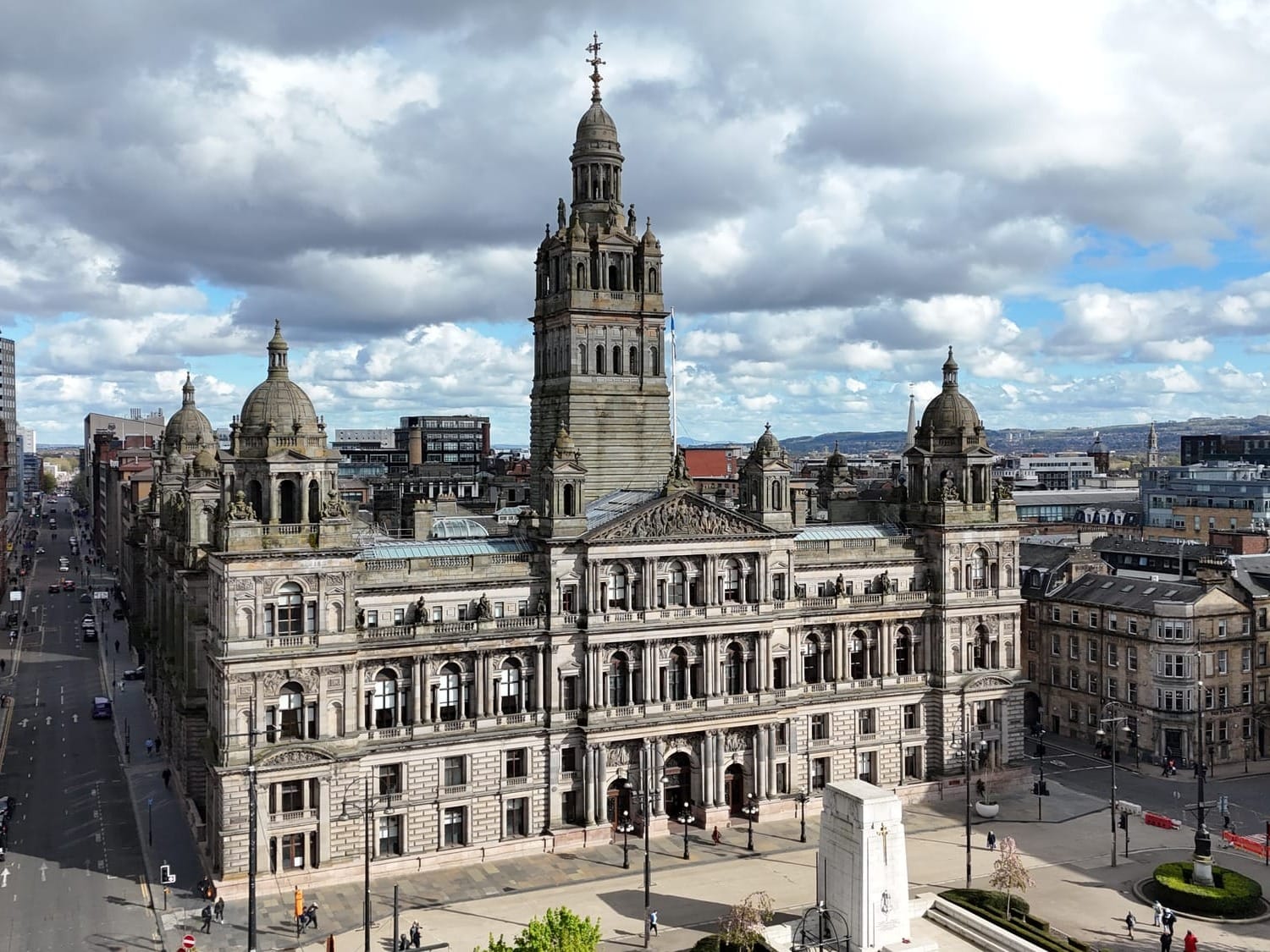
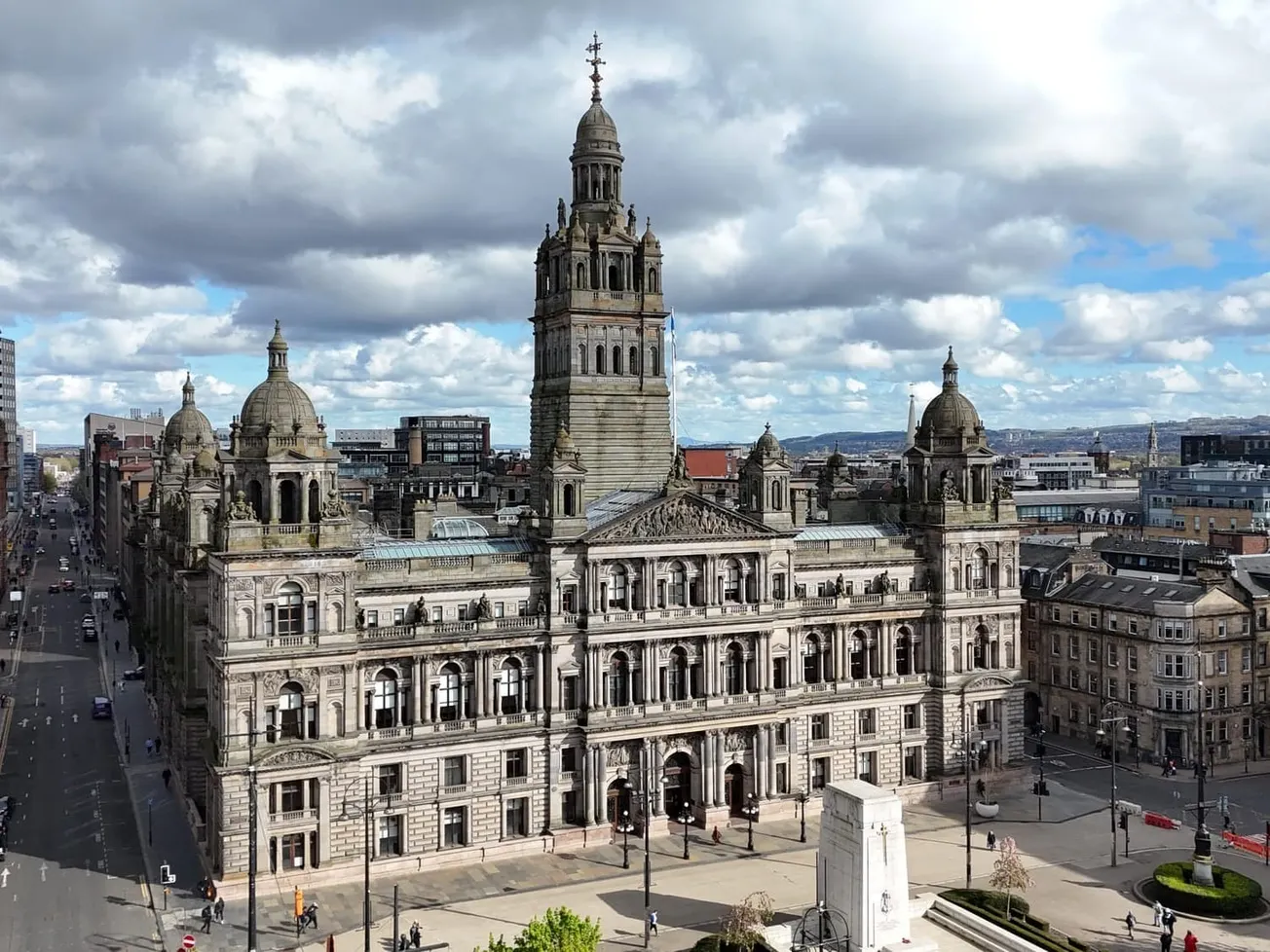
Council budget days rarely get the media attention of their Holyrood or Westminster big brothers and sisters. But macro-economic policies that appear in national budgets aren’t always easy to translate into day-to-day impacts on voters, whereas council budgets often are. So I set off to the City Chambers hoping to hear how the budget would impact Glaswegians’ pockets.
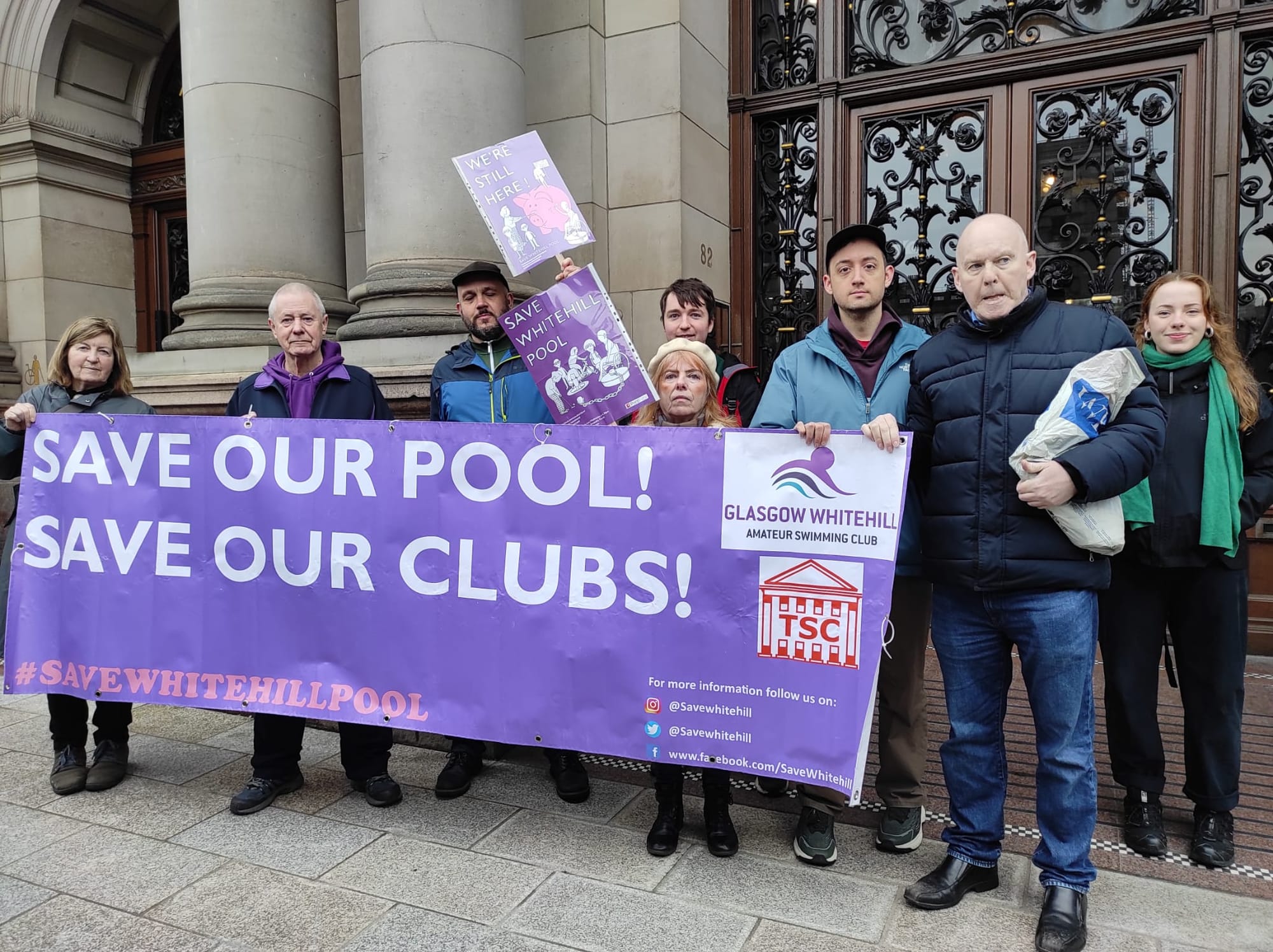
When I arrived at (probably) the most marbled building in Scotland an hour early, security and reception staff were somewhat on edge. They were expecting a “big turnout” of public protest, one security staff member told me. The tenants union Living Rent were planning on marching on the council to protest the removal of funding to renovate the shuttered Whitehill swimming pool. In reality, it was a cheery but small number who turned up with their familiar purple signs. I chatted to them, snapped the obligatory people-protest-outside-a-building picture, and went in through the side entrance.
Within the marble halls, councillors chit-chatted before making their way into the main chamber. This budget is coming three months before May’s Holyrood elections, in which many councillors will stand instead as MSP candidates, and just over a month after the Scottish Government’s budget. So councillors would be posturing, trying to assign blame and take credit, and explain how they’d go about plugging a £36 million-sized hole in the city finances. Council budgets have a legal duty to be balanced, and the £56 million that the SNP council is projected to spend on accommodating people experiencing homelessness threatened to ground any budget that couldn’t somehow find the money to balance the books. But the mood among SNP and Green councillors was light, as they’d struck a deal — and maybe some gold.
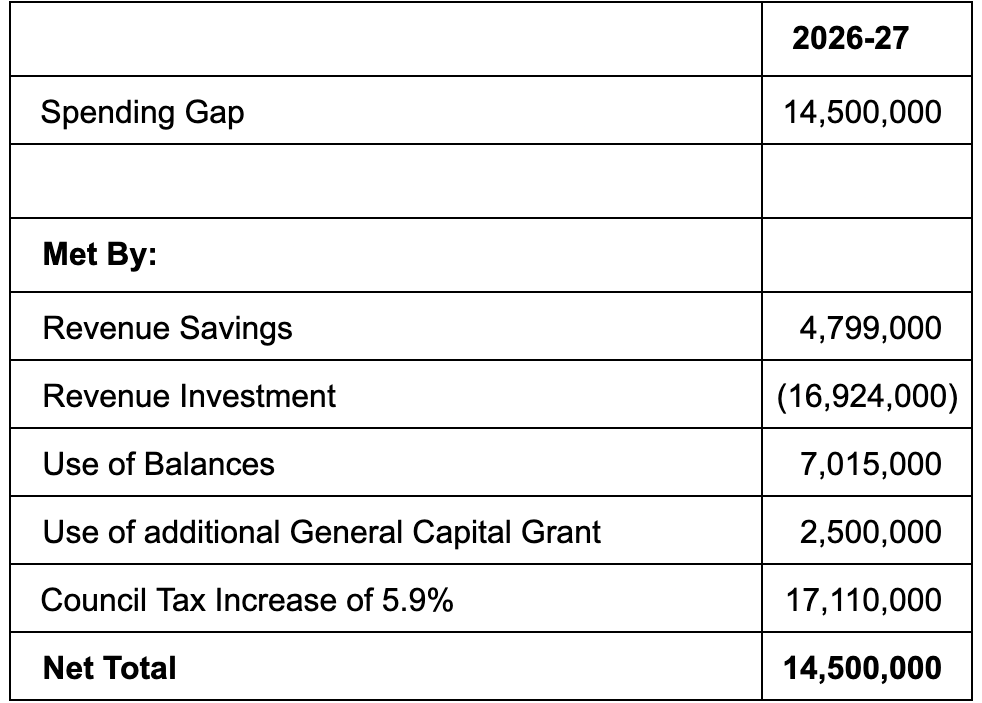
City treasurer and SNP councillor Ricky Bell called in favours from his party in Holyrood to allow “accounting flexibility” over how the council uses its capital budget. Usually it wouldn’t be able to use this budget to pay for the cost of borrowing money. But, with a current £36 million funding gap (which the SNP say is largely down to last year’s £38 million spend on homeless services), borrow they must. So, the Scottish government made an exception that allows the council to use its capital budget for this very purpose. Ricky Bell was even able to convince Holyrood to stump up a £2.5 million grant to help further boost their books. Speaking to me before dashing to grab a lunchtime kebab, leader of the Glasgow Greens group Jon Molyneux said that this deal was the only reason that Glasgow’s SNP and Greens were able to reach an agreement on yesterday’s budget, which led to it passing by 16 votes.
Financial sleight of hand regarding the capital budget may be celebrated by some, but Labour councillor Catherine Vallis, who presented her first budget yesterday before it fell to the SNP and Green’s, told me of her concerns that a £7 million sum taken from city reserves to help plug this year’s spending gap isn’t getting enough attention. As of March 2024, Glasgow sat at a lowly 28th out of 32 Scottish local authorities when it comes to the health of its financial reserves, which are unrestricted funds used in emergencies such as political crises and shutdowns. Glasgow City Council’s target is for its reserves to be above a “prudent” 2% of its annual spending. The 2026 figure isn’t yet confirmed, but current reserves are believed to be around 1.6%. After dipping his hand into the council’s cookie jar, Bell has reduced those reserves even further. Vallis referenced Birmingham council’s bankruptcy as a cautionary tale, and said that “one disaster could bankrupt Glasgow because sensible application of fiscal rules… are not being adhered to by the SNP”.
And so, the overview of the budget’s balance sheet is as follows. They’ve got the spending gap down to a projected £14.5 million, thanks to support from the Scottish government, dipping into the city’s dwindling reserves, and increasing council tax. Something that all opposition parties agree on is that the “sticking plaster” on the council finances will be ripped off next year without long term fixes. They argue that, while this year’s budget is balanced, with homeless spending projected to rise above £70 million in 2026/2027, the Scot Gov support to allow capital budgets to be spent on servicing loans taken to pay for homeless services isn’t a long term solution. On top of that, half of the cash used to plug this year’s gap is being taken from Glasgow’s rainy day fund.
How will this affect me?
One of the most quickly felt impacts of the budget will be the council tax increase. From April, band Ds (the middle of the range) will increase from £1,611 per year to £1,706. Although, the rise is a lot steeper for second and empty homes. This tax, already at 100%, will double, meaning that a second or empty home will cost three times as much as standard council tax.

Hi, thanks for reading. We're Robbie and Calum, and we run The Bell. Today's story required chatting to politicians and sitting through a long council meeting. Unenviable tasks we're sure you'll agree. But Calum loved doing it, and Robbie hangs his hat on this kind of on-the-ground reporting. It's how we're able to squeeze so much life and local insight into our pieces - especially our Monday briefings, which you can read for free by signing up to our free mailing list.
No ads, no gimmicks: just click the button below and get our unique brand of local journalism straight to your inbox.
Glasgow deserves great journalism. You can help make it happen.
You’re halfway there, the rest of the story is behind this paywall. Join the Bell for full access to local news that matters, just £8.99 a month or annual deals with two months free.
SubscribeAlready have an account? Sign In